Kuwait introduces electronic system to detect salary manipulation and protect workers
New monitoring mechanism to flag companies withdrawing workers’ wages after deposit; automated penalties planned for violations
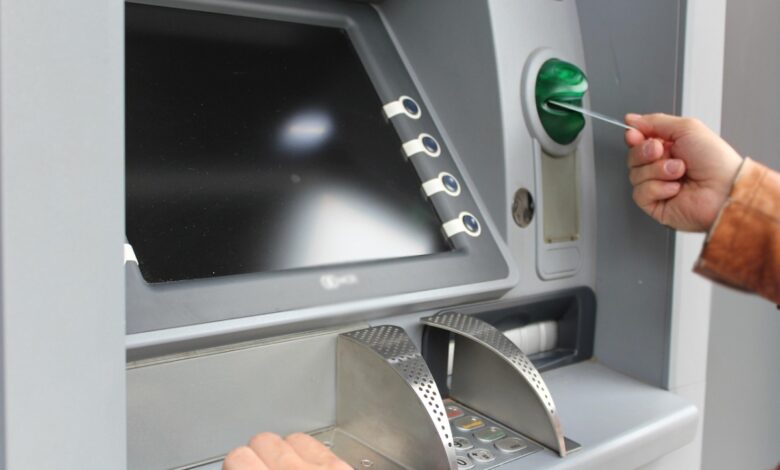
Kuwait is preparing to introduce a new electronic monitoring mechanism to ensure workers receive their salaries in full, with authorities seeking to detect companies that withdraw wages from employees’ bank cards after depositing them.
The Public Authority for Manpower (PAM), in coordination with the Central Bank of Kuwait, is developing the mechanism to strengthen oversight of salary payments and close loopholes allegedly exploited by some companies to circumvent labour regulations, according to a report published by Al Rai.
Under the proposed system, authorities will be able to automatically identify cases in which salaries are deposited into workers’ accounts and subsequently withdrawn, potentially exposing practices in which employees are forced to return their wages, or part of them, to their employers.
The new mechanism aims to verify that workers actually receive and retain their contractual wages, rather than merely confirming that employers have completed the formal process of transferring salaries through banks.
Sources cited by Al Rai said the system would also help identify cases in which workers are compelled to withdraw their salaries personally and hand the money back to their companies, practices that undermine wage protections and leave vulnerable employees exposed to exploitation.
Violations detected through the system, or reported by workers, are expected to trigger automated enforcement measures, with the cases referred to the relevant authorities for further action.
Eight-step electronic verification process
According to a recent PAM report, the electronic wage-monitoring system comprises eight stages, beginning with an employer submitting a salary payment request and ending with the electronic transmission of payment results to the authority.
The process includes receiving and processing wage requests, collecting salary data, verifying the information against registered workers, approving the data, executing payments and transmitting the final results electronically to PAM.
The integrated process is intended to improve transparency, strengthen compliance and enable authorities to identify discrepancies between declared salary payments and the wages workers actually receive.
Sharp rise in salary compliance submissions
Figures cited in the report show that companies submitted 93,865 wage-compliance requests between January and September 2026, compared with 31,757 during the same period in 2025, marking an increase of 195.6 percent.
The increase highlights the growing volume of salary-related submissions processed through the monitoring framework as Kuwait strengthens oversight of employment practices.
The planned mechanism forms part of broader efforts to regulate the labour market, protect expatriate workers and ensure employers meet their contractual obligations.
By linking electronic wage records with automated monitoring, the authorities aim to make salary manipulation easier to detect and strengthen accountability for companies that exploit workers or circumvent established payment rules.