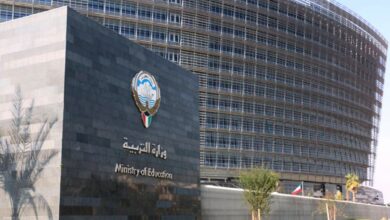
Kuwait Media Law tightens rules, sets 15 content standards and new licensing rules
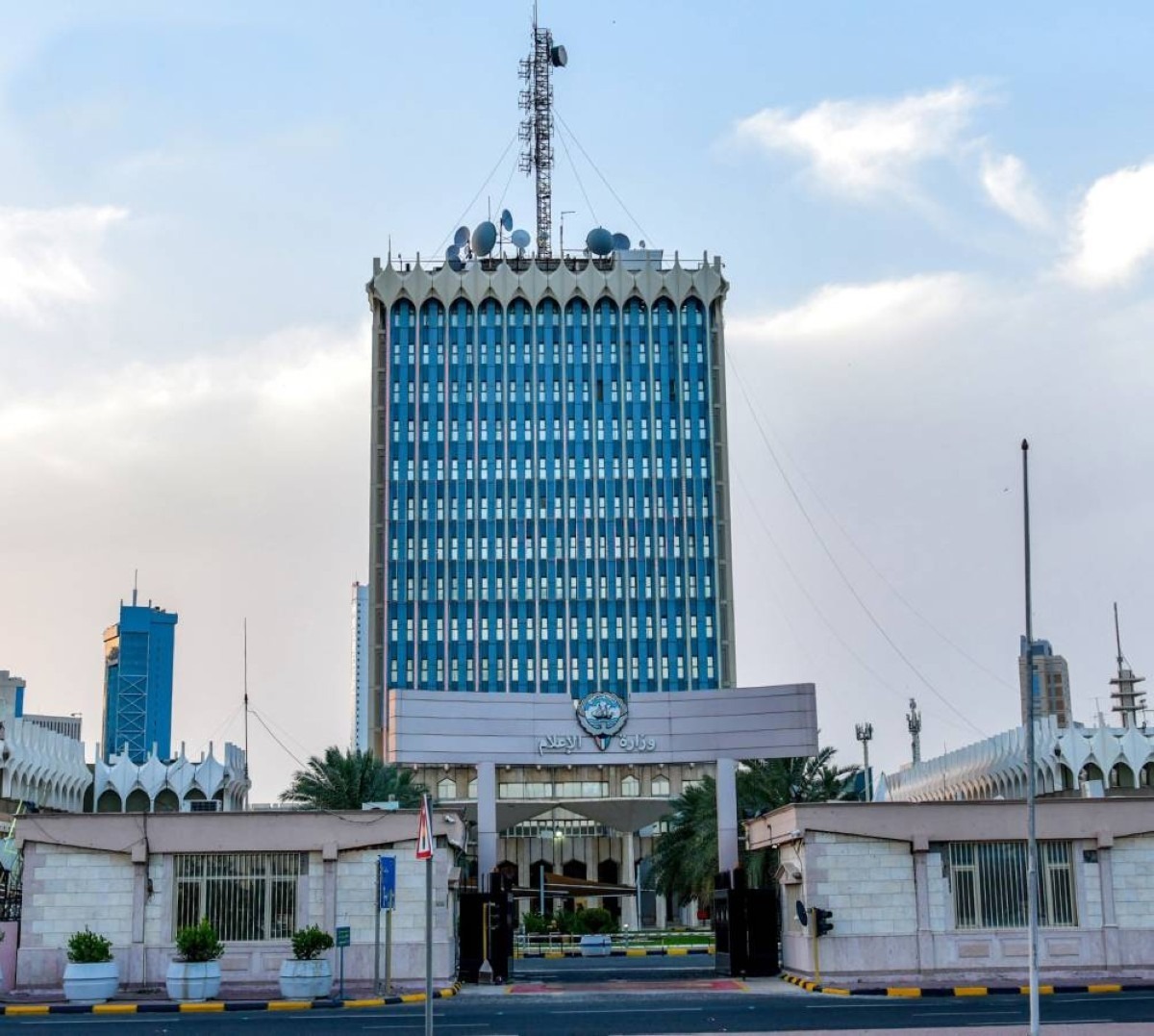
Kuwait’s new Media Law establishes a unified professional framework for media activities, setting out licensing requirements, professional obligations, content standards and mechanisms for response, correction and refutation.
Chapter Three of the law, covering Articles 15, 16 and 17, regulates the obligations of licensees and establishes unified standards for media content. It also guarantees the right of relevant authorities and stakeholders to respond, correct or refute published material without charge.
Article 17 sets out 15 standards that licensed media outlets must follow, covering religious and national values, public order and morals, individual and child privacy, accuracy and the prohibition of false or misleading information, reports Al-
rai daily.
The law prohibits content that offends the Divine Being, the Holy Quran, the Companions, Islamic principles or heavenly religions and religious beliefs. It also prohibits criticism, insult, ridicule or abuse of the country’s ruler. Media outlets may not attribute statements or actions to the Amir or the Crown Prince without special written permission from the Amiri Diwan or the Crown Prince’s Diwan.
The standards also require respect for the system of government and prohibit calls for or incitement to overthrow it by force or other illegitimate means. Media content must not harm Kuwait’s foreign relations, offend other countries or their leaders, or conflict with the state’s higher interests.
The law further prohibits incitement to sectarian, religious or tribal strife, violence, hatred or terrorism, as well as calls to join terrorist groups or promote their ideas. It also prohibits content that violates public morals or encourages illegal activities. Media outlets must respect individual privacy and must not defame or abuse people’s dignity, beliefs, financial circumstances or reputation. Content exposing children to exploitation, abuse or violations of their privacy is also prohibited.
The law prohibits publishing or circulating content that encourages or promotes crimes, including drug use or trafficking, gambling, arms and explosives trafficking, and human trafficking. Accuracy is also explicitly required. Media outlets must not publish, broadcast or circulate false or misleading news or data, rumors, forged documents or incorrect information that could harm the public interest or public order or cause panic.
Other restrictions cover content that harms the value of the national currency or undermines confidence in the national economy; confidential official communications, agreements and treaties before their official announcement; and works or parts of works previously prohibited from publication or circulation. The executive regulations may also specify additional criteria.
Under Article 16, editors-in-chief and their deputies, channel directors and their deputies, and directors responsible for electronic media outlets must publish responses, corrections or denials received from competent ministries, government bodies or individuals whose names or references appear in published or broadcast material.
Such responses, corrections or denials must be published on the date specified by the concerned authority or person and in the same place, manner, style, language, type and size of lettering, and for the same duration as the original material. The publication must be made without charge.
Violations of the media content standards constitute administrative violations subject to the penalties set out under Article 61. The law provides for graduated administrative penalties according to the seriousness of the violation. However, administrative penalties do not prevent criminal accountability where the content itself constitutes an offence punishable under another law.
Chapter Two, covering Articles 4 to 14, regulates media activities and licensing. It defines the activities covered by the law, establishes licensing requirements and procedures, and sets out the duration and grounds for cancellation of licences, while providing for appeals and judicial redress.
Article 7 requires a decision on a licence application within 60 days of submission, provided all requirements are met. If no decision is issued within that period, the application is considered accepted. The law allows natural persons, either individually or through a sole proprietorship, to obtain media activity licences, except for paper newspapers and satellite radio and television channels, which are restricted to companies and investment entities subject to the conditions specified by the law.
Licence may generally only be cancelled by a final court ruling or at the request of the licensee, except in specified cases. The law also provides for an electronic platform for licence registration and prohibits the leasing, sale or assignment of licences without prior approval from the competent ministry.
Licences are cancelled by operation of law in eight specified cases, including failure to begin the licensed activity within six months, loss of required licensing conditions, failure to appoint a qualified replacement for certain key positions, leasing of a licence, unauthorised sale or assignment, expiry of the legal personality of a licensee, prolonged suspension of the activity and failure to submit a renewal application within three months of licence expiry.
In other cases, cancellation of a media activity licence requires a final court ruling or a written request from the licensee.