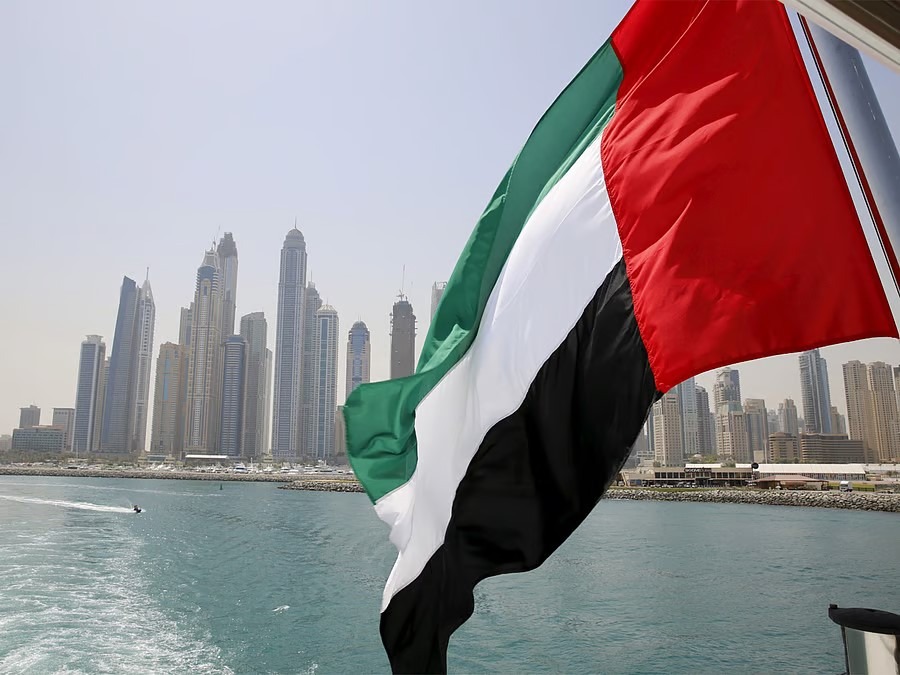
Tensions in the Gulf have surged once again after the United Arab Emirates announced it had intercepted 15 missiles and four drones launched from Iran, warning that it reserves the right to respond to what it described as “treacherous” attacks.
The strikes mark the first reported targeting of the UAE since a ceasefire agreement between Iran and the United States on April 8.
UAE authorities said one drone strike triggered a large fire at the Fujairah Petroleum Industries Zone and injured three Indian nationals.
Officials also reported that an empty crude oil tanker linked to a state-owned company was attacked while transiting the Strait of Hormuz. Tehran has denied any involvement in the incidents.
Regional reactions were swift and strongly worded. Saudi Arabia condemned the targeting of civilian and economic facilities and reaffirmed its full support for the UAE’s sovereignty and security, urging Iran to halt further attacks.
Kuwait denounced the attacks as a direct threat to maritime navigation and a breach of international principles governing freedom of passage, warning of risks to global supply chains.
Qatar described the strikes as a blatant violation of sovereignty and a serious threat to regional stability, expressing full solidarity with the UAE.
Bahrain labeled the strikes a dangerous escalation and called on the United Nations Security Council to take firm and deterrent action.
Beyond the Gulf, Jordan reaffirmed its “absolute solidarity” with the UAE, with Foreign Minister Ayman Safadi warning that the attacks violate international law and threaten regional security.
In Europe, Friedrich Merz called on Iran to return to negotiations and end disruptions in the Strait of Hormuz, while Emmanuel Macron described the strikes as unjustified and pledged continued support for regional allies, Al-Jazeera reports.
Western allies also voiced strong condemnation. Canada, under Prime Minister Mark Carney, denounced the attacks and called for de-escalation, while United Kingdom Prime Minister Keir Starmer urged Iran to engage in meaningful dialogue to preserve the ceasefire and prevent further escalation.
At the multilateral level, the Gulf Cooperation Council condemned the attacks as a threat to maritime security, while the European Union, represented by Ursula von der Leyen, described them as a clear violation of international law.
Both blocs emphasized the urgent need for de-escalation, warning that continued instability in the Gulf could have far-reaching global consequences.