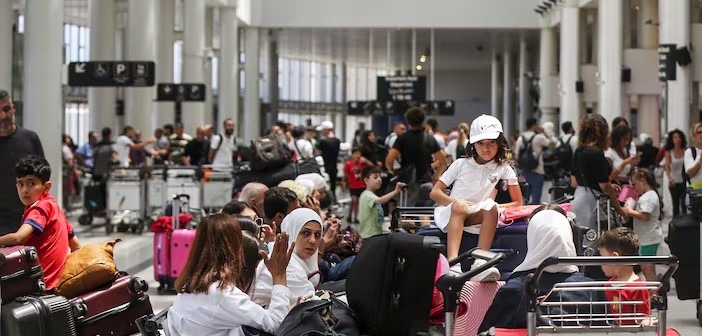
Behind the dazzling digital displays the global aviation industry is grappling with a deeper imbalance where demand for travel is rapidly outpacing available supply.
In Kuwait, the impact is particularly pronounced. The aviation sector in Kuwait is still operating below full capacity, with seat availability yet to recover to previous levels.
This shortage has intensified competition for tickets, driving prices to record highs. At the same time, fuel costs, accounting for nearly 40 percent of airline operating expenses, continue to surge, placing additional financial pressure on both carriers and passengers.
Industry officials, including Mohammed Al-Mutairi, attribute rising fares primarily to limited seat capacity and high fuel prices, noting that a return to full airport operations could gradually ease costs.
Similarly, Abdulrahman Al-Kharafi highlighted that restricted airline activity, currently limited to Kuwait Airways and Jazeera Airways, has reduced both flight availability and booking flexibility.
Globally, the International Air Transport Association warns that fuel shortages could spread across continents, potentially leading to flight cancellations during peak travel months.
With major airlines expected to pass rising costs onto passengers and travelers shifting toward shorter, regional trips, the 2026 summer season is shaping up to be one of uncertainty, where flexibility, early planning, and realistic expectations will be essential.
Airline tickets have become more than just a purchase, they now reflect mounting structural pressures within the sector, highlighting the widening gap between travelers’ aspirations and operational capacity.
As the summer travel season approaches, concerns are growing over a potential jet fuel shortage linked to disruptions in the Strait of Hormuz.
Any closure of this vital route could trigger widespread logistical and financial challenges, forcing airlines to reduce flights and push ticket prices even higher, with significant implications for global travel flows.
Ongoing regional tensions have already cast uncertainty over holiday plans, leaving millions of travelers facing limited options and rising costs. Airlines are struggling with operational constraints, while passengers are increasingly confronted with fewer available seats and sharply higher fares.