- A US-sanctioned tanker successfully passed through the Strait of Hormuz despite the American naval blockade, exposing potential gaps in enforcement.
- The United States has deployed a large naval force with authority to intercept and board vessels, significantly escalating military pressure in the region.
- Despite rising tensions, the US and Iran are moving toward a possible second round of talks, indicating parallel diplomatic efforts to avoid renewed conflict.
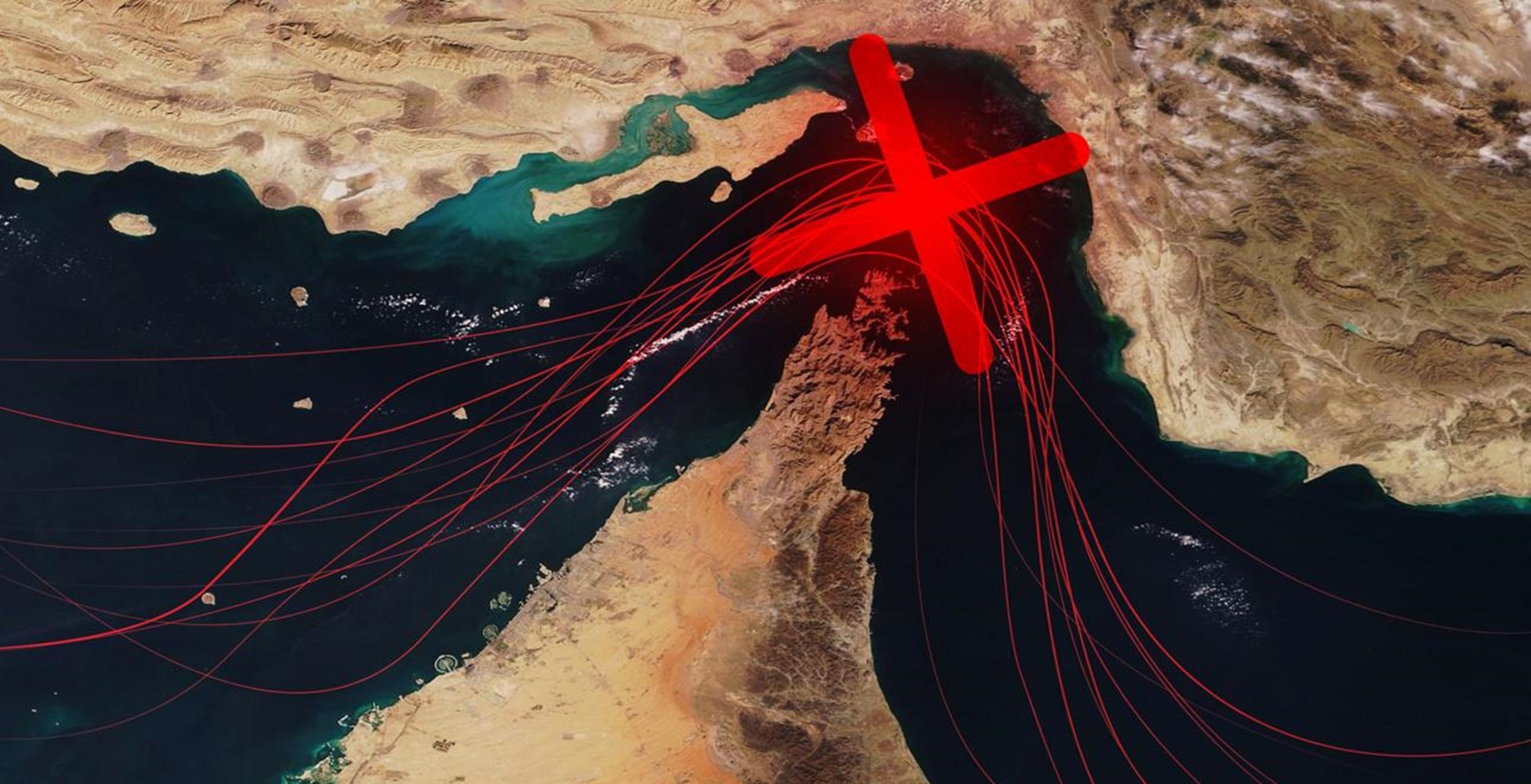
In a significant development with both military and diplomatic implications, US-sanctioned oil tankers have managed to transit the Strait of Hormuz despite an ongoing American naval blockade, raising questions about enforcement effectiveness even as Washington and Tehran cautiously edge back toward negotiations.
According to Reuters, a Chinese-linked tanker named Rich Starry, previously sanctioned by the United States, successfully passed through the Strait of Hormuz, becoming the first known vessel to exit the Gulf since the blockade began, Al-Jazeera reports.
Shipping data from firms including LSEG, MarineTraffic, and Kpler confirmed the vessel’s movement. The tanker is owned by Shanghai Xuanrun Shipping Co Ltd, which had been sanctioned for dealings involving Iranian oil.
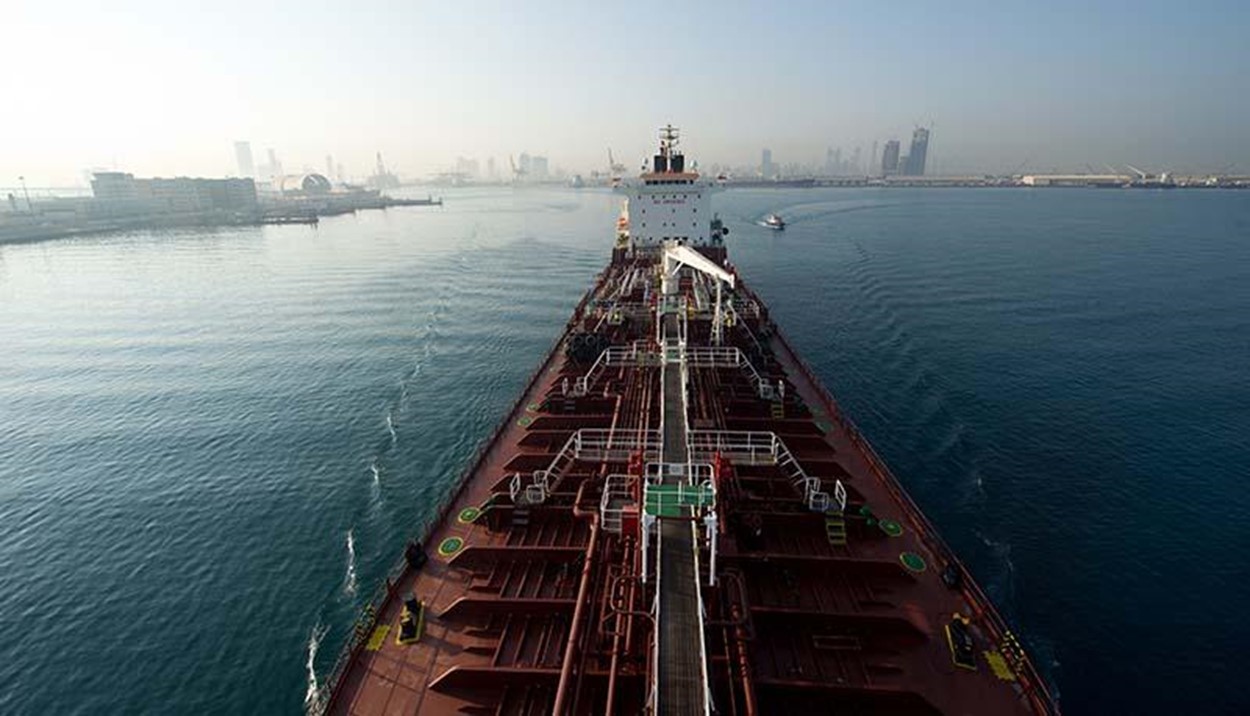
The Rich Starry reportedly loaded its cargo at Hamriyah port in the United Arab Emirates, before navigating the strategic chokepoint.
A second sanctioned vessel, Murlikishan, formerly known as MKA, is also en route to the Strait and expected to load crude oil in Iraq on April 16. The tanker has a history of transporting both Russian and Iranian oil.
The United States has deployed more than 15 warships around the Strait of Hormuz as part of its enforcement strategy. The plan includes intercepting and boarding vessels linked to Iran, potentially through “contested boarding” operations involving elite naval units.

This tactic mirrors previous US operations in other regions, including maritime enforcement actions linked to Venezuela.
However, the successful passage of at least one sanctioned tanker suggests that the blockade may face operational gaps, particularly in the early stages of implementation.
While military activity escalates, diplomatic efforts appear to be regaining momentum.
Officials from Pakistan have proposed hosting a second round of talks between the United States and Iran in Islamabad, following inconclusive negotiations over the weekend.
US Vice President JD Vance, who led the recent discussions, indicated that Washington is open to normalizing relations with Iran, provided Tehran abandons its nuclear weapons ambitions.
Reports suggest that both sides have moved beyond rigid positions, exchanging proposals on uranium enrichment limits. A US proposal for a 20-year moratorium was reportedly countered by Iran with a five-year term, highlighting a narrowing, though still significant, gap.
With a fragile ceasefire set to expire within days, both sides appear motivated to avoid renewed conflict. According to Associated Press, discussions are ongoing through mediators, with countries such as Pakistan, Turkiye, and Egypt playing active roles.
Sources indicate that a second round of talks could take place as early as Thursday, with Islamabad and Geneva both under consideration as host venues.
Despite the breakdown of initial talks, continued backchannel communication and “forward motion” toward an agreement suggest that both Washington and Tehran are seeking a diplomatic off-ramp.
The situation underscores a complex dual-track strategy: intensified military pressure alongside renewed diplomatic outreach.
While the blockade aims to choke off Iran’s oil revenues, early breaches highlight enforcement challenges. At the same time, evolving negotiations, supported by regional mediators, offer a potential pathway to de-escalation.
The coming days, particularly before the ceasefire deadline, are likely to prove decisive in determining whether the crisis deepens or diplomacy prevails.