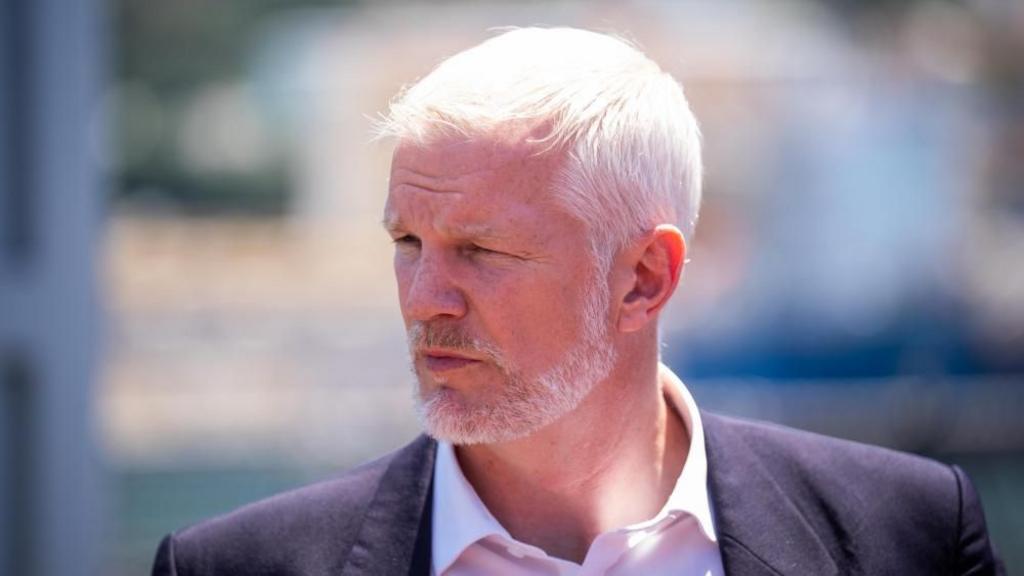
Britain’s political and defence crisis deepened after Armed Forces Minister Al Carns resigned just hours following the departure of Defence Secretary John Healey, intensifying pressure on Prime Minister Keir Starmer over military spending plans.
In his resignation letter to Starmer, Carns warned that Britain’s Armed Forces were being expected to operate “in a more dangerous world on a budget written for a calmer one,” signaling growing frustration within the government over defence funding levels.
The resignation came shortly after Healey stepped down from his position, citing concerns that the government’s upcoming Defence Investment Plan failed to provide the resources needed to address rising global security threats.
Earlier, Healey told the Prime Minister that the proposed investment strategy “falls well short of what is required for defence and the country at this dangerous time,” in a strongly worded resignation letter that highlighted tensions between the Ministry of Defence and the Treasury.
Prime Minister Starmer defended his administration’s approach, insisting that planned increases in military spending would “keep the country safe” and reaffirming his commitment to boosting defence budgets in the coming years.
Before Carns’ resignation, Pamela Nash also resigned from her role as Parliamentary Private Secretary at the Ministry of Defence, adding to the mounting political turmoil surrounding the government’s defence strategy.
In media interviews shortly before stepping down, Carns openly questioned whether the government’s financial commitments matched the scale of current security challenges.
Speaking to British media outlets, he said the UK should explore “every model possible” to secure adequate funding for defence and national security, while stressing the need for a more transformative and sustainable investment plan, according to BBC.
Although Carns had indicated earlier that he would “consider” his position once the final defence spending framework was presented, his resignation came unexpectedly soon after those remarks.
The dual resignations have fuelled further scrutiny of Starmer’s leadership as his government faces increasing criticism over defence readiness, public spending priorities, and internal divisions within the Labour Party.