The resolve that defied occupation
From invasion to liberation, the extraordinary story of a nation’s courage, unity and unbreakable spirit
The Times Kuwait Report
At dawn on August 2, 1990, the State of Kuwait awoke to one of the darkest chapters in its modern history. In the silence before sunrise, Iraqi forces crossed Kuwait’s borders in a full-scale invasion that violated international law, shattered regional stability and plunged the Gulf into an unprecedented crisis.
What unfolded over the next seven months would forever change Kuwait. Yet from the devastation emerged a story that continues to inspire generations—not one of defeat, but of resilience, sacrifice, unity and an unshakable belief that freedom would ultimately prevail.
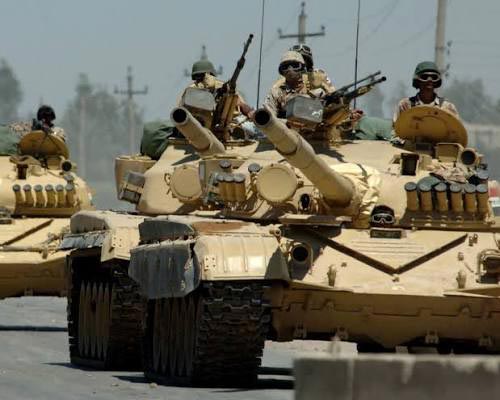
Within hours, thousands of Iraqi troops, supported by tanks, armored vehicles and aircraft, swept across the country, overwhelming border defenses and rapidly seizing strategic locations. Government ministries, airports, ports and communication centers became immediate targets as the invasion unfolded with overwhelming force.
The assault claimed the lives of soldiers, police officers and civilians who stood in defense of their homeland. Many Kuwaitis made the ultimate sacrifice resisting the invading forces, while others risked everything to protect their families, neighbors and fellow citizens during the chaotic first hours of the occupation.
Beyond its military objectives, the invasion represented a direct assault on Kuwait’s sovereignty, constitutional legitimacy and internationally recognized borders. Iraq’s attempt to erase Kuwait’s independence and annex the country was swiftly rejected by the international community, reaffirming that aggression could never be accepted as a means of altering the destiny of a sovereign nation.
While Iraqi forces sought to dismantle the state, Kuwait’s legitimate leadership ensured that the nation itself endured. His Highness the Amir Sheikh Jaber Al-Ahmad Al-Sabah and the government continued to represent Kuwait internationally, preserving constitutional legitimacy and rallying diplomatic support across the world. Their steadfast leadership ensured that Kuwait’s voice remained heard even while its territory remained under occupation.
Inside occupied Kuwait, however, another remarkable story was unfolding.
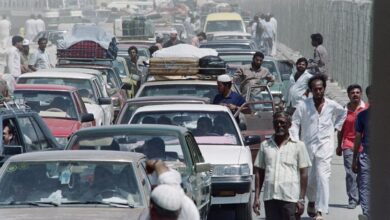
As fear spread across the country and daily life was upended, ordinary citizens became extraordinary patriots. Men and women from every walk of life formed one of the most determined civilian resistance movements in modern Gulf history. They distributed food and medicine, gathered intelligence, safeguarded public property and quietly helped one another despite the enormous personal risks.
Teachers became messengers. Students volunteered in underground networks. Doctors and nurses continued treating patients under extremely difficult circumstances, often with limited supplies. Families opened their homes to those fleeing danger, while countless Kuwaitis carried out acts of quiet defiance that would later become enduring symbols of national courage.
The occupation brought immense human suffering. Thousands of Kuwaitis were arrested, detained or forcibly disappeared. Many endured imprisonment and torture, while countless families spent months without knowing the fate of loved ones. The pain of the missing and the sacrifices of those who never returned remain deeply woven into Kuwait’s national memory.
Beyond the human tragedy, the country also endured widespread destruction. Homes, businesses, museums, hospitals, schools and government institutions suffered extensive damage as public and private property was looted or destroyed. Financial institutions ceased normal operations, commercial activity came to a standstill and essential public services were severely disrupted, bringing one of the Gulf’s most dynamic economies to an abrupt halt.

As the humanitarian crisis deepened, Kuwait’s plight galvanized the international community. The United Nations Security Council moved swiftly to condemn the invasion, impose sanctions on Iraq and demand the immediate and unconditional withdrawal of Iraqi forces. Countries across the world united in an unprecedented coalition to uphold international law and restore the sovereignty of an independent nation.
When diplomatic efforts failed, the coalition launched Operation Desert Storm, a military campaign that would ultimately pave the way for Kuwait’s liberation. Throughout the occupation, Kuwaiti diplomats, officials and citizens worked tirelessly across world capitals to ensure that the country’s cause remained firmly on the international agenda and that global support never wavered.
As coalition forces advanced in early 1991, retreating Iraqi troops embarked on a deliberate campaign of destruction. Hundreds of oil wells were set ablaze, creating one of the worst environmental disasters in modern history. Thick black smoke blanketed Kuwait’s skies for months, while vast oil lakes spread across the desert and millions of barrels of crude oil contaminated land and sea, leaving environmental scars that took years to heal.
Then, after nearly seven months of occupation, hope returned.
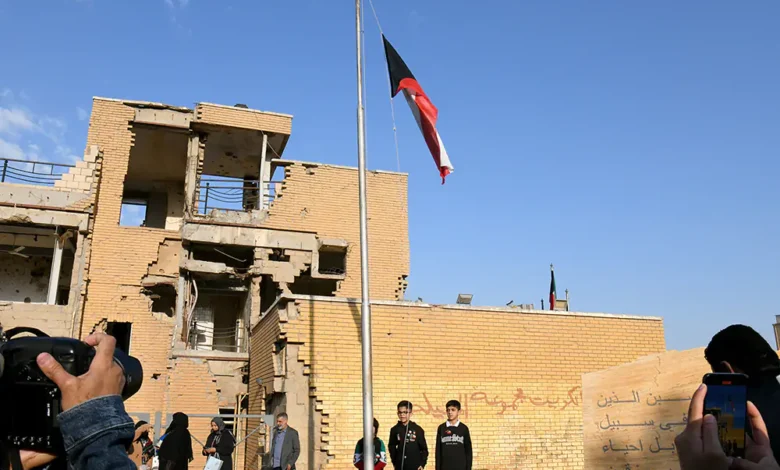
On February 26, 1991, Kuwait was liberated. The sight of the Kuwaiti flag once again flying freely across the nation became a powerful symbol of triumph over aggression and a moment of profound relief for a people who had endured months of hardship, uncertainty and loss.
Liberation marked not the end of Kuwait’s journey, but the beginning of an extraordinary national recovery.
Entire communities had to be rebuilt. Roads, schools, hospitals, ministries and essential infrastructure required restoration. Businesses gradually reopened, public services resumed and families began the difficult process of healing from the trauma of occupation. The resilience displayed during those challenging years became one of Kuwait’s defining national characteristics and a testament to the determination of its leadership and people.
The experience also reshaped Kuwait’s approach to national security, regional cooperation and international partnerships. The lessons of 1990 continue to influence the country’s strategic outlook and its commitment to collective security within the Gulf Cooperation Council and the wider international community.
Each year, Kuwait pauses to remember not only the tragedy of August 2, but also the extraordinary courage displayed by those who defended the nation, resisted occupation and sacrificed their lives for freedom. Their legacy continues to inspire new generations and remains deeply embedded in the country’s national identity.
The annual commemoration also honors the unwavering support of friendly and allied nations whose diplomatic, humanitarian and military contributions proved instrumental in restoring Kuwait’s sovereignty. Their solidarity demonstrated the strength of international cooperation in the face of unlawful aggression.
For younger generations who know the invasion only through history books, museums and the memories of their parents and grandparents, August 2 serves as a powerful reminder that peace, independence and constitutional legitimacy should never be taken for granted. It also stands as a lasting lesson that unity, resilience and international solidarity can overcome even the gravest of challenges.
Today, Kuwait stands as a modern, confident and forward-looking nation that transformed one of the greatest trials in its history into a source of enduring national strength. Its remarkable recovery reflects not only the vision of its leadership but also the resilience of its people and the steadfast support of the international community.
Thirty-six years after the invasion, the memory of August 2 continues to unite Kuwaitis across generations. It is remembered not simply as the day Iraq invaded Kuwait, but as the day the Kuwaiti people proved that while a nation can be occupied, its spirit can never be conquered. That spirit carried Kuwait through occupation, guided it to liberation and continues to shape the nation it is today.