Strategic reserves or costly gamble? Kuwait weighs oil storage abroad
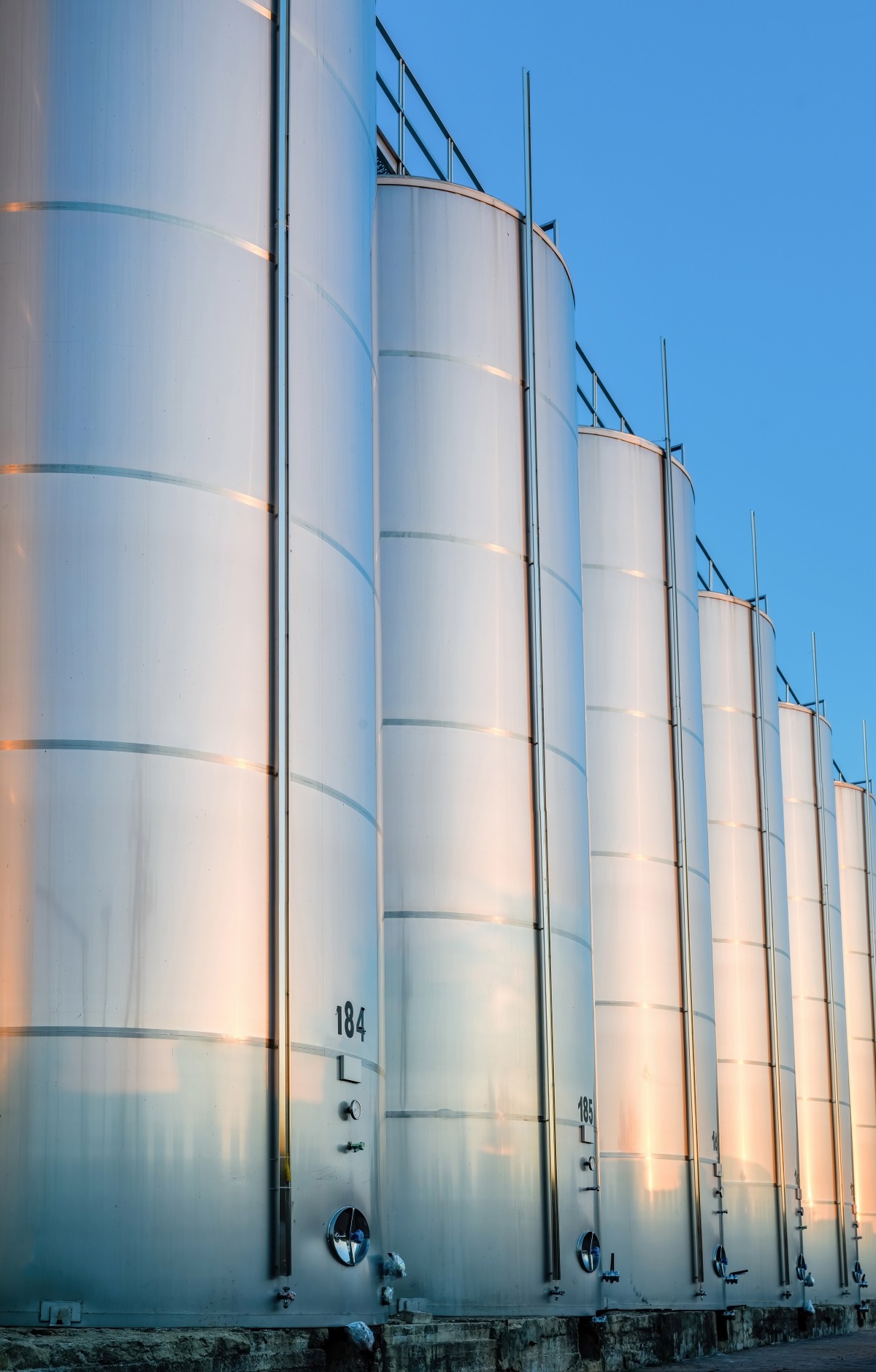
From time to time, a recurring strategic question resurfaces: what prevents oil-producing countries, particularly Kuwait, from significantly expanding their crude storage abroad alongside domestic reserves, in line with the principle that oil must be secured for times of crisis?
This question has gained renewed urgency amid escalating regional tensions following the outbreak of the American-Israeli war on Iran on February 28, especially with mounting risks surrounding the Strait of Hormuz, a vital artery through which nearly one-fifth of global oil supplies, or about 20 million barrels per day, transit.
In April 2025, the Kuwait Petroleum Corporation announced a two-year agreement with the Korea National Oil Corporation to store 4 million barrels of Kuwaiti crude, reports Al-Rai daily.
This follows earlier arrangements, including the storage of 3.1 million barrels in Japan in 2020. However, when compared to South Korea’s consumption, around 2.6 million barrels per day, the combined stored quantities represent less than three days of demand.
Storing oil abroad is not a new strategy. Kuwait experimented with overseas storage as early as 1995 in the Bahamas to position supplies closer to the US market and capitalize on price fluctuations.
In 2007, similar storage arrangements in South Korea were aimed at ensuring uninterrupted supply amid geopolitical uncertainty in the Gulf.
Other producers within OPEC have pursued comparable strategies. Saudi Arabia and the UAE have stored crude in Japan and South Korea, while Iran has relied on both onshore storage in Egypt and floating storage, using tankers to hold up to 35 million barrels, for emergency scenarios.
Despite these precedents, large-scale overseas storage remains limited due to a complex mix of economic and strategic considerations.
Five key factors typically determine feasibility:
- The objective (strategic vs. commercial)
- Volume of surplus production
- Storage costs
- Financing costs (interest rates)
- Price differentials between spot and future contracts
For commercial storage, profitability hinges on buying low and selling high in future markets. However, when the objective is strategic, ensuring supply security, financial returns become secondary.
During the 2020 oil market turmoil triggered by the pandemic and price war, land storage averaged around $0.50 per barrel, while floating storage reached $0.75. Today, amid geopolitical instability and expectations of oil prices potentially climbing toward $200 per barrel, these costs are likely to double.
Storage economics are further complicated by:
- Rising shipping and insurance costs
- Limited global storage capacity
- Higher interest rates increasing financing burdens
- Longer delivery times due to supply chain disruptions
When storage capacity nears its limits, reliance shifts to more expensive secondary facilities, further eroding feasibility.
Strategic storage can drive prices upward if countries aggressively build reserves for geopolitical reasons rather than market gains.
As inventories rise, oil price structures may shift, often leading to lower spot prices compared to future prices, encouraging storage. However, this advantage diminishes as costs escalate.
Most storage agreements grant host countries priority rights to purchase stored crude, especially during emergencies, typically at pre-agreed pricing mechanisms. This adds another layer of complexity for exporting nations weighing sovereignty over their resources.
Following the 1973 oil crisis, the United States established a massive strategic petroleum reserve, storing up to 800 million barrels in underground facilities across Texas and Louisiana. This buffer was designed to stabilize supply during disruptions and mitigate price shocks.
In contrast, Gulf producers, including Kuwait, have traditionally prioritized continuous production and export flows over building vast strategic reserves.
While storing oil abroad offers clear strategic and commercial advantages, it is not a straightforward decision. High costs, logistical challenges, market volatility, and geopolitical considerations all play decisive roles.
For Kuwait and other producers, the strategy remains a balancing act between securing energy resilience and maintaining economic efficiency.