Protecting vegetation cover key to reducing risks of dust storms, says EPA
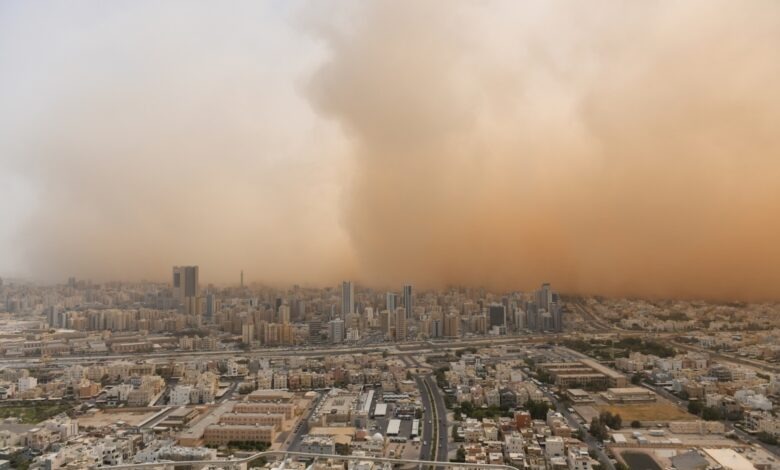
- Addressing sandstorms requires more than emergency responses during extreme weather events. Environmental protection measures are essential to improving air quality and reducing the frequency and severity of dust storms — Sheikha Al-Ibrahim, Director of Public Relations and Media at the EPA
- Afforestation remains one of the most effective scientific solutions as expanding green areas helps stabilize soil, reduce sand movement and limit the spread of airborne dust — Dr. Wafaa Behbehani, EPA member
Kuwait is intensifying efforts to reduce the impact of sand and dust storms by focusing on sustainable environmental practices, expanding vegetation cover and supporting initiatives aimed at combating desertification, according to the Environment Public Authority (EPA).
Sheikha Al-Ibrahim, Director of Public Relations and Media at the EPA, said addressing sandstorms requires more than emergency responses during extreme weather events. She stressed that long-term environmental protection measures are essential to improving air quality and reducing the frequency and severity of dust storms.

Speaking on the occasion of the World Day for Combating Sand and Dust Storms, Al-Ibrahim highlighted the importance of raising public awareness about the effects of dust storms on human health, ecosystems and overall environmental quality, particularly in desert regions.
She noted that Kuwait’s geographical location and desert environment make it naturally vulnerable to sand and dust storms throughout the year, requiring stronger cooperation among government agencies and greater public commitment to preventive measures.
The EPA continues to monitor air quality through a nationwide network of environmental monitoring stations, providing accurate data to support decision-making and help reduce the health and environmental consequences of dust storms.
The Authority also called for sustainable solutions to limit the impact of dust storms, warning that the phenomenon affects more than visibility by creating economic and social challenges, including risks to road users, disruptions to air and maritime transport, and negative impacts on agriculture, reports Al-Rai.
Dr. Wafaa Behbehani, a member of the association, emphasized that afforestation remains one of the most effective scientific solutions, as expanding green areas helps stabilize soil, reduce sand movement and limit the spread of airborne dust, supporting Kuwait’s wider goals of environmental sustainability and resource protection.