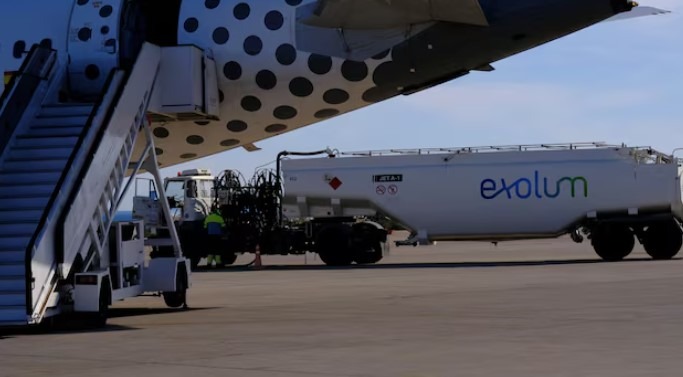
- Hormuz Risks Threaten Supplies: Renewed military conflict around the Strait of Hormuz—a route carrying about 20% of global seaborne oil and LNG—has heightened fears of fresh disruptions to Europe’s fuel imports.
- Supply Deficit Expected: Analysts forecast Europe could face a jet fuel deficit of nearly 600,000 barrels per day in the third quarter of 2026, while the United States and Asia-Pacific are expected to maintain fuel surpluses.
- Europe Diversifies Fuel Sources: To strengthen supplies, Europe has increased jet fuel imports from the United States, Nigeria, Canada, India, South Korea and Kuwait, with Kuwaiti shipments set to resume in August for the first time since March.
- Emergency Measures Under Consideration: The European Commission is prepared to coordinate the release of national fuel reserves if needed, while experts warn that any prolonged disruption in the Strait of Hormuz could significantly impact airlines, energy security and global trade.
Europe is facing mounting concerns over aviation fuel security, with jet fuel reserves falling to less than a month’s supply as renewed military tensions around the Strait of Hormuz threaten one of the world’s most critical energy corridors.
Despite increasing imports from North America, Asia and the Middle East, boosting refinery production and drawing on existing inventories, Europe remains more vulnerable than other major regions to potential supply disruptions, according to industry analysts.
The continent’s dependence stems largely from decades of refinery closures that have increased reliance on imported jet fuel, particularly shipments passing through the Strait of Hormuz, a vital maritime route that normally carries around one-fifth of global seaborne oil and liquefied natural gas.
Although the strategic waterway partially reopened following earlier disruptions, the latest exchange of military strikes has once again cast uncertainty over fuel supplies, raising fears of prolonged instability during the peak summer travel season.
Energy consultancy Energy Aspects estimates Europe could face a jet fuel supply deficit of nearly 600,000 barrels per day during the third quarter of 2026, while the United States and Asia-Pacific are expected to maintain comfortable surpluses.
At the beginning of June, Europe’s jet fuel inventories stood at approximately 38 million barrels, enough to cover less than 30 days of demand, significantly lower than the United States, where stockpiles exceeded 99 million barrels.
Analysts warn that even though refinery output has increased and inventories are higher than last year, supplies are expected to remain tight through August as seasonal travel demand reaches its annual peak.
Recognizing the growing challenge, the European Commission has indicated it is prepared to coordinate the release of national fuel reserves if necessary to stabilize supplies across member states.
To reduce dependence on the Gulf, Europe has diversified its import sources. In June, jet fuel imports climbed to their highest level since late 2025, with shipments arriving from the United States, Nigeria, Canada, India, South Korea and Kuwait.
Kuwait is also set to resume deliveries to Europe, with approximately 25,000 barrels per day scheduled to arrive in August—the first such shipments since early March. Before regional disruptions interrupted trade, Kuwait ranked among Europe’s leading suppliers of aviation fuel.
European refiners have also stepped up domestic production. Italy, for example, increased jet fuel output by around 10 percent during the first four months of the year, reducing dependence on imports and enabling local production to meet nearly 70 percent of domestic demand.
Meanwhile, aviation fuel prices in northwest Europe have eased considerably from the record highs recorded in March, offering airlines some relief after months of soaring operating costs.
However, industry experts say passengers are unlikely to see immediate reductions in airfares, as strong travel demand and limited flight capacity continue to keep ticket prices elevated.
While Europe has so far managed to avoid a severe supply shortfall, analysts caution that any prolonged disruption in the Strait of Hormuz could rapidly tighten global fuel markets, posing fresh challenges for airlines, energy security and international trade.