Philippine textile heritage comes alive at Sadu House
Exhibition highlights Yakan, piña and Inawl textiles and celebrates centuries-old craftsmanship
The Times Kuwait Report
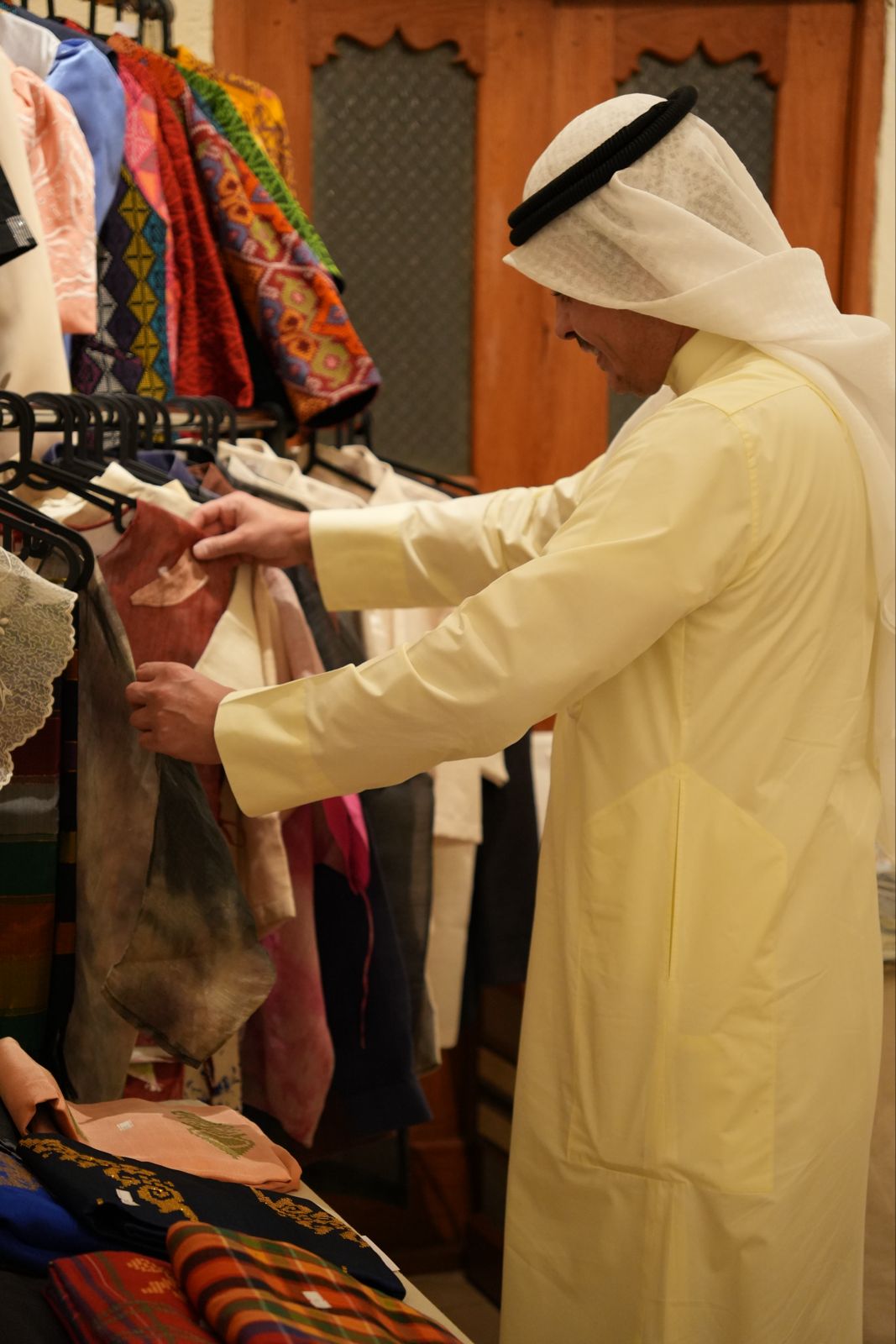
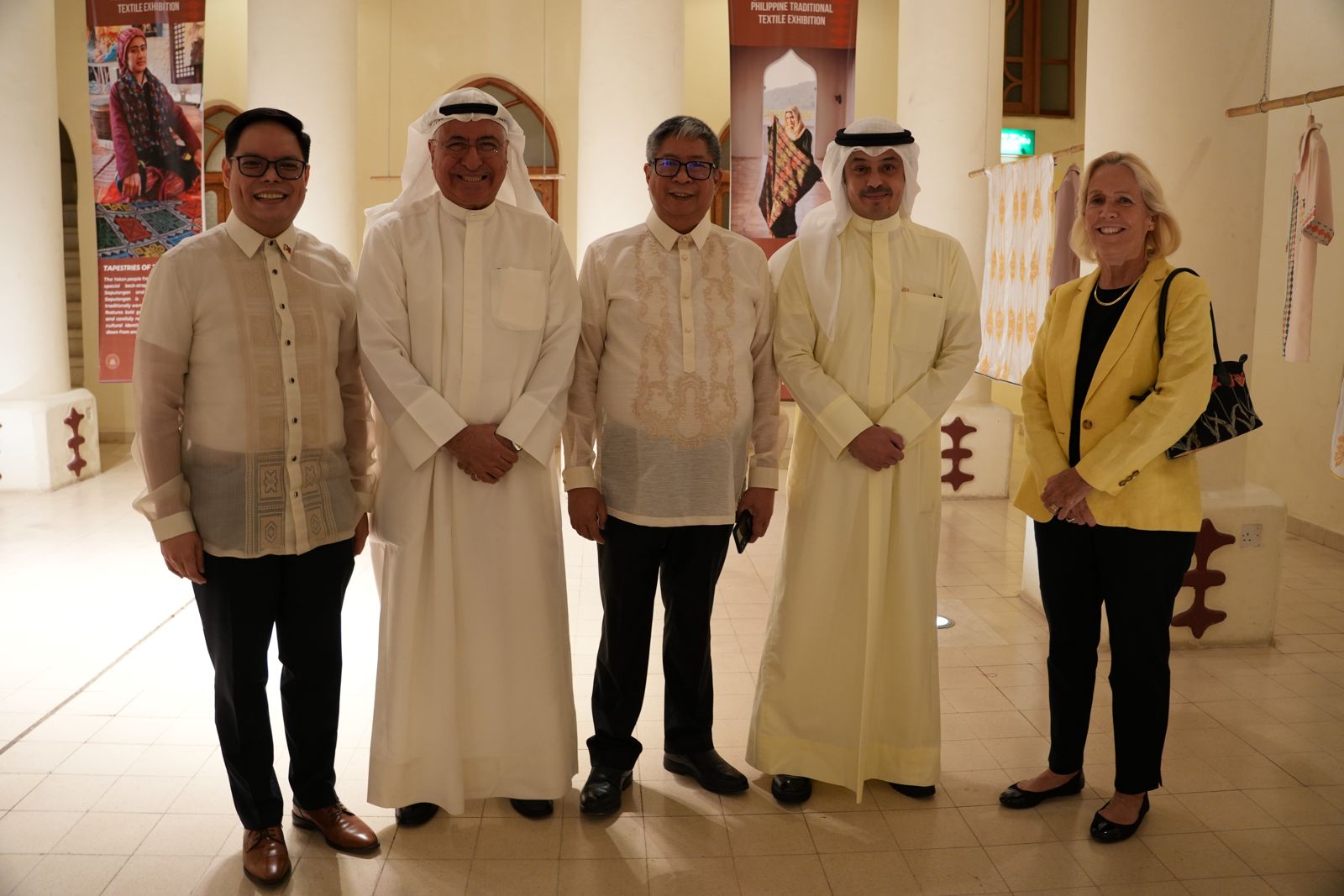
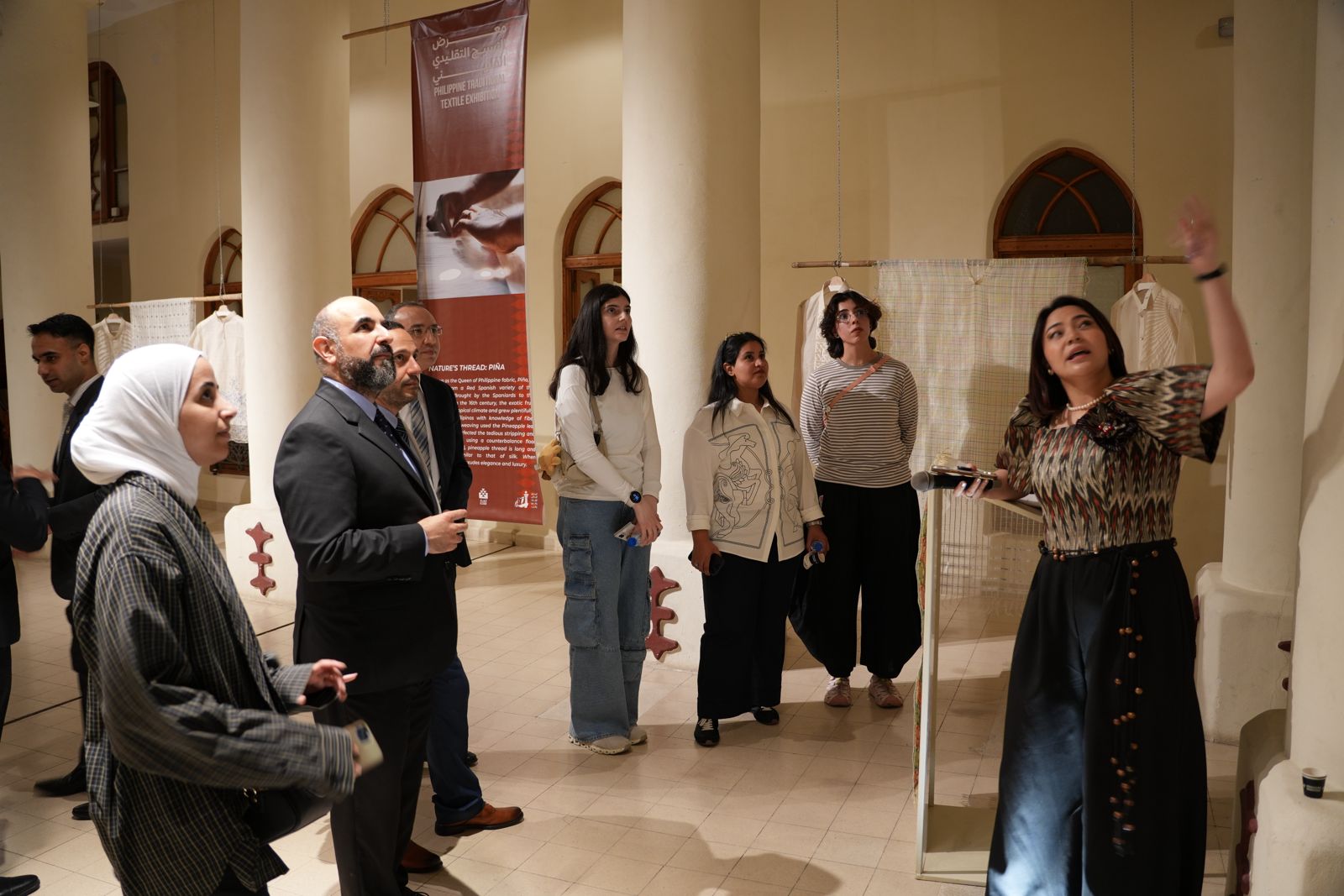
Traditional Philippine textiles and garments were showcased at Sadu House, offering visitors an opportunity to explore the Philippines’ rich weaving heritage and witness traditional techniques demonstrated by Filipino artisans.
The Philippine Traditional Textile Exhibition was inaugurated on September 14 by the Al Sadu Society, under the patronage of the National Council for Culture, Arts and Letters (NCCAL), in cooperation with the Embassy of the Philippines in Kuwait.
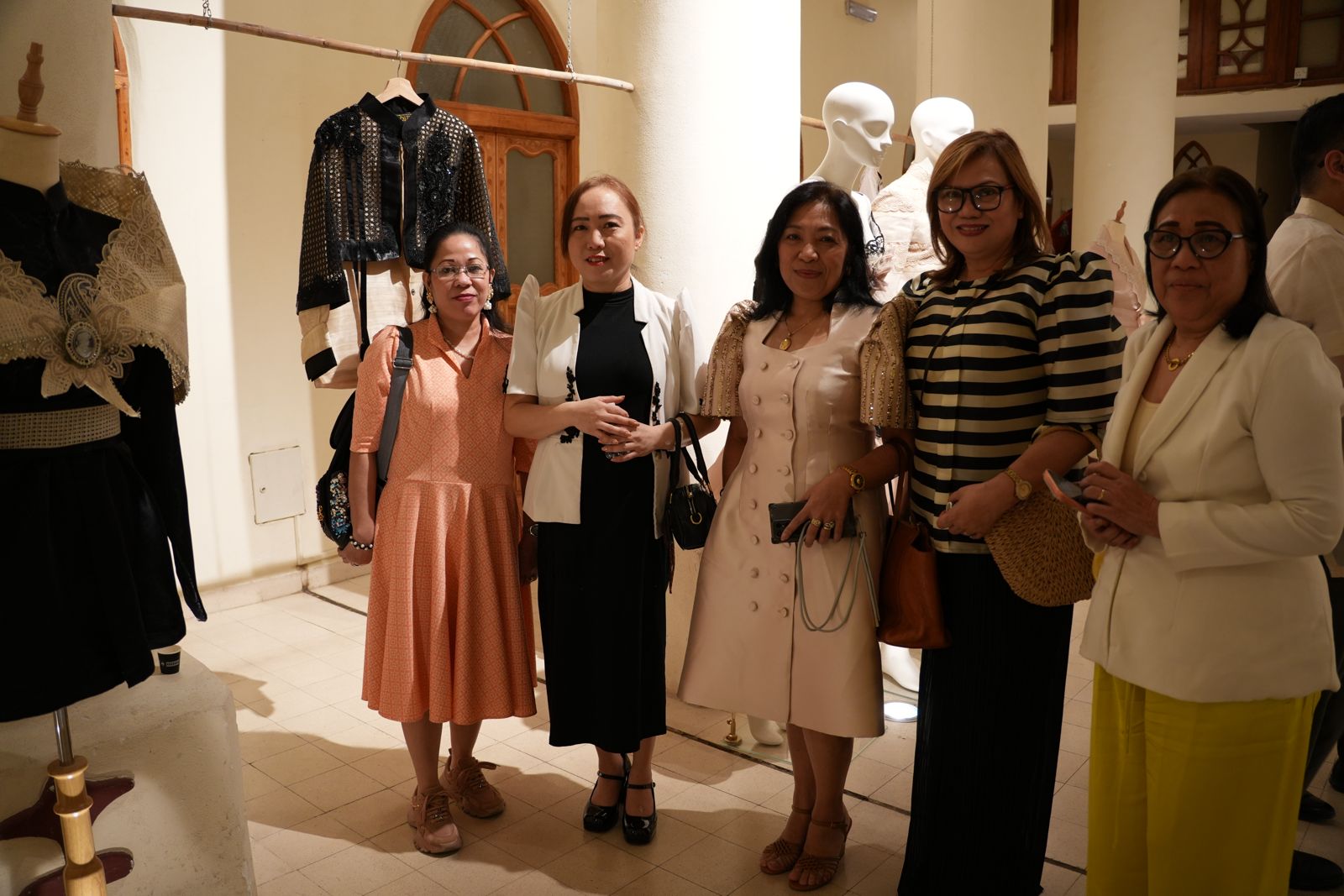
Filipino artisans who travelled to Kuwait for the exhibition are demonstrating traditional weaving methods and explaining how textiles are produced using techniques passed down through generations.
The exhibition highlights the Philippines’ considerable geographical, ethnic and cultural diversity through traditional fabrics, weaving techniques, materials and decorative patterns associated with different communities across the country.
Three distinctive traditions
Among the crafts featured were Yakan weaving, piña and Inawl, each representing a distinctive Philippine textile tradition.
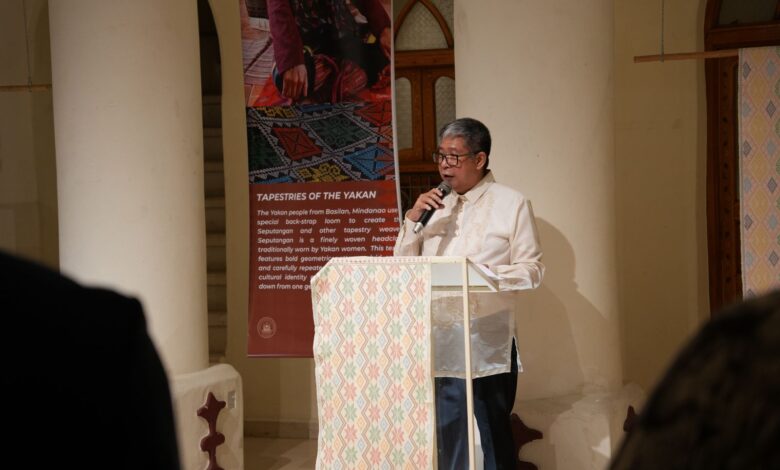
Yakan weaving originates among the Yakan people of Basilan in Mindanao. Artisans traditionally use a back-strap loom to create textiles such as Seputangan, a finely woven headcloth characterized by vivid colours, geometric designs and recurring cultural motifs.
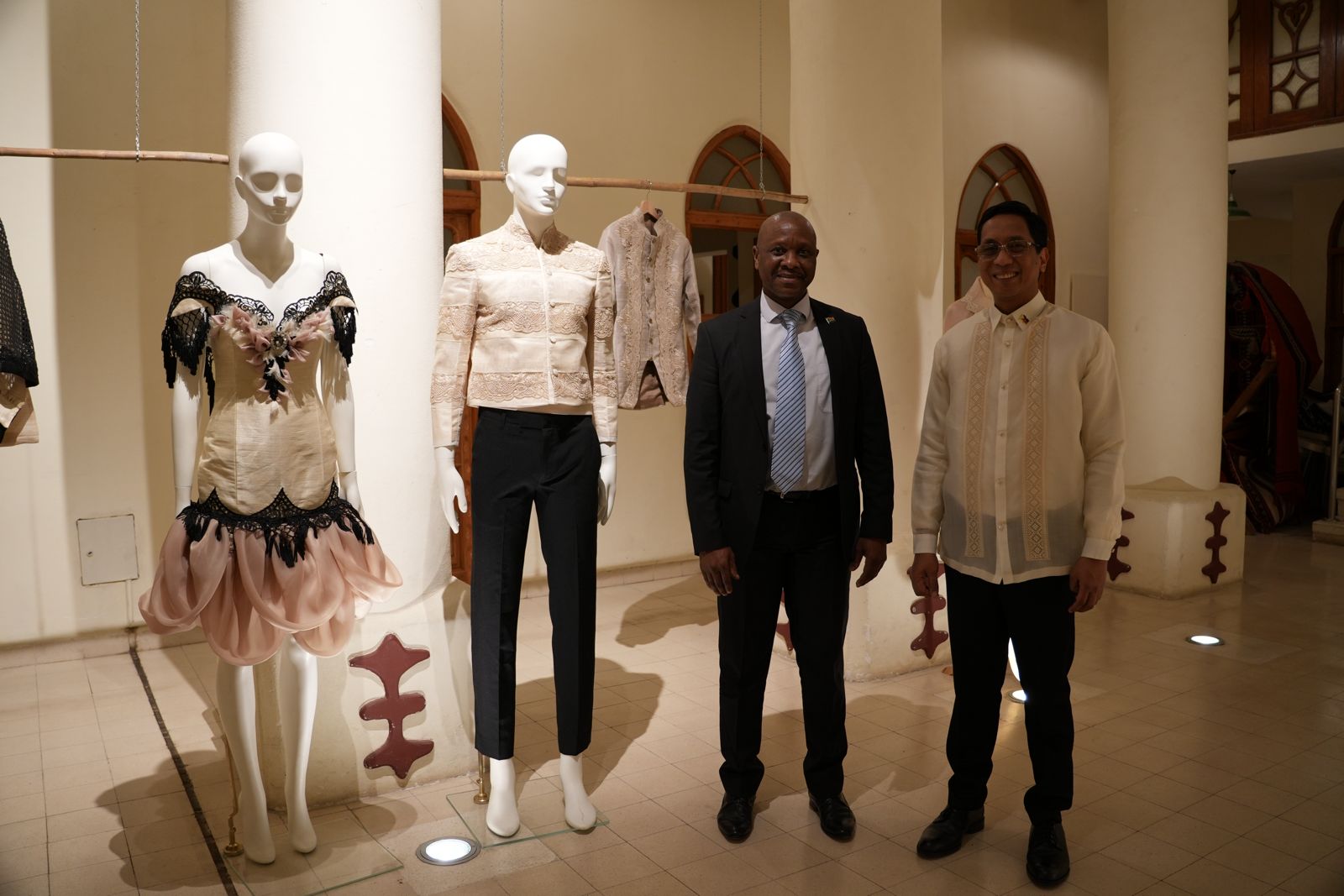
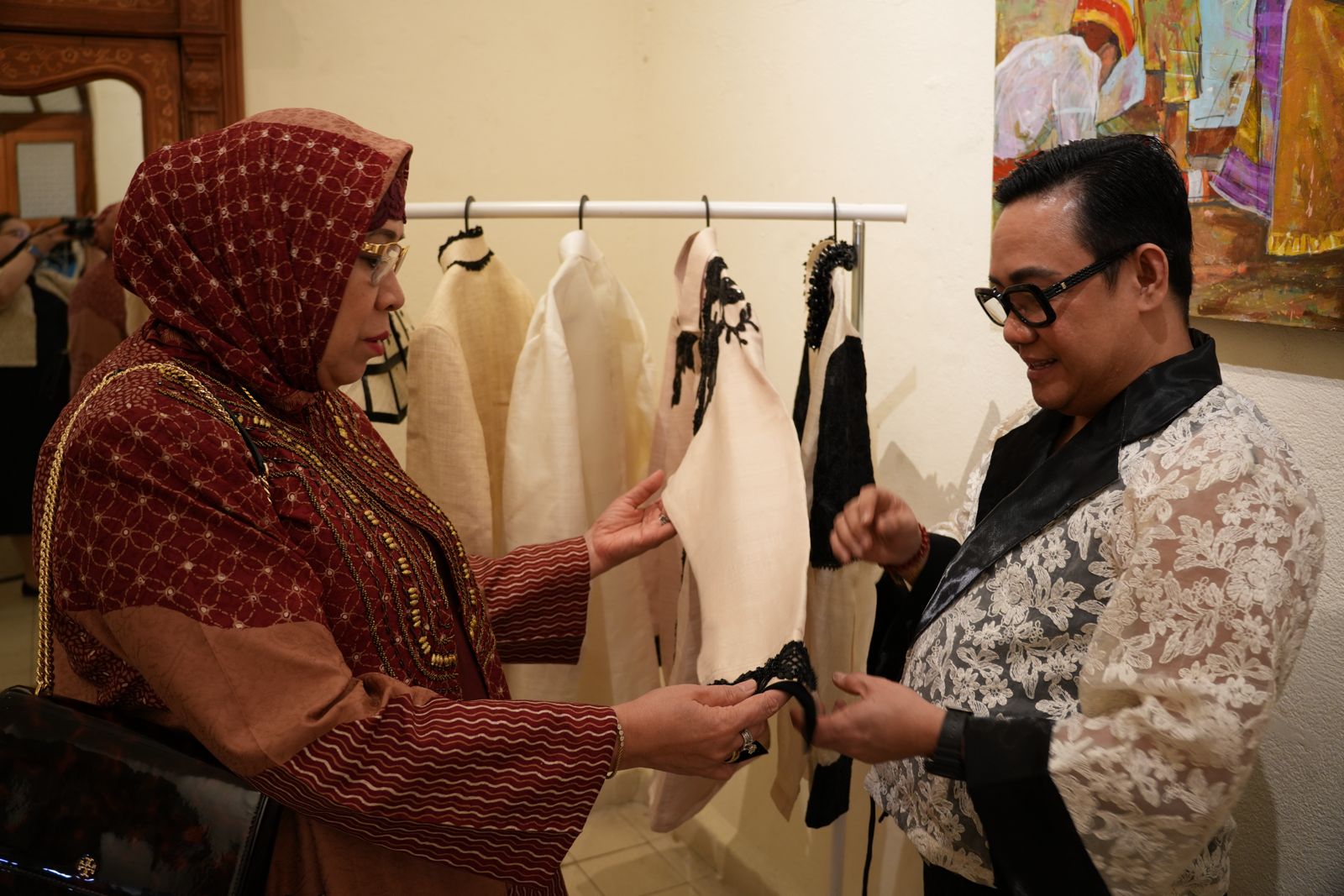
Piña, often described as the “Queen of Philippine fabric,” is made from fibres extracted from pineapple leaves. The exceptionally fine fibres are woven into lightweight fabric that can be almost translucent and are frequently used for elaborately embroidered garments.
The exhibition also features Inawl, a handwoven textile tradition of the Maguindanao people of the Bangsamoro region in southern Philippines. Known for its intricate patterns and colours, Inawl reflects generations of accumulated knowledge and craftsmanship and is increasingly finding applications in contemporary fashion and design.
Shared weaving heritage
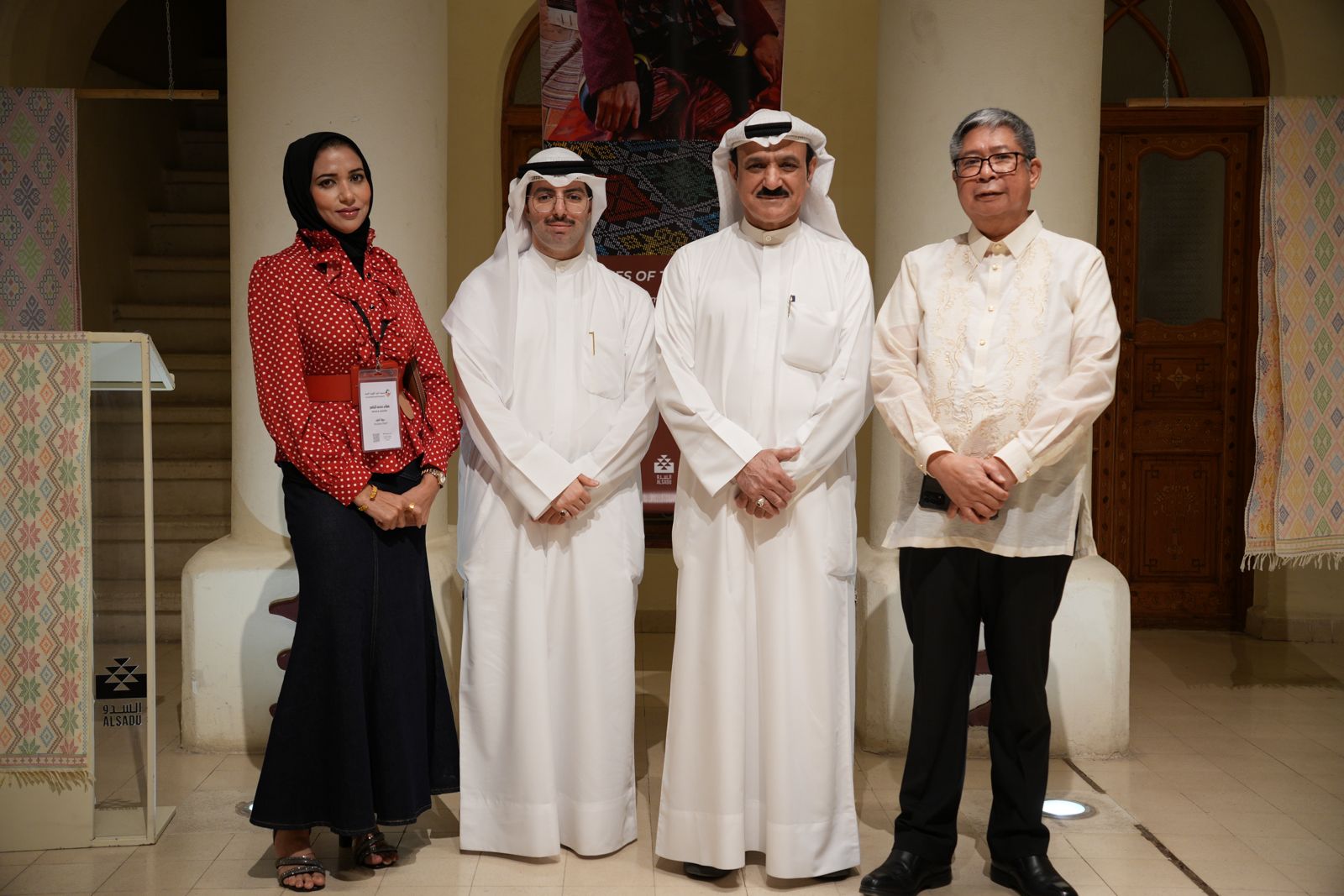
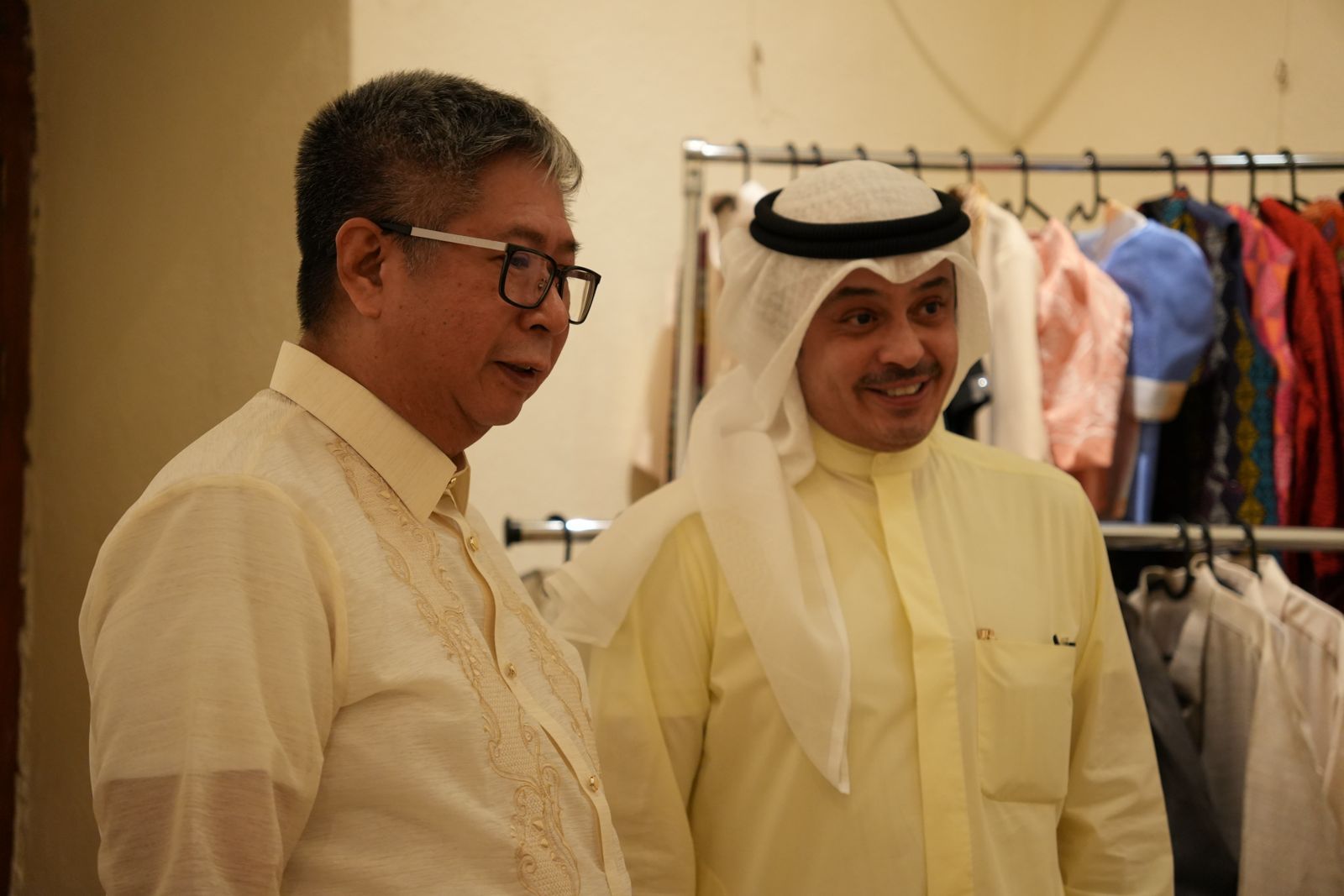
Philippine Ambassador to Kuwait H.E. Jose Cabrera III said the exhibition is the first dedicated presentation of traditional Philippine textiles and garments organized by the embassy in Kuwait.
He highlighted the importance of weaving as an element of cultural identity and drew parallels between the Philippines and Kuwait, noting that weaving traditions in both countries existed long before the emergence of the modern states.
Cabrera also praised Al Sadu Society for its efforts to preserve Kuwait’s own weaving heritage, saying cultural exhibitions can help raise awareness of traditional crafts and support their transmission to future generations.
Preserving skills for future generations
Traditional Philippine textiles historically relied on locally available fibres and natural dyes, with weaving styles, materials and patterns evolving according to the environment and social practices of individual communities.
The Philippine government, through the Department of Science and Technology’s Philippine Textile Research Institute, works with communities and weavers to preserve traditional techniques while supporting livelihoods, innovation and trade.
Al Sadu Society said the participation of Filipino artisans allows visitors to interact directly with practitioners and gain a deeper understanding of the skills involved in producing traditional textiles.
The exhibition forms part of the society’s wider efforts to promote cultural exchange and the preservation of traditional craftsmanship, while introducing Kuwaiti audiences to textile traditions from different parts of the world.
Through the fabrics and weaving techniques on display, the exhibition also highlights how traditional crafts preserve stories, cultural identity and knowledge passed from one generation to the next.