Kuwait targets salary abuses, human trafficking and commercial cover-ups
. . . suspends 10,000 companies over delayed salaries, vows crackdown on labor violations
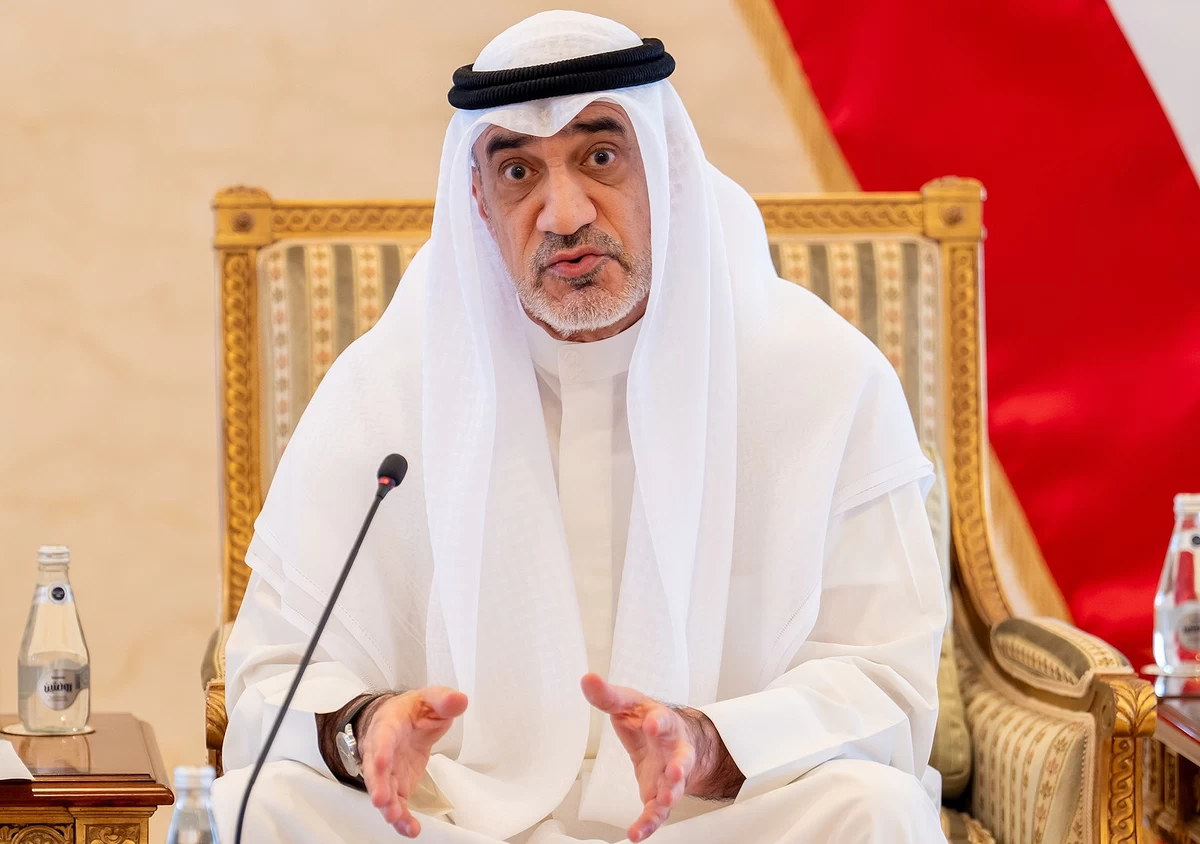
• Sheikh Fahd Al-Yousef says protecting expatriate workers, combating money laundering and human trafficking, and enforcing the law without exceptions are key government priorities
• On the fight against drugs, Al-Yousef said combating drug trafficking and promotion required a joint security and societal effort
• We will not allow promotion networks to target our youth,” Al-Yousef said, reaffirming the government’s commitment to confronting drug-related threats and protecting society.
First Deputy Prime Minister and Minister of Interior Sheikh Fahd Al-Yousef has called for national unity and vigilance against rumours amid the sensitive situation facing Kuwait and the wider region, stressing the need to strengthen internal cohesion and confront challenges that could undermine the country’s stability.
Al-Yousef said the government, acting on the directives of His Highness the Amir Sheikh Meshaal Al-Ahmad Al-Jaber Al-Sabah, was working to address longstanding issues affecting citizens and residents. He said the current phase required decisive action and the consistent application of the law to everyone without exception, reports Al-Jarida daily.
Al-Yousef said the government had made significant progress in addressing citizenship-related issues in accordance with the principles of justice and national interest. Other key priorities include combating crime, money laundering, human trafficking and terrorist financing, regulating the labour market and residency system, and tackling commercial cover-ups.
He stressed that the success of government policies should not be measured by the number of decisions issued, but by their tangible impact, including the protection of rights, reduction of violations and improvement of public services.
Highlighting the rights of expatriate workers as a major priority, Al-Yousef said abuses in the labour market had allowed some unscrupulous individuals to exploit vulnerable workers and control their livelihoods. He warned that such practices were also damaging Kuwait’s reputation and attracting attention from international humanitarian organisations.
“Kuwait’s reputation comes before everything and is above everything,” he said, stressing that the government would not tolerate or negotiate over violations involving workers’ rights.
Al-Yousef explained that the authorities had tightened penalties against companies that manipulate workers’ circumstances and suspended the files of 10,000 companies over delays and procrastination in paying salaries.
He emphasised that Kuwait was a state governed by law and institutions, adding that those who complied with the law had nothing to fear, while violators would be held accountable through the established legal procedures. Everyone, he said, was equal before the law, with no exceptions, in line with the Amir’s repeated directives.
Al-Yousef said the government sought to establish an organised labour market that protected vulnerable workers from exploitation while safeguarding the legitimate rights of employers. He stressed that labour must not be used as a channel for commercial cover-ups, money laundering or human trafficking.
At the same time, he said the government was committed to supporting compliant business owners and facilitating their transactions, ensuring a balance between workers’ rights and employers’ interests while preventing the exploitation of labour for unlawful gains.
To strengthen oversight, Al-Yousef pointed to electronic links between the Public Authority for Manpower, residency systems, commercial licensing and security control systems. The integration, he said, would help authorities identify fictitious companies and commercial cover-ups, verify whether licensed activities corresponded with actual operations, and detect violations more quickly and accurately.
Turning to traffic safety, Al-Yousef expressed hope that compliance with traffic regulations would become an everyday habit rather than a temporary response to enforcement campaigns. He said the implementation of the recent traffic law and tougher penalties had already contributed to changes in driving behaviour, with fewer violations involving recklessness and negligence.
He also highlighted the decision to impound vehicles belonging to motorists whose reckless and irresponsible driving endangers lives, describing enforcement as an important part of efforts to improve road safety.
On the fight against drugs, Al-Yousef said combating drug trafficking and promotion required a joint security and societal effort. In addition to pursuing dealers and trafficking networks, he stressed the importance of protecting young people through awareness and education, as well as treating those who had fallen victim to addiction.
“We will not allow promotion networks to target our youth,” he said, reaffirming the government’s commitment to confronting drug-related threats and protecting society.