Kuwait steps up anti-money laundering measures with tougher action on exchange firms
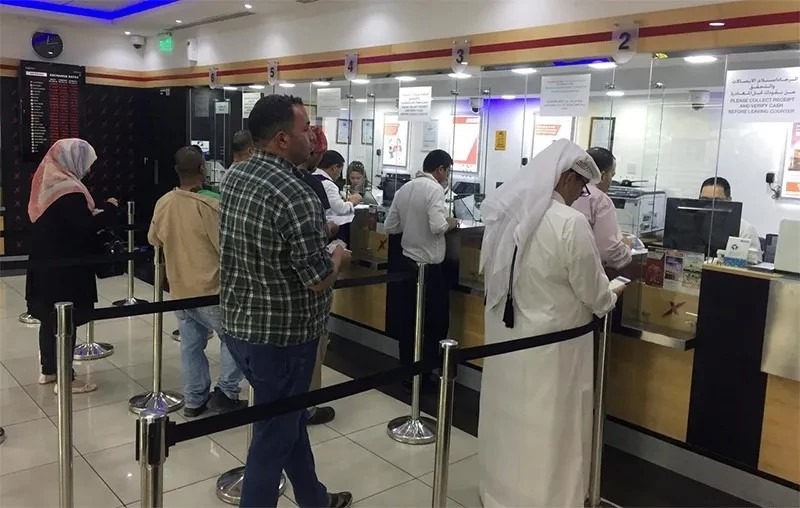
- The Central Bank of Kuwait has intensified its oversight of exchange companies, imposing substantial penalties and temporary suspensions on firms found in violation of anti-money laundering and counter-terrorism financing regulations, as part of broader efforts to safeguard the integrity of the country’s financial system.
The Central Bank of Kuwait (CBK) has stepped up its oversight of exchange companies as part of a broader effort to strengthen the country’s defenses against money laundering and terrorist financing. The move reflects a tougher regulatory stance aimed at safeguarding the integrity of Kuwait’s financial system and ensuring compliance with international standards.
According to informed sources, the CBK recently imposed substantial financial penalties on several exchange companies after inspections revealed violations of anti-money laundering (AML) and counter-terrorism financing (CTF) regulations under Law No. 106 of 2013. The fines were described as unusually high by sector standards, highlighting the regulator’s determination to address compliance failures.
In addition to financial sanctions, the affected companies were temporarily suspended from certain activities and granted a period to correct their deficiencies. As part of the corrective measures, they have been instructed to appoint specialized consulting firms approved by the Central Bank to review and strengthen their compliance, governance, and risk-management frameworks.
The consulting firms will conduct comprehensive assessments of the companies’ operations, identify vulnerabilities, and recommend improvements to enhance the accuracy, transparency, and reliability of financial transfer data. The goal is to ensure that exchange companies have effective systems in place to detect and prevent suspicious transactions.
The CBK has also required the companies to implement detailed remediation plans addressing all regulatory observations and potential risks. These plans must strengthen customer due diligence procedures, maintain accurate records of beneficial owners, and ensure customer information is regularly updated and verified.
As part of the reform process, exchange companies must develop robust compliance programs supported by advanced monitoring systems capable of tracking customer transactions and identifying unusual activity that may indicate money laundering or terrorist financing. Particular attention will be given to large or frequent transfers lacking a clear commercial purpose, as well as transactions linked to high-risk jurisdictions or conflict zones.
The enhanced oversight aligns with Kuwait’s commitment to international standards set by the Financial Action Task Force (FATF).
By tightening controls and investing in technology-driven monitoring tools, authorities aim to improve transparency, strengthen the resilience of the financial sector, and protect Kuwait’s reputation as a trusted financial and commercial center. Regulators have made clear that any weaknesses in the financial transfer system, regardless of their size, will be addressed as part of a broader strategy to protect financial security.