Kuwait signs 43.5 million dinars energy deal to avoid power crisis in summer
In a race against summer, Kuwait mobilizes to prevent blackouts as power demand surges; pins hopes on conservation and solar power to beat peak demand
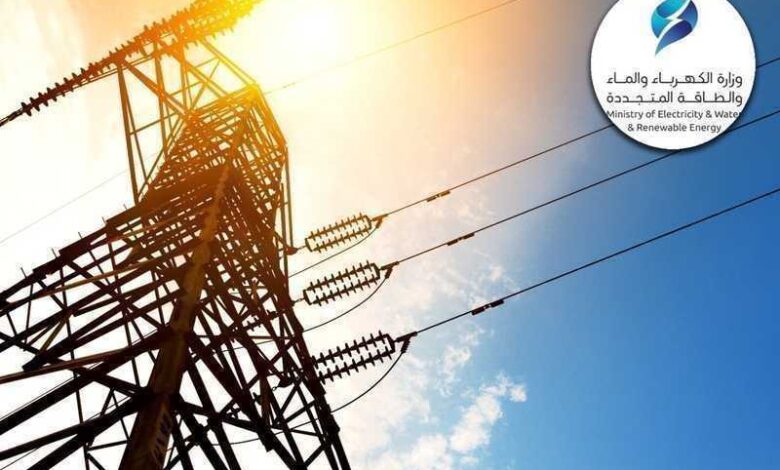
The Ministry of Electricity, Water and Renewable Energy is intensifying preparations for the upcoming summer season, anticipating a sharp rise in power and water consumption that could exceed last year’s peak levels.
The ministry aims to avoid scheduled power outages by implementing a comprehensive plan to balance rising demand with available production capacity.
At the core of the plan is the maintenance of power generators and water desalination plants. Despite challenges, including regional tensions and reported impacts on some facilities, progress has been significant, with around 60 percent of power plant maintenance and 70 percent of desalination work already completed. Authorities are working to ensure all maintenance is completed on schedule before the peak summer demand.
To address potential energy shortages, the ministry is strengthening regional cooperation through the Gulf Cooperation Council Interconnection Authority.
A new agreement has been signed to import electricity starting May through March 2027 at a cost of 43.5 million dinars. This step is supported by infrastructure upgrades, including expanded connections between Al-Wafra station and Sabah Al-Ahmad residential areas, allowing greater import capacity from the Gulf grid.
The ministry is also prioritizing consumption rationalization as a key pillar of its strategy. Public awareness campaigns are being rolled out to encourage citizens and residents to reduce usage, especially during peak hours.
Authorities may again request factories to halt operations during high-demand periods and urge government institutions to cut consumption, replicating measures that proved effective last summer.
Renewable energy is playing an increasing role in easing pressure on the grid. Government entities are now required to generate at least 10% of their electricity from solar energy, adding around 60 megawatts to the network.
The ministry is also exploring policies to purchase surplus solar power from homes and buildings, encouraging wider adoption of rooftop solar systems and potentially reducing grid demand by up to 10 percent.
Ultimately, officials stress that avoiding power cuts will depend on multiple factors, including weather conditions and the stability of major production units. Experts, including former official Iyad Al-Fallah, emphasize the importance of conservation measures such as monthly billing, smart meters, tiered pricing, and stricter enforcement against waste.
The ministry underlines that public cooperation in reducing consumption remains the decisive factor for a stable, outage-free summer.