KISR develops eco-friendly solution to clean oil-contaminated soil using mangrove microbes
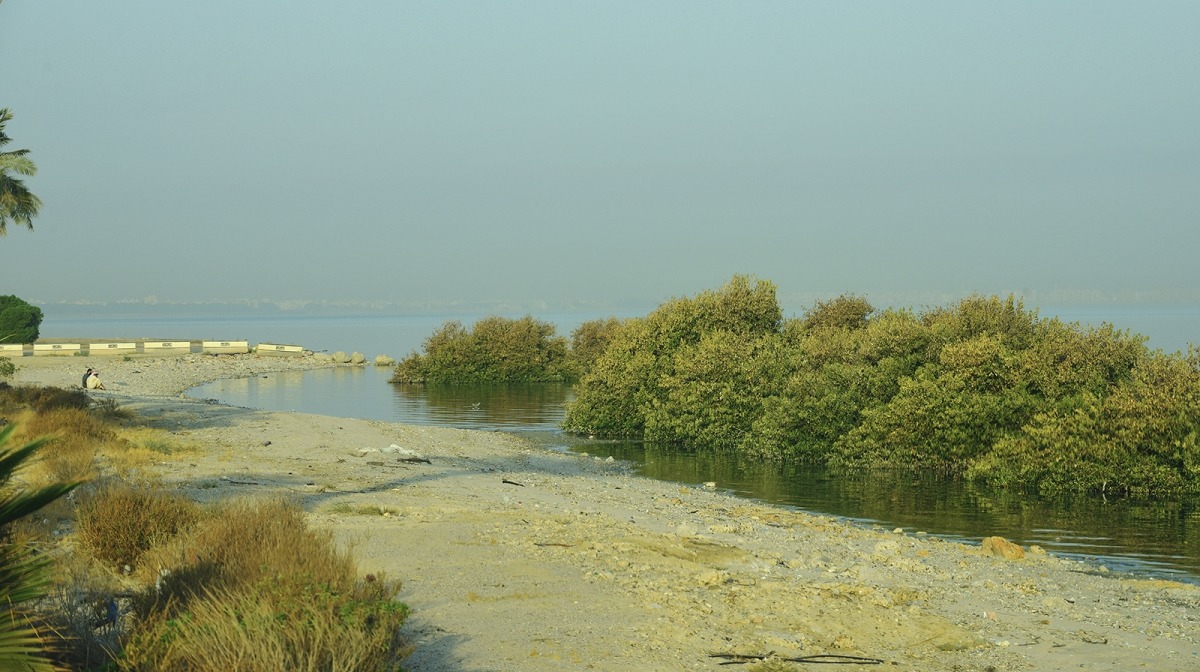
The Kuwait Institute for Scientific Research (KISR) has successfully completed a pioneering research project that uses naturally occurring microbes found in Kuwait’s mangrove forests to clean oil-contaminated soil, offering an environmentally friendly solution to one of the country’s longstanding ecological challenges.
The project focuses on harnessing microorganisms living in mangrove sediments to break down crude oil and restore polluted coastal environments.
Researchers say the initiative supports Kuwait’s efforts to protect its fragile coastal ecosystems while advancing sustainable technologies for environmental rehabilitation.

Dr. Abrar Akbar, a researcher in KISR’s Food Security Program, said the study was launched in response to growing environmental pressures on Kuwait’s mangrove habitats, including pollution from oil and heavy metals.
Mangrove ecosystems, she noted, are among the most productive natural environments, playing a vital role in preserving biodiversity and maintaining ecological balance.
Researchers used advanced DNA sequencing to identify microbes living in Kuwait’s mangrove sediments and isolated local bacteria capable of breaking down crude oil.
Laboratory tests showed these naturally occurring microbes reduced oil contamination in coastal soil by up to 76 percent, highlighting their potential as an eco-friendly solution for environmental cleanup.
The project also created Kuwait’s first scientific database on mangrove microbes, providing valuable data to support coastal restoration, pollution monitoring and future environmental sustainability initiatives.