A global push is emerging to use sport as a practical tool for social development, with Qatar Foundation (QF) and Wilton Park calling on governments, sporting bodies, development organizations and civil society groups to join a new coalition aimed at expanding opportunities for women and girls across the Global South.
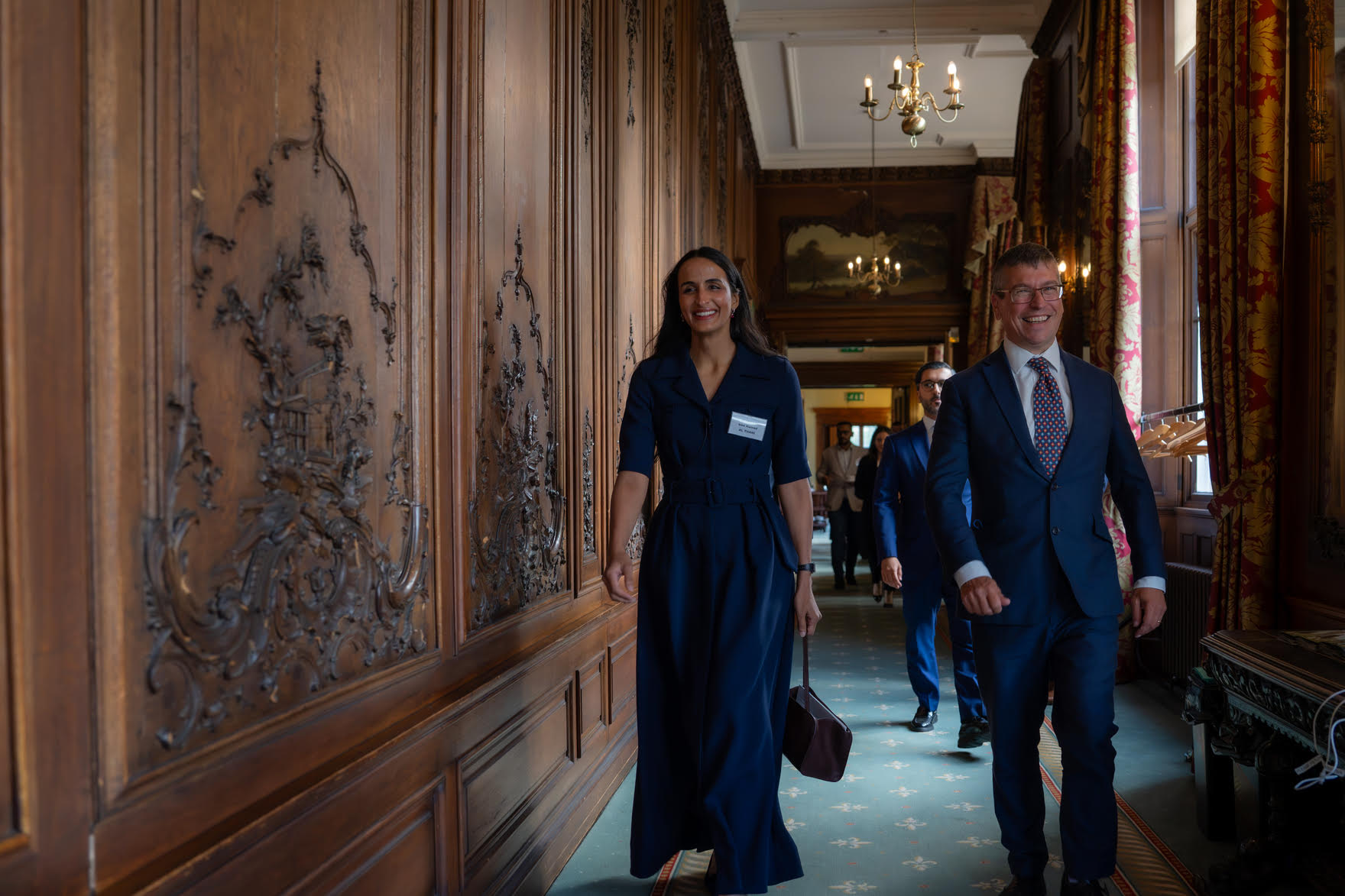
The call came at a three-day dialogue titled “Sport for Development in the Global South: Advancing Female Empowerment, Inclusion, and Accessibility,” which brought together policymakers, development practitioners, rights advocates, NGOs, sporting administrators and athletes to examine why women and girls continue to face barriers to participation.
The discussions went beyond access to playing fields, focusing on the wider systems that shape sporting opportunities, including policy, research, financing, infrastructure, coaching and pathways for athletes. Participants also examined how countries of the Global South can have a stronger voice in shaping international sports and development priorities.
As a next step, Wilton Park, an executive agency of the UK Foreign, Commonwealth and Development Office, and Qatar Foundation will jointly develop a roadmap setting out potential actions, partnerships and approaches to remove barriers affecting women and girls, people with disabilities and displaced communities seeking to participate in and benefit from sport.
Qatar Foundation Vice Chairperson Sheikha Hind bint Hamad Al Thani urged participants to join a global sport-for-development coalition designed to turn commitments into practical action. She linked the initiative to a 2025 UN resolution that recognizes sport as a human right and as a means of empowering women and girls.
The resolution, UN Resolution 59/17, was initiated and submitted by Qatar with a core group of countries including Indonesia and Morocco and has since received co-sponsorship from 71 countries, according to the source.
Sheikha Hind said the objective should extend beyond simply achieving numerical parity because women and girls face specific barriers, including safety concerns, stigma and gaps in research addressing their sporting needs.
She also pointed to concerns over injury rates among female athletes and high dropout rates among adolescent girls, arguing that sporting pathways have often not been designed around the needs of women and girls. She called for women to have a greater role in designing sports facilities, more tailored coaching and stronger scientific research on women’s and girls’ sport.
The dialogue also highlighted sport’s potential to deliver wider social benefits. Sheikha Hind described it as an underused development tool capable of building confidence, mobility, leadership and opportunity, particularly for women and girls in disadvantaged communities, while acknowledging that access remains uneven because of structural and cultural barriers.
The gathering brought together representatives from major international sporting and development organizations, including the International Paralympic Committee, Special Olympics, British Olympic Association, New Zealand Olympic Committee, Centre for Sport and Human Rights, Laureus Sport for Good Foundation, Right to Play, NBA Africa and the International Volleyball Federation. Athletes including Shelly-Ann Fraser-Pryce and Ibtihaj Muhammad also participated.
Discussions covered the contribution of women’s and girls’ sport to development goals, ways of removing systemic barriers, the role of donors and investors, expanding opportunities for women and girls with disabilities, increasing the influence of female athletes and sporting nations in the Global South, and using traditional sports to preserve cultural heritage and identity.
Dr. Khalilur Rahman, President-Elect of the 81st Session of the UN General Assembly, said sport can influence how girls are viewed by their families and communities while giving them opportunities to develop leadership, confidence and resilience. He also highlighted the role of women coaches, referees and athletes as visible examples of leadership.
Kenya’s former Cabinet Secretary for Sports, Culture and Heritage Amina Mohamed said simply increasing the number of women participating in sport was insufficient. She called for representation, targets and accountability to ensure meaningful participation by women and girls of all abilities.
Dr. Mamadou Tangara, Head of the African Union Mission in Mali and the Sahel, highlighted sport’s potential in communities affected by conflict, saying it can provide opportunities for young people while delivering educational, social and cultural benefits and helping build resilient and peaceful societies.
Qatar is also using its position as a major sporting hub to expand opportunities for women and girls. Qatar Foundation said more than 70,000 women and girls have participated in sporting events at Education City Stadium over the past two years, while more than 1,000 girls have taken part in its Creating Pathways programme covering track and field, volleyball, fencing, basketball and tennis.
Another initiative, Circle In, led by Qatar Foundation, Education Above All Foundation and the International Olympic Committee, is supporting sport-for-good projects in 10 countries, with an initial goal of reaching up to 50,000 children and young people and training up to 5,000 coaches, teachers and instructors. The programme focuses on women and girls, people with disabilities and marginalized communities.
Qatar Foundation has also partnered with the Basketball Africa League, with the support of Qatar Sports Investments, to create greater opportunities for people across Africa to participate in and benefit from basketball. The central message from the three-day dialogue was that expanding women’s participation in sport requires more than increasing the number of athletes. Participants called for changes across the entire sporting ecosystem — from facilities and coaching to leadership, research, investment, media and athlete development.
The proposed roadmap by Qatar Foundation and Wilton Park is intended to turn those discussions into concrete partnerships and actions, placing inclusion and accessibility at the centre of the sport-for-development agenda.