Gold demand in Kuwait declined by 8.94 percent year-on-year during the first nine months of 2026 to 11.2 tons, compared with 12.3 tons in the corresponding period last year, as consumers increasingly favored bullion and coins over jewelry, according to World Gold Council data.
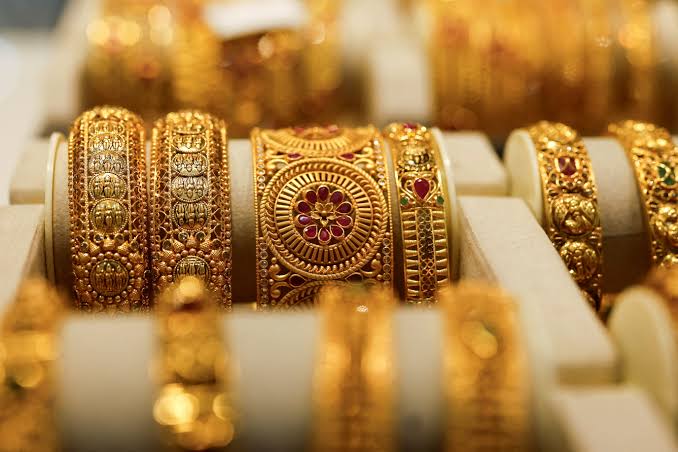
Purchases of gold bars and coins rose by 14.58 percent to 5.5 tons, accounting for 49 percent of total demand, compared with around 39 percent a year earlier. In contrast, jewelers demand dropped by 24 percent to 5.7 tons from 7.5 tons, reducing its share of the market to 51 percent.
Investment demand for bullion and coins increased during the first two quarters. Purchases rose 28.57 percent in the first quarter to 1.8 tons, against 1.4 tons a year earlier, and climbed 26.32 percent in the second quarter to 2.4 tons, compared with 1.9 tons. However, demand fell 13.33 percent in the third quarter to 1.3 tons from 1.5 tons in the same period of 2025.
Jewelry purchases declined across all three quarters. Demand fell 25 percent in the first quarter to 1.8 tons, compared with 2.4 tons, and dropped 18.52 percent in the second quarter to 2.2 tons from 2.7 tons. The third quarter recorded the sharpest decline, with purchases falling 29.17 percent to 1.7 tons from 2.4 tons, marking one of the weakest quarterly performances in recent years.
Global market trends
Globally, total gold demand, including over-the-counter transactions, reached around 1,369 tons in the third quarter, down nearly one percent year-on-year. Demand during the first nine months of 2026 totalled approximately 3,881 tons, valued at $566 billion, almost matching the record 3,884 tons recorded throughout 2025.
Central banks and other institutions purchased around 321 tons during the third quarter, taking their cumulative purchases since the beginning of the year to 675 tons. Gold exchange-traded funds also returned to growth, recording inflows of approximately 211 tons in the third quarter following outflows in the previous quarter, amid concerns over fiscal sustainability, inflation and wider economic uncertainty.
Global jewelry demand fell 17 percent year-on-year to 313 tons, its weakest third-quarter performance, although its value increased two percent to $43 billion due to high gold prices. Demand for bars and coins declined 19 percent to 268 tons as investors awaited greater clarity on price movements.
Meanwhile, gold consumption in the technology sector increased three percent year-on-year, supported by demand linked to artificial intelligence technologies and products.