Global mangrove forests make remarkable comeback as conservation efforts show results
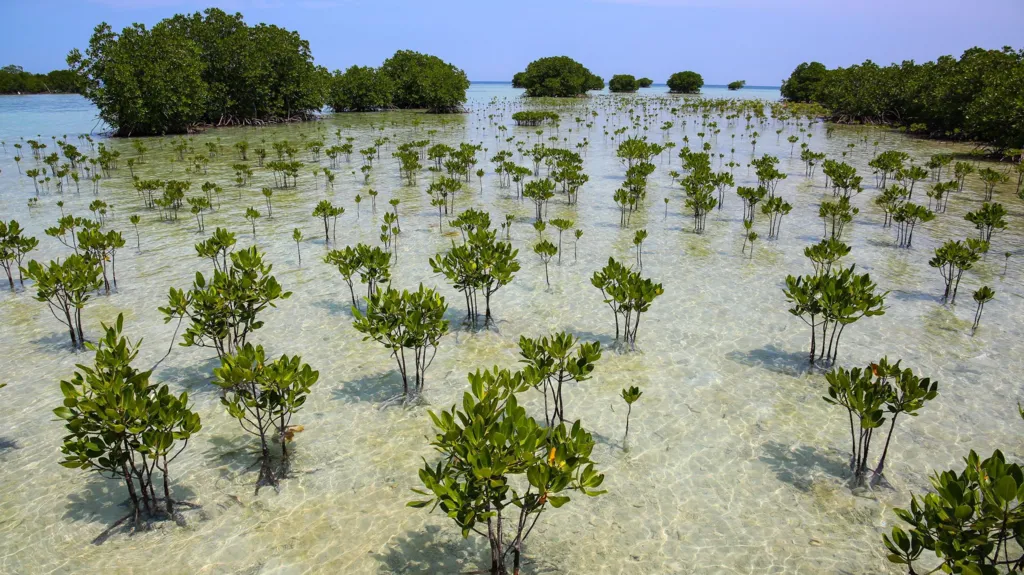
- A new scientific study has revealed that global mangrove losses have slowed dramatically since 2010, with countries such as Indonesia and Myanmar leading a recovery trend driven by conservation efforts, stricter protections, and growing public awareness.
- Scientists say the revival of these vital coastal ecosystems is not only strengthening natural defenses against storms and tsunamis, but also helping absorb more planet-warming carbon emissions as mangrove forests become healthier, denser, and more carbon-rich worldwide.
The world’s mangrove forests are showing signs of a major environmental recovery after decades of decline, according to a new scientific study that found global mangrove coverage has been increasing since 2010. Researchers say stronger legal protections, restoration projects and growing public awareness have helped reverse years of destruction caused by urban expansion, agriculture and fish farming.
Mangroves are considered one of the planet’s most valuable coastal ecosystems because they absorb huge amounts of carbon dioxide, protect shorelines from storms and tsunamis, and provide breeding grounds for marine life. Scientists estimate that mangrove forests can store up to five times more carbon than land-based forests, making them critical in the fight against climate change.
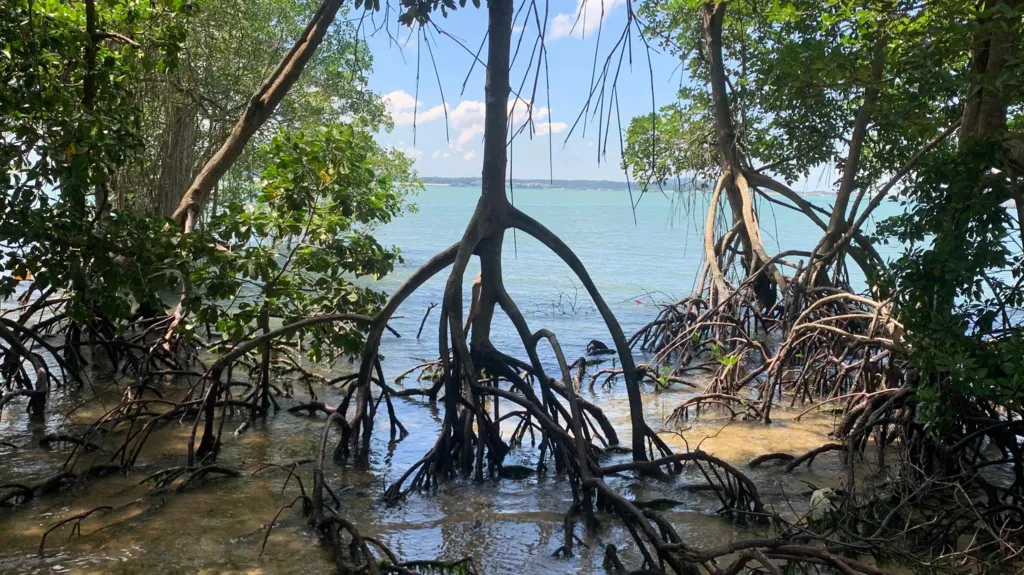
For decades, however, these coastal forests suffered severe losses. Between the 1980s and 2010, more than 12,000 square kilometers of mangroves were destroyed across Asia, Africa and the Americas due to rapid coastal development, aquaculture projects and deforestation, according to BBC.
The new research shows that trend has dramatically slowed. Net mangrove losses since the 1980s have now been reduced to approximately 849 square kilometers, largely because many forests have naturally regenerated once deforestation pressures declined.
Countries such as Indonesia and Myanmar have recorded particularly notable recoveries. Researchers said major natural disasters played a key role in changing public attitudes toward mangrove conservation.
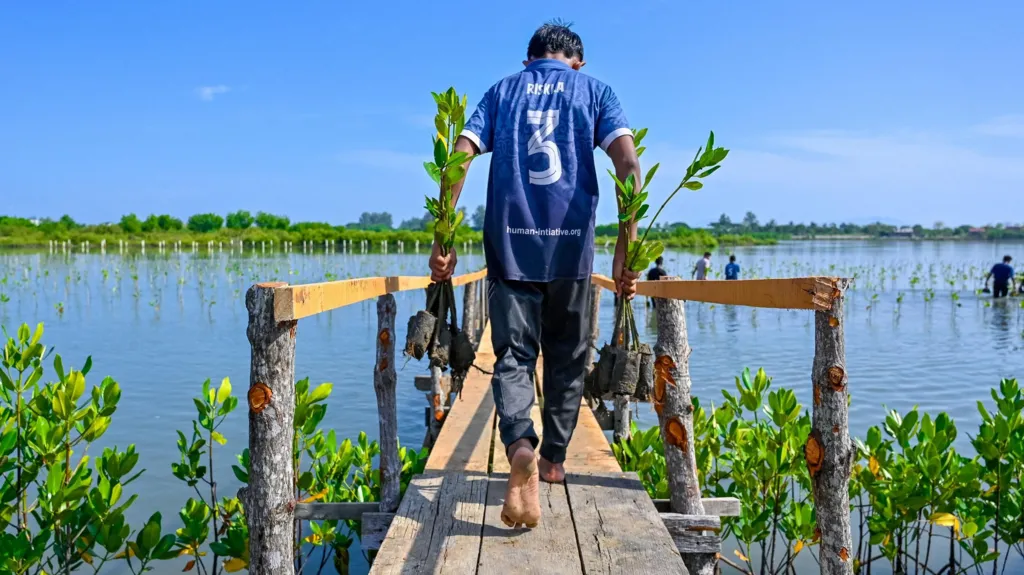
In Indonesia, the devastating 2004 Indian Ocean tsunami highlighted how mangrove forests helped shield some coastal communities from destruction.
Similarly, in Myanmar, awareness increased after Cyclone Nargis in 2008, while a national logging ban introduced in 2016 further contributed to mangrove recovery.
Scientists also credited advances in satellite technology for improving forest monitoring. New Landsat satellite imagery revealed larger areas of mangrove regrowth than earlier assessments had detected, allowing researchers to better track changes in canopy density and forest expansion.
Despite the positive trend, researchers warned that some mangrove growth may be linked to environmental damage elsewhere. In countries such as Brazil, nutrient-rich sediments flowing downstream from mining and upstream deforestation may be contributing to mangrove expansion along rivers and coastal zones.
The study also identified major threats that continue to endanger mangrove ecosystems, particularly in West and Central Africa. The Niger Delta was highlighted as a major hotspot for destruction due to oil pollution and industrial activity, while tropical cyclones remain responsible for severe losses in regions from Australia to the Caribbean.
Researchers described the findings as an encouraging environmental success story, emphasizing that healthier and denser mangrove forests are now expanding in many regions. Since the 1980s, the proportion of closed-canopy mangroves, considered the richest and most carbon-dense ecosystems, has increased by nearly 20 percent, signaling that global conservation efforts are beginning to deliver meaningful results.