Türkiye Embassy, UN-Habitat organize ‘AI for Diplomacy’ workshop in Kuwait
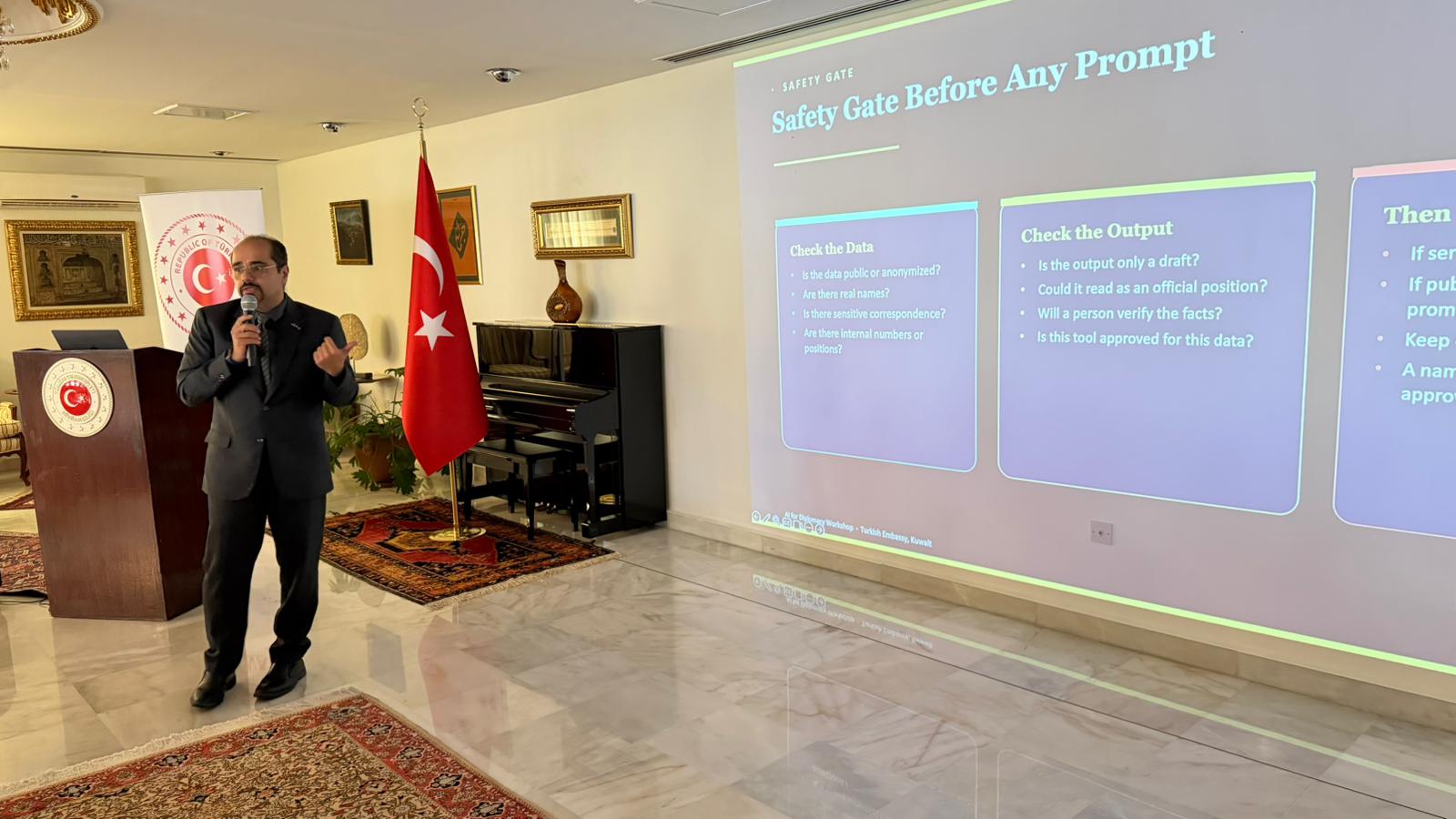
The United Nations Human Settlements Program (UN-Habitat) Mission to Kuwait and the Gulf States, in cooperation with the Embassy of the Republic of Türkiye in Kuwait, organized a workshop titled “AI for Diplomacy” on Thursday at the Turkish Embassy in Kuwait, bringing together diplomatic and institutional participants to explore the responsible use of artificial intelligence in modern diplomatic work.
The workshop formed part of ongoing efforts to strengthen institutional and diplomatic capacities in the safe and effective use of artificial intelligence tools, amid the growing integration of these technologies into research, analysis, content preparation, communication, and decision-support processes.
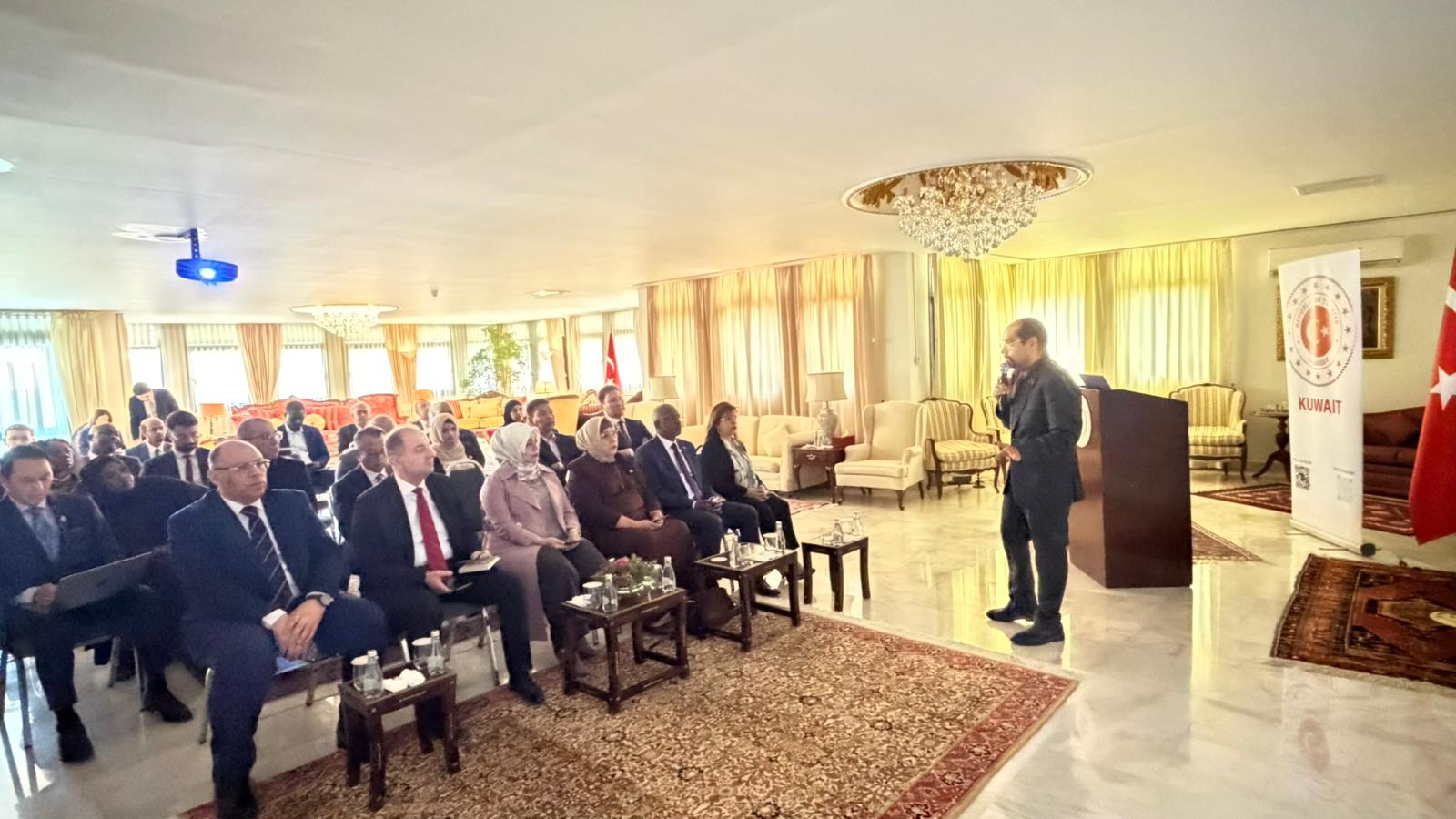
The session was presented by Dr. Fatima Al-Hasawi and Kuwaiti technology and artificial intelligence specialist Qusai Al-Duaij.
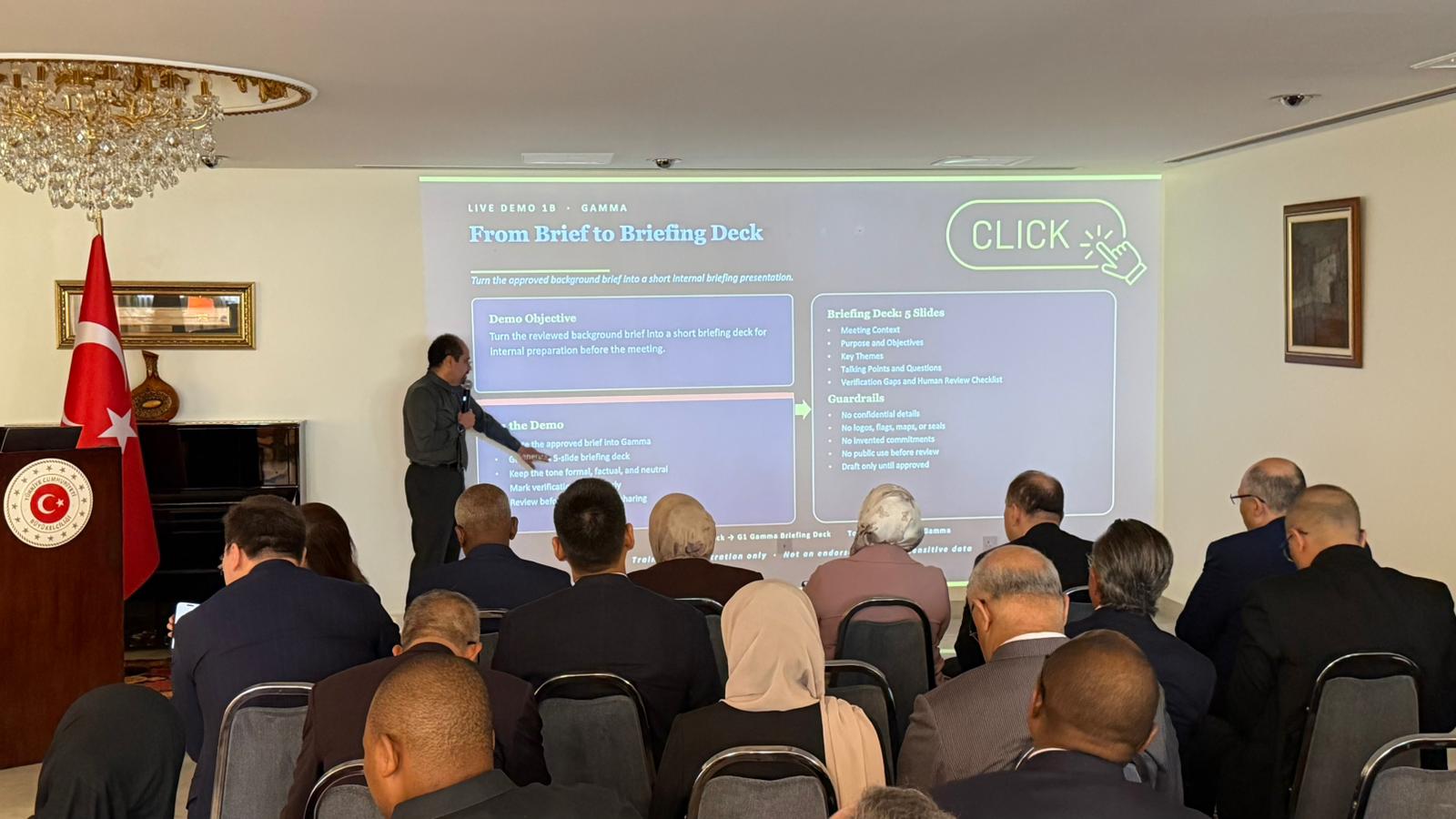
The program focused on the practical applications of AI in diplomacy, avoiding highly technical discussions while highlighting the importance of data protection, verification of outputs, and maintaining human oversight in decision-making.
Dr. Amira Al-Hassan, Head of the UN-Habitat Mission to Kuwait and the Gulf States, said the workshop reflects the United Nations’ vision of employing artificial intelligence in the service of people and sustainable development within clear principles of governance, transparency, and accountability.
She noted that artificial intelligence has become an integral part of institutional, diplomatic, and development work environments, stressing that its true value lies not merely in its use, but in understanding its limitations, safeguarding data, validating outputs, and ensuring that human judgment remains central to institutional decision-making.
Dr. Al-Hassan further emphasized the Mission’s commitment to empowering and supporting local expertise, considering it a vital partner in transforming global concepts into practical applications that respond to national priorities and institutional requirements, particularly in artificial intelligence and digital transformation.
For her part, Ambassador Tuba Nur Sönmez, Ambassador of the Republic of Türkiye to Kuwait, affirmed that the workshop underscores the growing importance of building diplomatic capacities as intelligent technologies become increasingly influential in international work, public communication, and knowledge management.
Ambassador Sönmez said artificial intelligence is no longer a future concept but a practical reality that requires diplomats and institutions to develop a conscious and responsible understanding of its use.
She highlighted the need for tools that support analysis, summarization, and verification while ensuring safeguards that protect confidentiality, prevent misinformation, and preserve the role of human judgment.
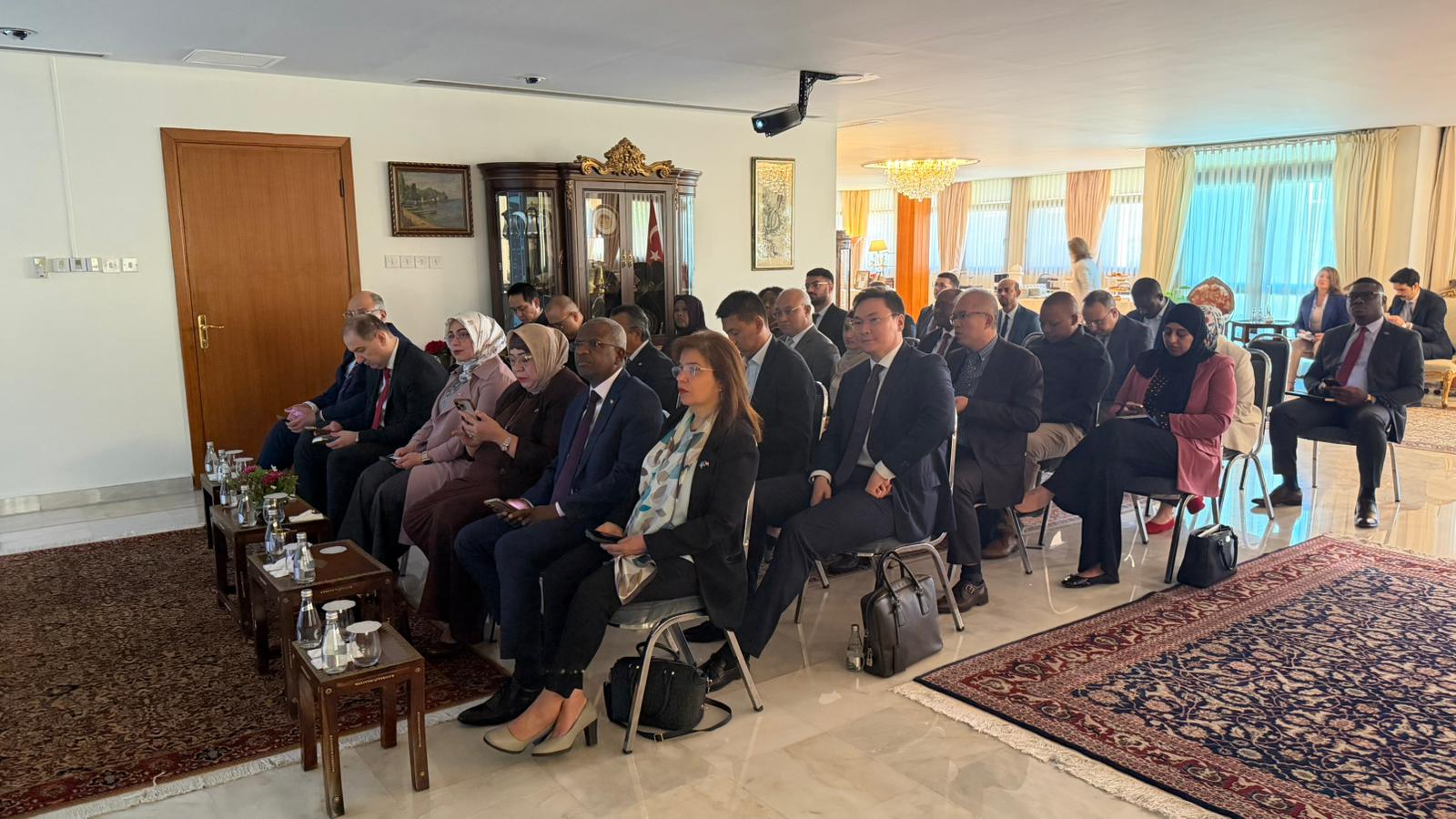
She expressed pride in the cooperation bringing together the Turkish Embassy, UN-Habitat, and Kuwaiti expertise in artificial intelligence, describing the initiative as a gateway for broader cooperation between Kuwait and Türkiye in technology, AI, and digital transformation, while strengthening knowledge exchange and joint initiatives.
The workshop addressed a range of key topics, including the fundamentals of artificial intelligence, large language models, prompts, and AI agents.
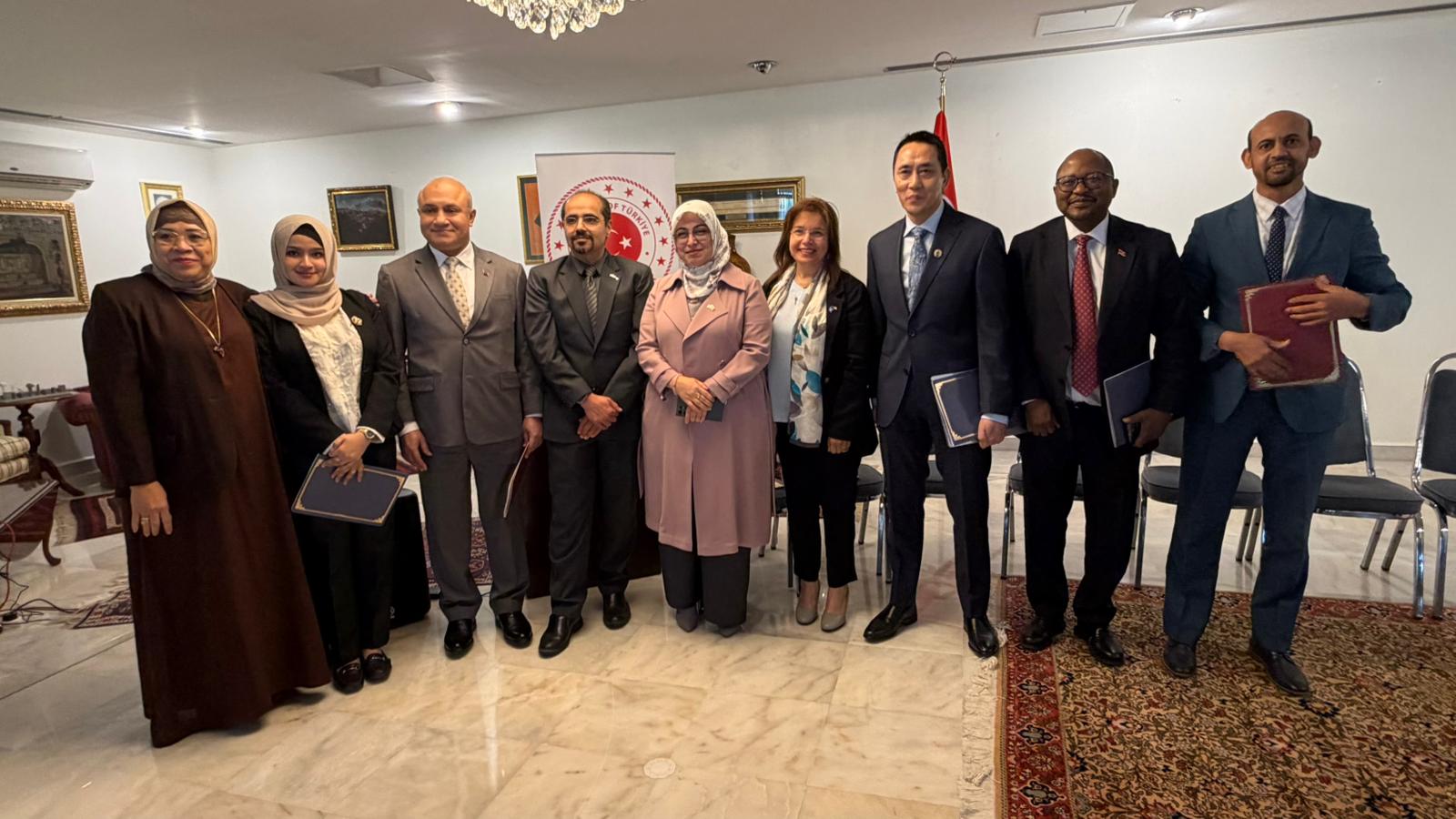
Discussions also covered distinctions between safe and high-risk uses of AI, anonymization of sensitive data before using public tools, writing accurate prompts, and verifying information before publication or adoption.
Participants explored practical applications of AI in summarization, drafting correspondence, meeting preparation, preliminary translation, open-source research, and the production of awareness and communication materials, all within a framework of institutional governance and human review.
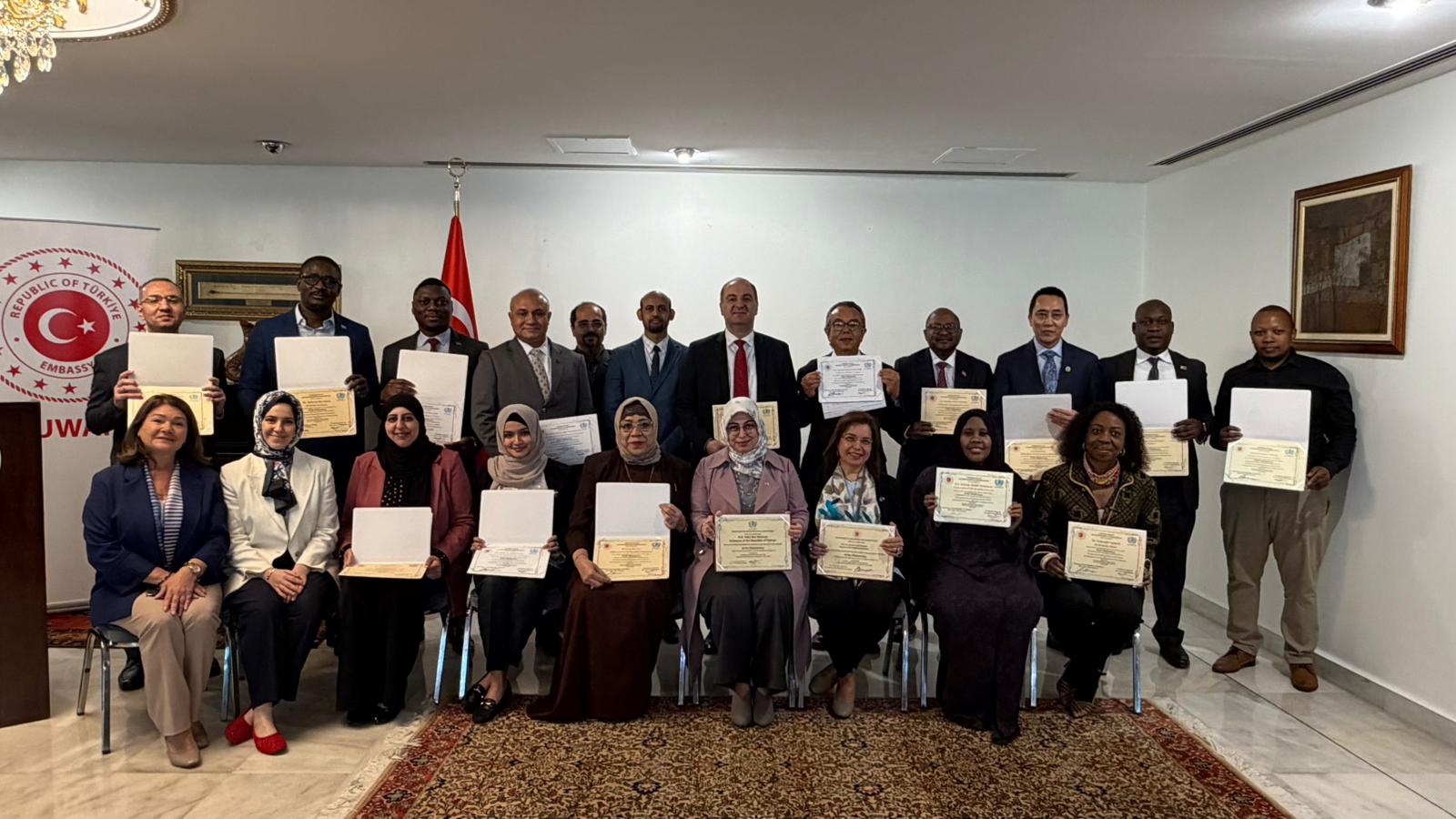
The workshop concluded with an emphasis that artificial intelligence is not a replacement for human expertise, but rather a supporting tool capable of enhancing the efficiency of diplomatic and institutional work when applied with caution, awareness, and responsibility.