By Tareq Yousef AlShumaimry
Former Secretary-General of the Commercial Arbitration Centre of the Gulf Cooperation Council
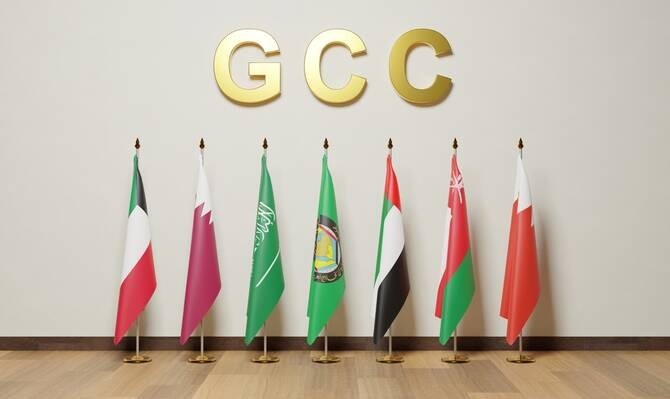
The economies of the Gulf Cooperation Council (GCC) demonstrated remarkable resilience and structural transformation by the end of 2025, according to data released by the Statistical Centre for the Cooperation Council for the Arab Countries of the Gulf.
The latest indicators reveal that GCC states are steadily advancing toward diversified and sustainable economic models, reducing dependence on oil revenues while strengthening non-oil sectors such as tourism, logistics, technology, manufacturing, and financial services.
Strong Economic Expansion
Official GCC statistical data showed that the combined gross domestic product (GDP) of GCC countries reached approximately $595.8 billion at current prices during the third quarter of 2025, compared with nearly $583 billion during the same period in 2024.
This represents an annual nominal growth rate of approximately 2.2%, while real GDP growth at constant prices reached around 5.2%, reflecting genuine expansion in economic activity rather than inflationary effects alone.
The figures underline the region’s continued recovery momentum and the effectiveness of long-term economic reform programs adopted across the Gulf.
Non-Oil Economy Becomes the Main Driver
One of the most significant developments highlighted in GCC statistical reports is the growing dominance of non-oil economic activities.
By the first quarter of 2025, non-oil sectors accounted for nearly 73.2% of the GCC’s total GDP, while oil activities represented approximately 26.8%.
This marks a notable shift compared with previous years and demonstrates the accelerating success of diversification strategies implemented by GCC governments.
Economic analysts consider this transition a historic milestone for the Gulf region, traditionally known for its heavy reliance on hydrocarbon revenues.
Diversification Strategies Deliver Results
The economic transformation has been driven by ambitious national development programs across GCC countries, including Saudi Vision 2030; UAE Economic Vision and Oman Vision 2040
In addition, Kuwait, Qatar, and Bahrain continued expanding investments in digital infrastructure, renewable energy, smart industries, and financial technology.
According to GCC data, the contribution of non-oil sectors increased from approximately 70.6% in 2024 to 73.2% in 2025, reflecting a rise of nearly 2.6 percentage points within a single year.
Key Sectors Leading GCC Growth
Several sectors emerged as major contributors to Gulf economic growth during 2025, particularly:
- Financial services
- Tourism and entertainment
- Manufacturing industries
- Renewable and clean energy
- Digital economy and artificial intelligence
- E-commerce
- Logistics and transportation
Governments across the GCC also intensified spending on infrastructure modernization, smart cities, and technological innovation to support future competitiveness.
Positive Outlook for the Gulf Region
Economic projections cited by GCC statistical authorities indicated that the Gulf economy could achieve an overall growth rate of around 4.5% during 2025, supported by rising private-sector participation and sustained expansion in non-oil industries.
Beyond economic indicators, GCC countries also recorded progress in broader development measures, such as Human capital development; Digital education initiatives; Women’s participation in the labor market and Knowledge-based economic activities,
These trends collectively position the Gulf region as one of the fastest-transforming economic blocs globally.
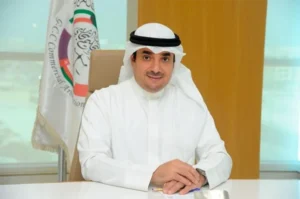
Tareq Yousef AlShumaimry, served as Chairman of the Finance Committee and Chairman of the General Budget Committee of the Permanent Court of Arbitration in The Hague (PCA) and an observer in the Administrative Council of the Court and the Consular at International Court of Justice (ICJ) and the Embassy of the State of Kuwait in the Netherlands during this period from 2013 to 2020. Email: tareq@alshumaimry.com