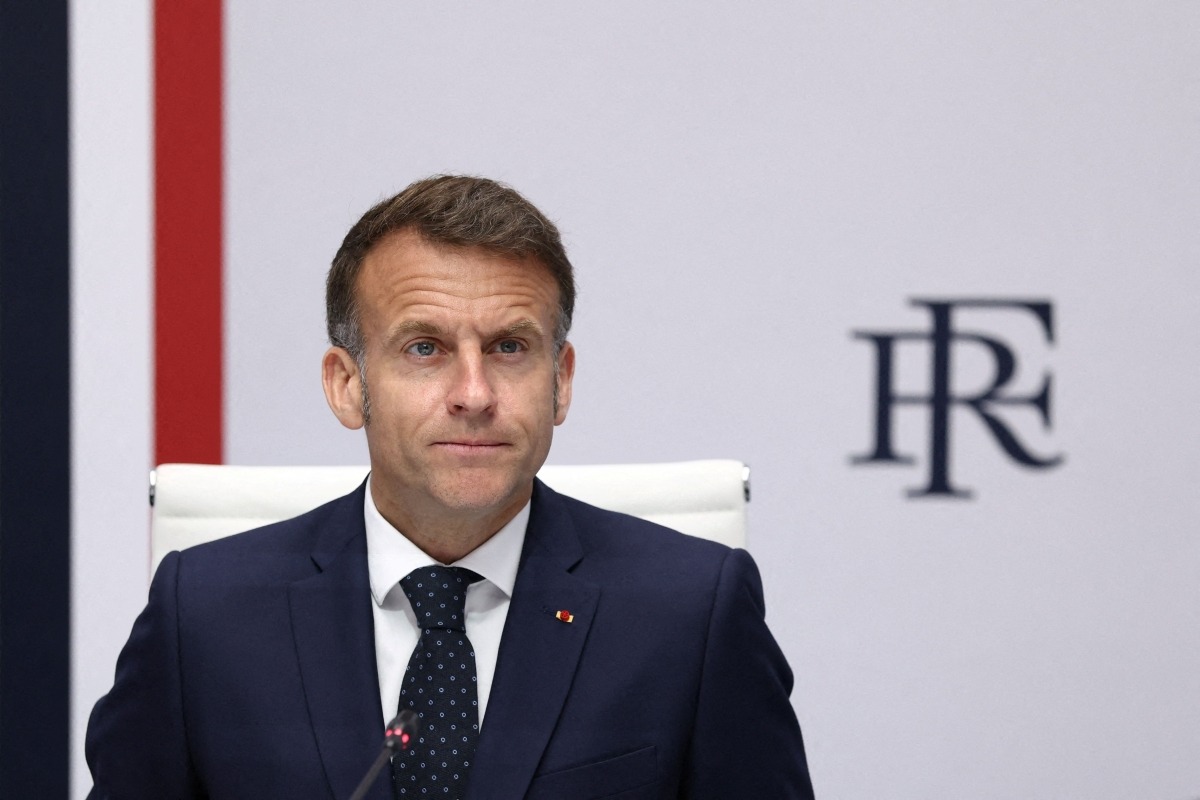
Emmanuel Macron announced on Wednesday that around 15 countries are preparing to participate in a coordinated effort to secure maritime navigation through the Strait of Hormuz, following the ceasefire agreement between the United States and Iran.
Speaking at the opening of a high-level defense meeting with government officials and advisors, Macron said the initiative is being mobilized under French leadership and in coordination with Tehran, reports Al-Rai.
“Approximately 15 countries are currently being brought together… to implement a purely defensive mission aimed at facilitating the safe resumption of navigation,” he stated.
Securing a Critical Energy Lifeline
The move comes as global attention remains fixed on the Strait, a vital maritime corridor through which nearly 20% of the world’s oil supply flows.
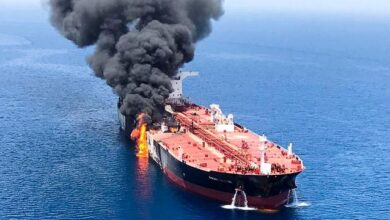
The recent conflict and temporary disruption to shipping exposed the vulnerability of global energy markets to geopolitical tensions in the Gulf.
Macron welcomed the ceasefire, describing it as a necessary step toward de-escalation, but stressed that broader regional stability must remain a priority.
Lebanon in Focus
Meanwhile, the French president underscored the urgency of extending diplomatic efforts beyond the Gulf, calling for Lebanon to be included in the framework of de-escalation, warning that conditions there remain highly fragile.
His remarks came amid reports of renewed Israeli airstrikes targeting areas in Beirut, highlighting the risk of the conflict spilling into multiple fronts.
Fragile Truce Holds
The diplomatic push follows the announcement by Donald Trump of a two-week ceasefire with Iran, halting military operations. Tehran confirmed its acceptance of the truce and the reopening of the Strait to international shipping.
Trump also indicated progress on a broader framework, stating that agreement had been reached on several key points and expressing confidence in what he described as a “positive shift” in Iran’s stance.
Coordinated Maritime Security
The proposed multinational mission signals a shift toward collective maritime security, aimed at restoring confidence among global shipping operators and energy markets.
While details of participating countries and operational mechanisms remain under discussion, the initiative reflects growing international consensus on the need to safeguard one of the world’s most strategic trade arteries.
For now, the plan represents a cautious but significant step toward stabilizing maritime flows through the Gulf, contingent on the durability of the ceasefire and continued diplomatic coordination.