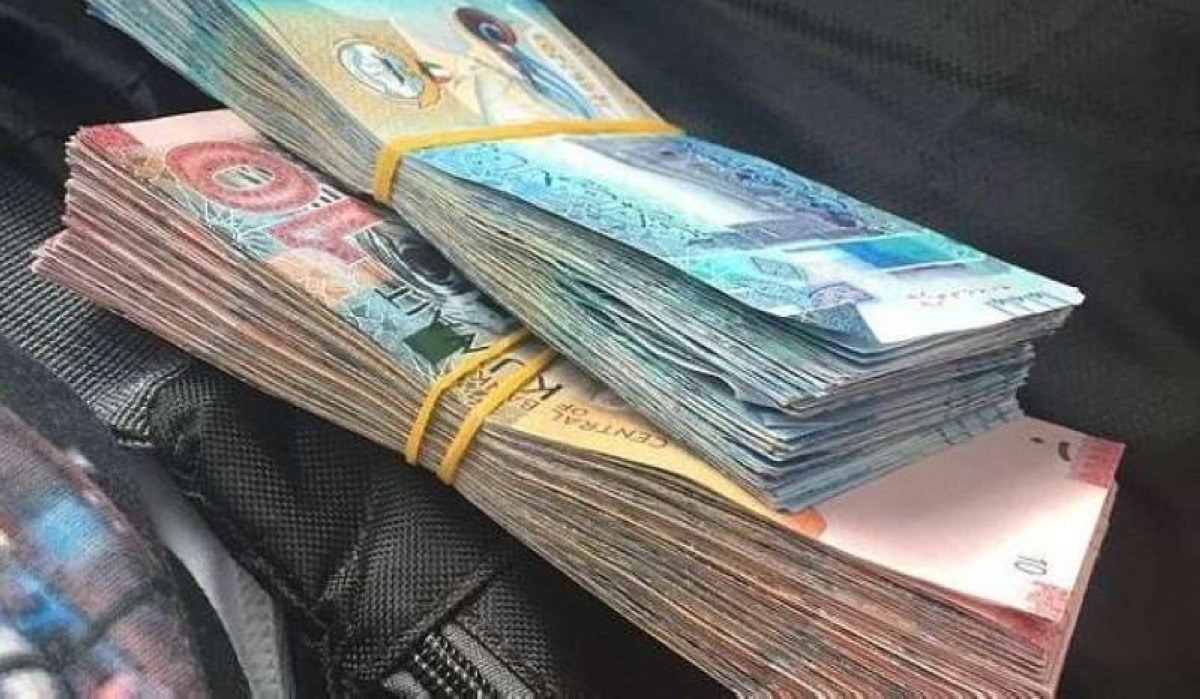
Exchange companies in Kuwait have reduced the maximum limits for personal money transfers made by customers through their electronic applications, as part of measures aimed at strengthening financial controls and increasing security and discipline in digital money transfer operations.
Some exchange companies have reduced the maximum limit to KD 3,000 per transfer per day, compared with a previous ceiling of up to KD 10,000. Other companies have set the limit at KD 2,500.
The changes represent a reduction in the maximum amount permitted for transfers conducted online by percentages ranging between 70 percent and 75 percent. The measures form part of a package of regulatory and operational procedures designed to strengthen financial oversight of money transfers conducted through digital channels.
Focus on Financial Fraud and Money Laundering Risks
The changes come amid a significant expansion in the use of money exchange applications and increasing competition among exchange companies to attract customers and make transfer transactions easier to complete.
This expansion has highlighted the need to strengthen the regulatory and operational controls governing electronic transfers. The measures are aimed at reducing the risks associated with financial fraud and the theft of customer data, while also closing potential loopholes that could be exploited for money laundering or the execution of illegal transfers.
Stronger Verification Procedures
Alongside the reduction in online transfer limits, exchange companies have strengthened procedures for verifying the purpose of transfers and supporting documents. The procedures also include verifying the customer’s identity, the actual beneficiary and the direction of the funds.
These measures are intended to increase the efficiency of follow-up procedures and enhance the transparency of money transfer operations. The new limits apply to all personal transfers made by customers through electronic applications, whether the customers are Kuwaiti citizens or residents.
However, the same restriction has not been imposed on transfers conducted in person at exchange company branches. Customers can make transfers involving higher amounts through company branches, provided that the required verification and compliance procedures are completed.
Direct transactions at exchange company branches allow company officials to carry out additional verification procedures. These procedures include confirming that the person requesting the transfer is the owner of the bank account and the source of the funds, as well as matching the customer’s identity and documents.
Officials can also verify the purpose of the transfer and the beneficiary. Direct verification at the branch therefore reduces the possibility of accounts or applications being used after they have been hacked, or of transactions being carried out using impersonated customer data.
The reduction in online transfer limits, together with strengthened verification procedures, therefore applies specifically to personal transfers conducted through electronic applications, while higher-value transfers remain available through exchange company branches after the required verification and compliance requirements have been fulfilled.