Global oil markets got a jolt as Brent crude briefly climbed to around $119 per barrel, driven by rising tensions involving Iran and disruptions at the strategically critical Strait of Hormuz, a key lifeline for global energy flows.
The spike follows Iran’s continued obstruction of maritime traffic through the Strait, in response to a US-led blockade targeting its ports. The unfolding crisis has heightened concerns over supply disruptions, with the Pentagon estimating the financial cost of the conflict at approximately $25 billion.
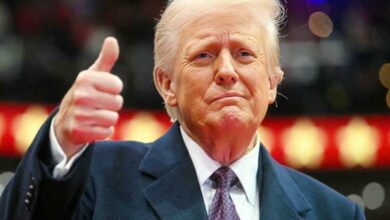
Amid mounting pressure, Donald Trump convened a high-level meeting with leading oil executives to assess market stability, production levels, and shipping challenges, reports dw.com.

Among those present was Mike Wirth, alongside senior administration officials including Scott Bessent, Susie Wiles, Steve Witkoff, and Jared Kushner.
Discussions centered on stabilizing global oil markets, which have been rattled by the ongoing US-Israeli confrontation with Iran. Rising fuel prices are increasingly viewed as a political liability ahead of the upcoming US midterm elections.
In another development, reports indicate that Trump has instructed aides to prepare for an extended blockade strategy against Iran. The approach aims to intensify economic pressure by restricting shipping routes to and from Iranian ports, with the objective of curbing Tehran’s oil exports while avoiding riskier military escalation.
Tehran, however, has issued a stern warning, signaling that continued enforcement of the blockade could trigger an “unprecedented” military response.
Iranian officials have described the naval measures as “maritime piracy,” asserting that restraint thus far has been exercised to allow room for diplomacy.
According to Iranian sources, patience is nearing its limits, and any sustained blockade around the Strait of Hormuz could provoke a “punishing” retaliation, raising fears of a broader regional confrontation with far-reaching global economic consequences.