Kuwait showcases AI, digital judicial inspection system at Arab meeting in Oman
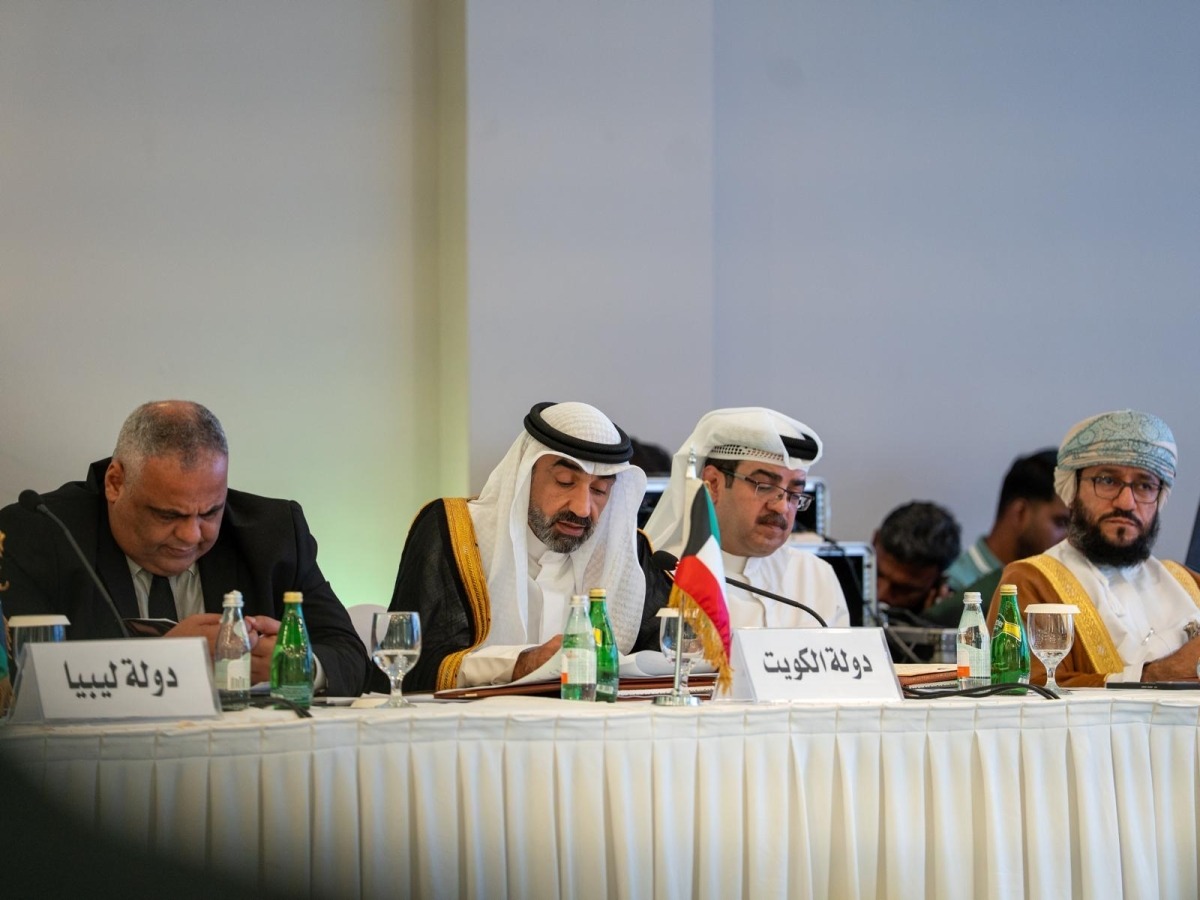
- Kuwaiti delegation recommended unifying procedural standards for judicial inspection across Arab countries and developing digital guidelines for measuring judicial performance.
- Proposed an Arab Award for Judicial Inspection, with recognition given to a successful electronic application demonstrating effective judicial inspection practices.
Kuwait has presented its experience in digital judicial inspection and technical oversight at a regional meeting in Oman, highlighting the use of technology to improve judicial performance, strengthen transparency and enhance the efficiency of inspection procedures while safeguarding judicial independence.
A Kuwaiti judicial delegation, headed by First Counselor at the Court of Cassation Khaled Bashir, took part in the 30th Arab Meeting of Heads of Judicial Inspection Bodies and Agencies in Oman. The meeting focused on developing modern oversight and evaluation mechanisms and exchanging Arab expertise in judicial inspection.
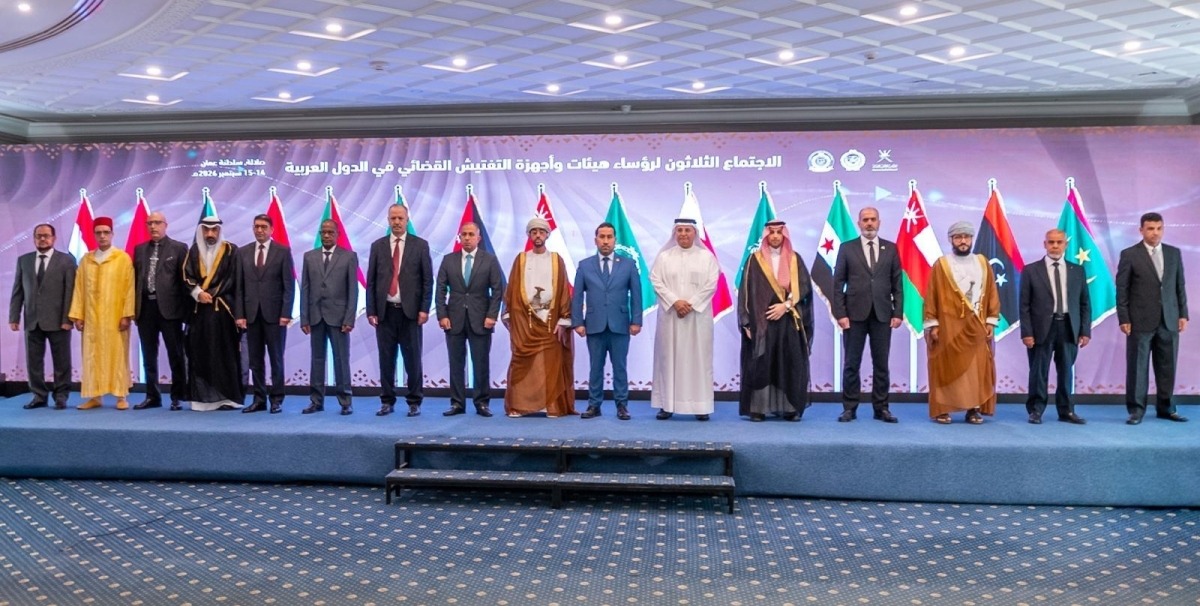
Bashir said the discussions examined the shift from traditional inspection to preventive oversight, alongside methods for evaluating court performance and using smart technologies in legal research and data processing. Participants also addressed challenges including algorithmic bias and the protection and confidentiality of judicial files.
The Kuwaiti delegation presented a paper titled “Digital Judicial Inspection System and the Application of Modern Performance Indicators to Ensure Effective Justice.” The paper examined Kuwait’s experience in using digital tools to strengthen judicial supervision, governance and transparency as the country’s judicial system undergoes digital transformation.
Bashir said Kuwait’s experience includes the electronic conversion and organized archiving of documents, records, statements and judgments across all levels of litigation. Judicial case files are stored in protected databases, with access restricted to authorized personnel, allowing inspectors to review files comprehensively and prepare inspection reports more efficiently.
Digital connectivity between courts and the judicial inspection body has also enabled inspectors to move beyond traditional assessments toward broader evaluations based on accurate and accessible information, he said. Bashir also highlighted legislative developments in Kuwait following the adoption of the new Judicial Organization Law, which regulates judicial inspection and digital transformation. The framework introduces evaluation criteria related to judges’ compliance with electronic litigation and trials and their management of digital hearings.
The Kuwaiti delegation recommended unifying procedural standards for judicial inspection across Arab countries and developing digital guidelines for measuring judicial performance. It also proposed an Arab Award for Judicial Inspection, with recognition given to a successful electronic application demonstrating effective judicial inspection practices.
The meeting concluded with recommendations to adopt balanced systems for evaluating judges’ performance, establish objective and measurable standards, and link evaluation results to continuous training and professional development. Participants also endorsed the use of artificial intelligence as an assisting tool in assessing the quality of judicial judgments and inspection work, alongside appropriate legislative and ethical safeguards.
The participants approved the main themes for the 31st Arab Meeting in 2027, including comprehensive quality management in judicial institutions, balancing judicial independence with performance evaluation, smart justice, and developing a unified Arab framework for measuring the quality of judicial judgments and inspection systems.