Kuwaiti generosity, compassion crosses borders to cultivate life and hope
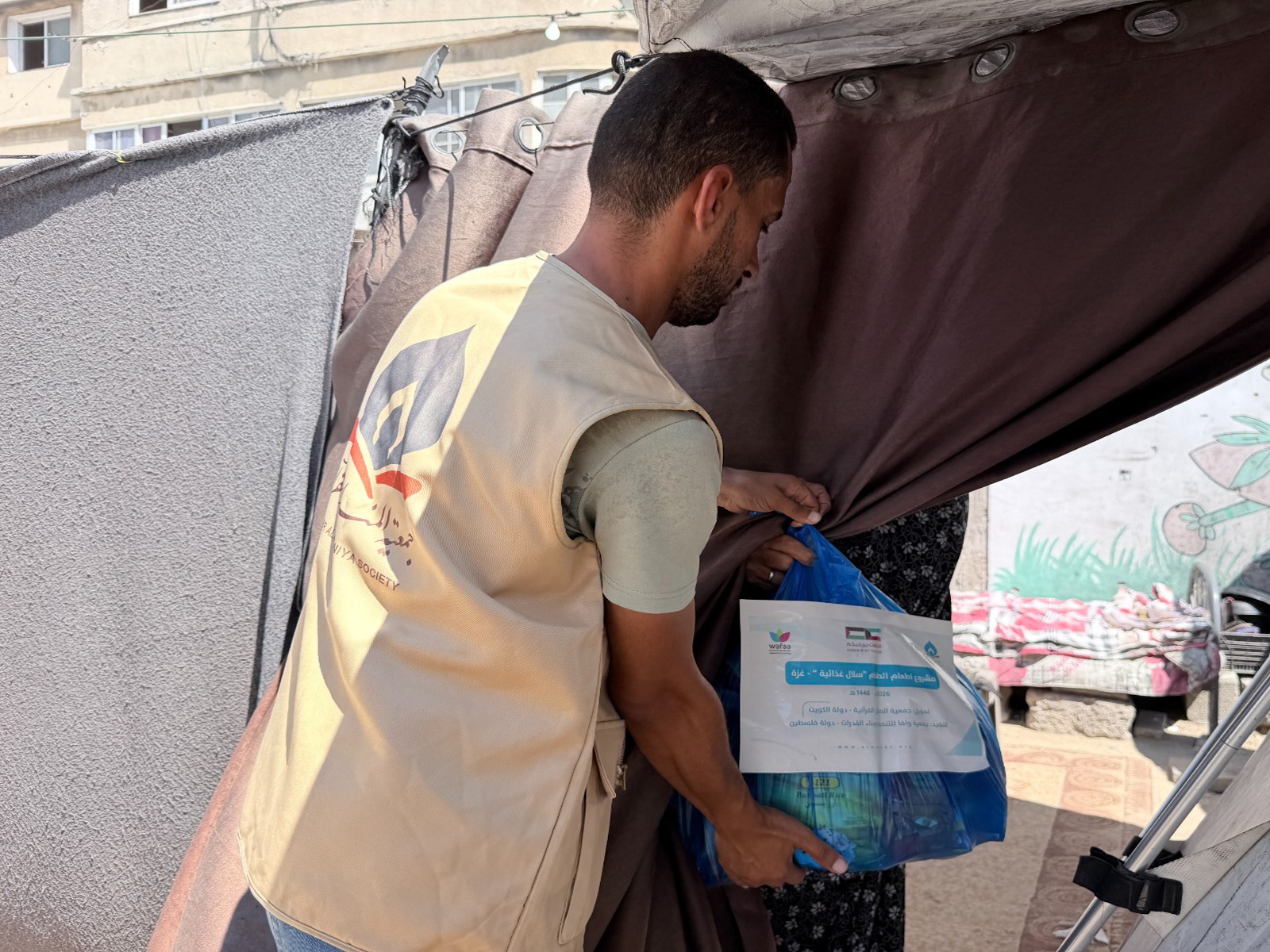
Under the “Kuwait Stands with You” campaign and the directives of His Highness the Amir, Kuwaiti humanitarian organizations continue to expand their relief and development efforts across several countries, providing support in education, healthcare, water, food security and emergency relief.
The initiatives reflect Kuwait’s longstanding humanitarian approach of combining immediate assistance with sustainable projects that seek to improve the lives of communities over the long term, says a report by the Kuwait News Agency.
In Zanzibar, Tanzania, Namaa Charity, affiliated with the Social Reform Society, continues to implement a range of educational and humanitarian projects. Its initiatives include the Kaf and Namaa Educational Complex, orphanages, Namaa School and a Quranic school, in addition to distributing food to families in need.
Namaa Charity Deputy CEO Abdulaziz Al-Kandari said the organization’s humanitarian and development projects are designed to create a sustainable impact by linking immediate relief with development and human-capacity building.
He stressed the importance of field monitoring in assessing the needs of beneficiaries and ensuring that assistance reaches those who need it most and achieves its intended objectives.
As part of its efforts in Tanzania, Namaa, in cooperation with Kaf Humanitarian in Bahrain, laid the foundation stone for a comprehensive educational complex.
During the field visit, Namaa also inaugurated an artesian well in a needy village, providing residents with a reliable source of water. Al-Kandari described water projects as among the most sustainable humanitarian initiatives, as access to clean water directly contributes to improved health, living conditions and community stability.
Kuwaiti humanitarian efforts have also extended to Yemen, where Namaa opened the Noura Health Center, built on an area of 205 square meters. The facility includes clinics for women, men and children, an emergency room, pharmacy, laboratory, reception area and other service facilities.
The Noura Health Center is expected to serve approximately 4,000 beneficiaries annually, helping bring essential medical services closer to communities facing limited access to healthcare. The project reflects the growing emphasis of Kuwaiti charitable organizations on establishing permanent facilities capable of addressing essential needs.
In the Gaza Strip, Namaa continues its “Goodness Quenches Their Thirst” campaign, distributing water tankers to displaced people in northern Gaza. The initiative comes amid severe humanitarian conditions and growing water needs, providing essential support to families struggling to access basic necessities.
In Chad, Namaa completed the Wadha Al-Anzi Islamic Center, which includes a mosque and a Quran memorization center. The organization also distributed copies of the Quran to beneficiaries, adding a religious and educational dimension to its humanitarian activities.
Al-Kandari said the diversity of Namaa’s initiatives, involving water, education, healthcare, relief and Quranic programs, demonstrates the comprehensive nature of Kuwait’s charitable sector. He emphasized that Kuwaiti giving is increasingly being translated into projects that create lasting benefits, such as schools that educate children, wells that provide water and health centers that deliver medical care.
Meanwhile, the Al-Manaber Al-Qur’aniyah Association has continued its humanitarian and charitable activities across several regions. Its projects include supporting widows and impoverished families in Palestine, providing drinking water to people in need in Africa, drilling wells in India, and implementing Quranic education programs.
Association Director General Dr. Muhammad Al-Omran said the association considers charitable work a responsibility toward communities in need and stressed that assistance should go beyond immediate relief. According to him, sustainable projects can provide long-term solutions and improve the living conditions of beneficiaries.
In Palestine, the association supported widows and distributed food baskets to impoverished families to help ease their financial burdens and enable them to cope with difficult circumstances. Its water projects included the distribution of 60,000 liters of water in Africa, while 30 wells were dug in India, providing communities with more sustainable sources of drinking water.
The association also continued its Quranic initiatives, including programs promoting memorization of the Holy Quran through the late Mutlaq Al-Qarawi Quran Memorization Competition. Al-Omran stressed that the continued support of the Kuwaiti people remains a key factor in expanding charitable and humanitarian projects and ensuring that assistance reaches those who need it.
Together, these initiatives illustrate the breadth of Kuwait’s humanitarian efforts and their growing focus on sustainable development. From water wells and schools to health centers, food aid and Quranic institutions, Kuwaiti organizations are seeking to transform charitable contributions into lasting improvements in people’s lives, reinforcing Kuwait’s role as a country committed to humanitarian solidarity and support for communities in need around the world.