The Times Kuwait Report
For many Indians, Kuwait began as a destination.
A job. A new opportunity. A chance to provide a better life for their families. But for generations of Indians, Kuwait became much more than that. It became a place where careers were built, children grew up, businesses were established and lifelong friendships were formed.
Over more than six decades, the Indian community has become an important part of Kuwait’s social and economic fabric. Indians can be found in hospitals and schools, on construction sites, in businesses and offices, in technology companies, hotels, shops and countless other workplaces across the country.
Their story, however, is not simply about employment. It is about people. People who left home with hopes and uncertainty. People who worked long hours, saved for their families and slowly built better lives. People who made sacrifices so that their children could have opportunities they themselves may not have had.
And over time, many of those individual journeys became part of Kuwait’s own story of development.
A relationship built over generations
The relationship between India and Kuwait did not begin with the arrival of modern expatriate communities. For centuries, the two societies were connected through trade and cultural exchanges. But the relationship grew considerably stronger after Kuwait’s independence and during the rapid economic development of the oil era.
As Kuwait transformed into a modern state, Indians became part of that transformation. Doctors, engineers, teachers, technicians, business owners and workers arrived from different parts of India, bringing with them different languages, cultures and experiences.
They came for different reasons. But many stayed long enough to call Kuwait home.
The people behind Kuwait’s healthcare
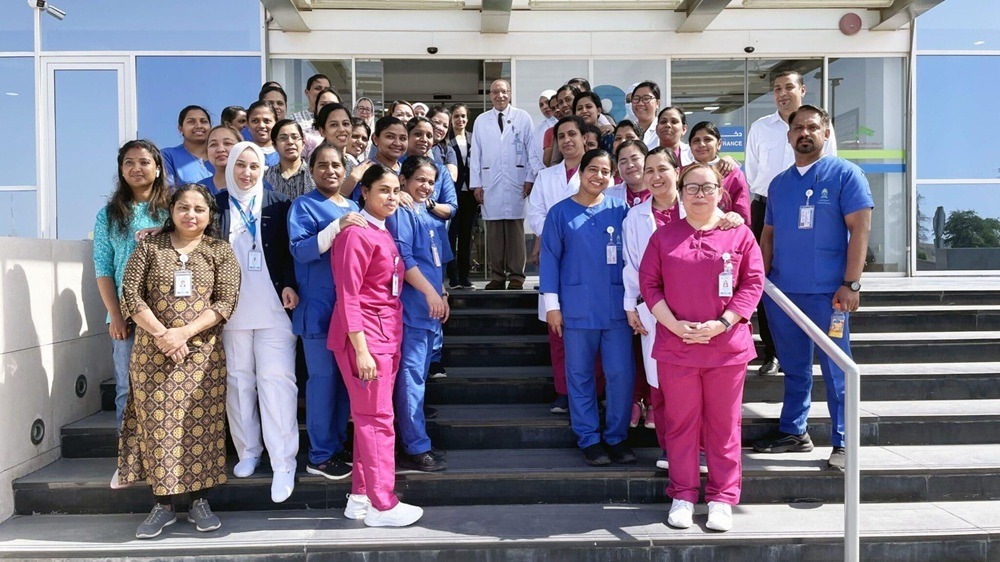
Walk into a hospital or clinic in Kuwait and there is a good chance that an Indian doctor, nurse, pharmacist or other healthcare professional is part of the team.
For decades, Indian healthcare professionals have served across Kuwait’s hospitals, clinics and medical institutions. Their work has involved much more than treating patients. It has required patience, professionalism and, often, compassion during some of the most difficult moments in people’s lives.
Many have also continued serving through challenging periods and health emergencies. For a patient, the nationality of the person providing care may not matter.
What matters is the person standing beside the hospital bed. That is where the contribution of the community becomes deeply human.
Teachers who shaped generations
The same can be said of education. Indian teachers have spent decades in Kuwait’s schools helping educate and guide generations of students. Indian schools have become not only places of learning, but also important centres of community and cultural life.
For many Indian families, the school experience is one of their strongest connections to both Kuwait and India. A teacher who enters a classroom every morning may never know how many lives that lesson will eventually influence.
But generations of students carry those lessons with them.

From small businesses to bigger dreams
The Indian business community has also grown considerably. What may have started decades ago as a small shop, trading business or family enterprise has, in many cases, developed into established companies operating across different sectors.
Indian entrepreneurs in Kuwait are active in retail, services, manufacturing, technology and trading, creating businesses and employment while strengthening commercial links between the two countries.
Behind every successful business, however, there is usually a personal story. There are risks taken, long working days, family sacrifices and the determination to keep going when things do not work out as planned.
That spirit of entrepreneurship has become another important part of the Indian community’s contribution to Kuwait.
The hands that helped build a modern Kuwait
Some contributions are easy to see. Others are hidden behind the buildings and infrastructure that people use every day.
Indian workers, engineers, supervisors and technicians have played an important role in construction and infrastructure projects, contributing to roads, residential developments, commercial centres and other vital projects.
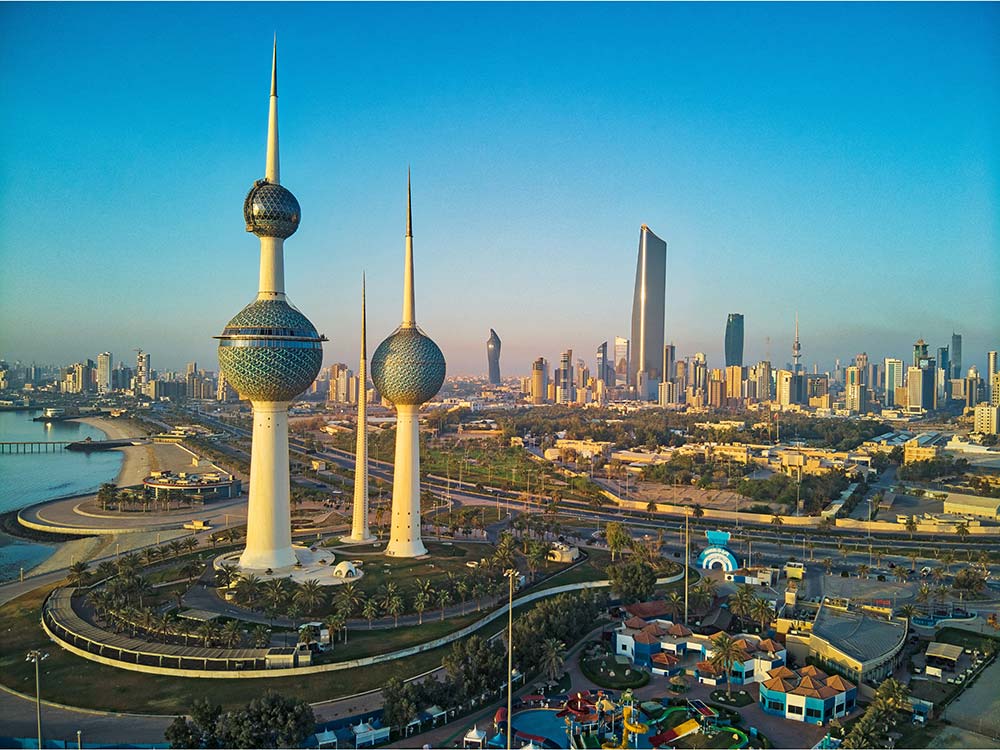
Behind Kuwait’s modern skyline are the efforts of thousands of people who worked to turn plans on paper into something real. Engineers helped design it. Technicians helped make it work. Workers helped build it.
Their names may not appear on the buildings they helped create, but their contribution is part of the country’s physical landscape.
A community entering the digital age
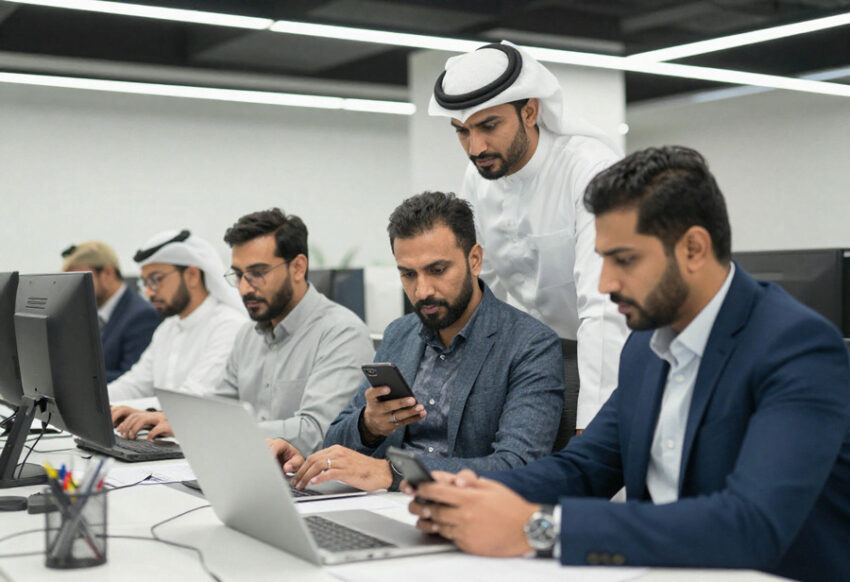
The Indian contribution is not limited to traditional sectors. As Kuwait moves towards greater digitalization, Indian IT professionals and specialists are increasingly contributing to areas such as software development, cybersecurity, data management and digital services.
The same community that once helped build physical infrastructure is now helping build parts of Kuwait’s digital future. And beyond technology, Indians remain an important presence in hospitality, retail, transportation, logistics and other services that support everyday life across Kuwait.
More than a workplace community
But to describe Indians in Kuwait only through their jobs would miss something important. Over the years, the community has built a rich social and cultural life of its own.
Community organizations, cultural associations and social initiatives have helped Indians maintain their traditions while also creating opportunities for greater understanding and friendship with Kuwaiti society.
There are celebrations, cultural programmes, charitable activities and community initiatives. There are also quieter connections friendships between neighbours, colleagues and families that do not make headlines but are just as important in bringing two societies closer.
The second generation
Perhaps one of the clearest signs of how deeply the community has put down roots is the emergence of second and even multiple-generation Indian families in Kuwait. Parents who arrived decades ago worked to create a foundation for their children.
Those children have grown up in Kuwait, attended its schools and built their own careers. Today, many are professionals contributing to both Kuwait and India.
Their story is different from that of their parents. Their parents came looking for an opportunity. Their children grew up surrounded by one. That is how a temporary migration can gradually become a multigenerational community.
A community that gives back
The Indian community has also demonstrated its sense of responsibility during times of need. Indian organizations and individuals have participated in charitable activities, humanitarian efforts and community support initiatives during emergencies and difficult periods.
This spirit of helping others is an important part of community life. It reflects an understanding that living in a country also means having a responsibility towards the society around you.
The women behind the story
The story of Indians in Kuwait would be incomplete without recognizing Indian women. Women professionals, doctors, nurses, teachers, entrepreneurs and others have contributed not only to workplaces but also to families and communities.
Many have balanced careers and family responsibilities while helping the next generation build its own future. Their contribution may sometimes receive less attention than it deserves, but it is woven deeply into the story of the community.
More than a workforce
It is easy to describe the Indian community in Kuwait as one of the country’s largest expatriate communities or as an important workforce.
But those descriptions do not tell the whole story. Behind the statistics are people. These individual stories, repeated over decades, have created something much larger. A community.
Two countries, one human connection
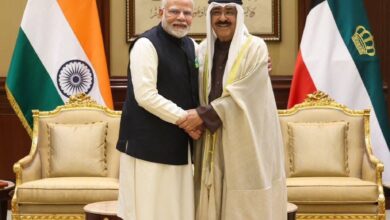
Kuwait has provided opportunities to generations of Indians. Indians, in turn, have contributed their skills, energy and dedication to Kuwait’s development. That relationship is built on something more enduring than economics. It is built on people.
As Kuwait moves towards greater economic diversification and technological development, Indians are likely to remain part of that journey in healthcare, education, technology, entrepreneurship, innovation and many other fields.
But perhaps their greatest contribution cannot be measured in numbers. It is the human connection they represent between two countries.
A living bridge between India and Kuwait
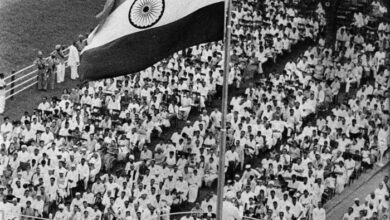
As India celebrates another Independence Day, the achievements of Indians living abroad form an important part of the country’s wider story.
The Indian community in Kuwait reflects the talent, diversity, resilience and determination of millions of Indians who have built lives beyond India’s borders.
Their journeys began with individual dreams. Some came seeking work. Some came to build businesses. Some came for a few years and stayed for decades. Some raised their children here. And some now watch their children and grandchildren build lives of their own.
That is what makes the story of Indians living in Kuwait so much more than a story of migration. It is a story of shared progress. A story of trust and friendship.
And above all, a story of people who, over generations, have helped build a living bridge between India and Kuwait.