Bollywood’s New Script
From Silver-Screen Dreams to a Global Cultural Force
The Times Kuwait Report
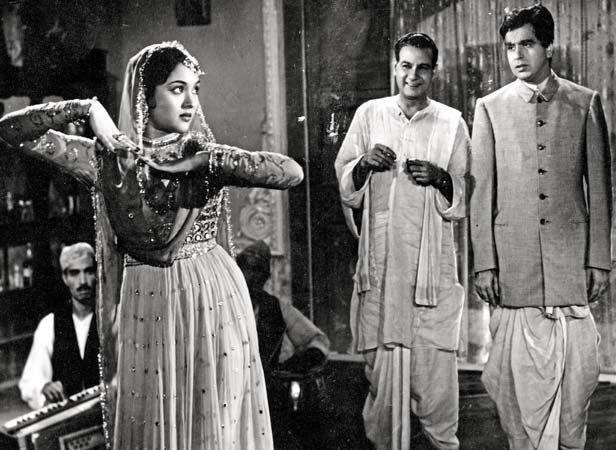
For generations, Bollywood has been much more than a place where films are made.
It has been a place where India has seen itself. Through black-and-white classics, romantic songs, family dramas and larger-than-life heroes, Hindi cinema captured the hopes and anxieties of a young nation. Over the decades, as India changed, its cinema changed with it.
Today, an Indian film can begin its journey in Mumbai and, within hours, find audiences in Dubai, London, Toronto, Singapore and far beyond. That transformation tells us something important.
Bollywood is no longer simply making films for India. It is increasingly telling Indian stories to the world.
And perhaps the most interesting part of Bollywood’s story today is not its stars or its box-office numbers. It is how willing the industry has become to reinvent itself.
An industry learning to change
For decades, Bollywood had a formula that audiences knew and loved. There were larger-than-life heroes, unforgettable songs, romance, family drama, humour and plenty of emotion.
Those ingredients have not disappeared. But today’s audiences are asking for more. They want characters who feel real. They want stories that surprise them. They are willing to watch films about subjects that earlier generations of mainstream cinema might have avoided.
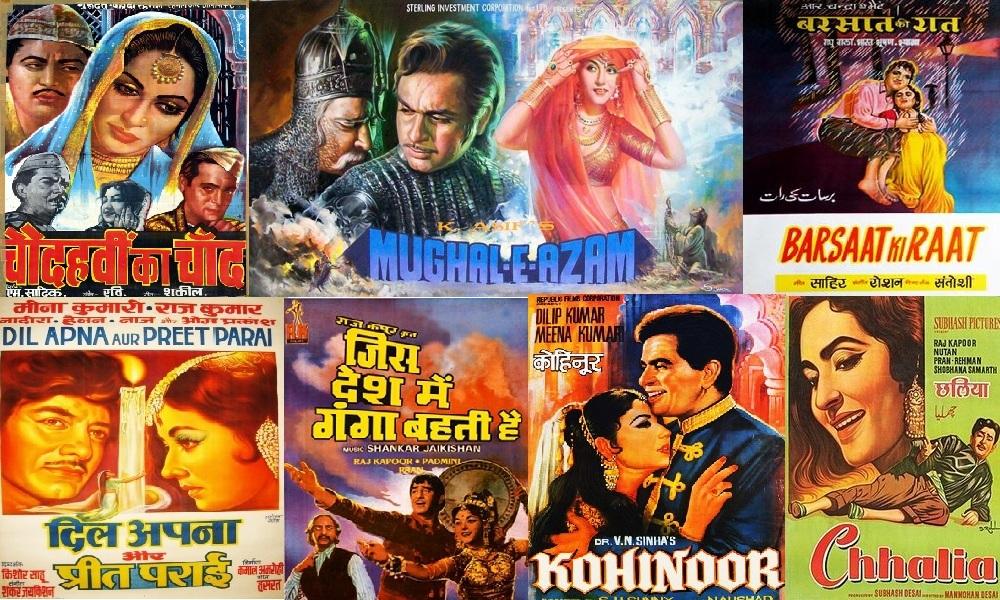
Filmmakers are responding with more experimental narratives, complex characters and stories that reflect a wider range of Indian experiences.
Streaming has accelerated that change
A story no longer has to wait for a traditional cinema release to find an audience. Films and series can reach viewers who may never have walked into a cinema hall, opening the door to stories that might once have struggled to find space on the big screen.
The audience itself has changed. Geography is no longer the barrier it once was.
The world is discovering Indian cinema
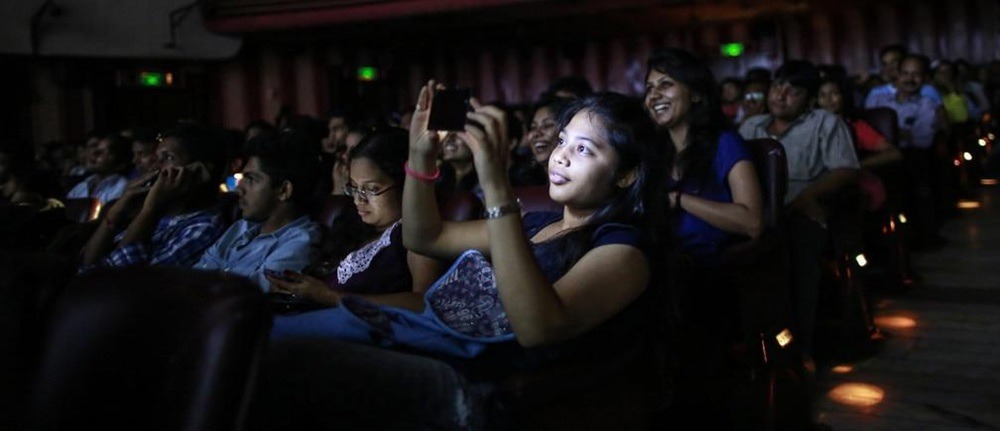
There was a time when Bollywood’s international audience was largely driven by the Indian diaspora. That connection remains powerful. Packed theatres in the Gulf, fan celebrations in North America and Europe, and generations of Indians abroad watching the same films and singing the same songs have given Hindi cinema a unique emotional reach.
But something else is happening now. People who have no Indian background are discovering Indian films too. Subtitles, streaming platforms and digital media have made it easier than ever for international audiences to explore Indian cinema. A film no longer needs to be understood in its original language to be felt.
Emotion travels, A powerful performance travels. A great story travels. And Indian cinema is increasingly discovering just how far its stories can go.
Bollywood is no longer the whole story
Perhaps one of the biggest changes in Indian cinema is that the word “Bollywood” no longer tells the whole story. Hindi cinema now exists alongside powerful film industries in Tamil, Telugu, Malayalam, Kannada and other Indian languages.
The success of films such as Baahubali, RRR, KGF and Pushpa has shown that language does not have to determine how far a story can travel. This is creating something bigger than Bollywood.
It is creating an Indian cinematic identity that is increasingly defined by the strength of the story rather than the language in which it is told. For audiences, that means more choice.
For filmmakers, it means more competition. And for Indian cinema as a whole, it means a much larger stage.
The star is no longer enough
For many years, the name of a superstar could be enough to bring audiences into a theatre. That is becoming less certain. Today’s viewers are increasingly rewarding strong scripts, fresh ideas and performances that feel authentic.
The change is visible in the kinds of stories being told and the people telling them. A new generation of actors, writers and directors is challenging established formulas and presenting a more complicated, more varied picture of India.
Women-led films are also receiving greater attention, with female characters increasingly being placed at the centre of major productions rather than simply filling supporting roles.
The message from audiences is becoming clearer: Give us a good story, and we will watch.
Technology is changing the way stories are told
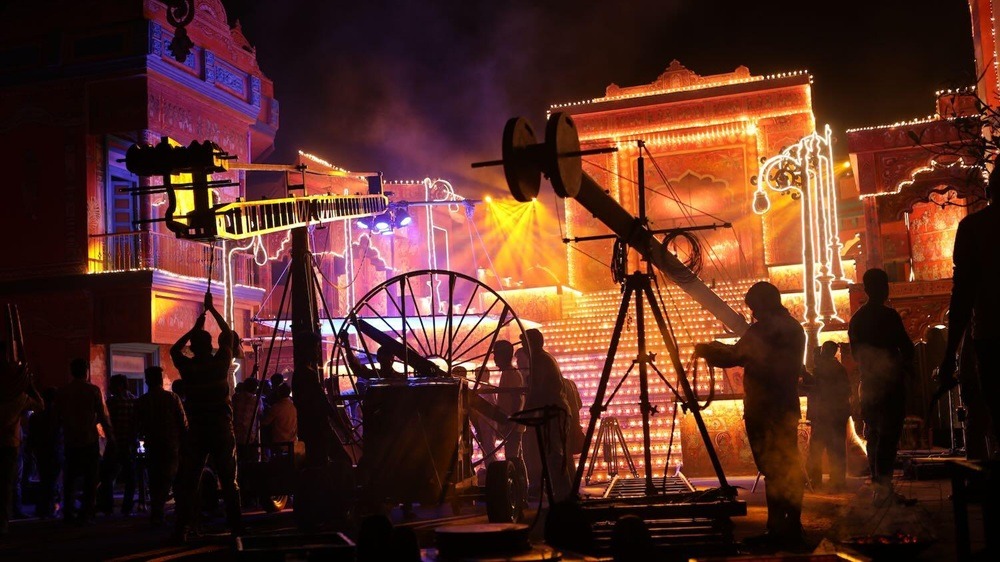
Behind the scenes, technology is transforming Indian filmmaking just as dramatically. Advanced visual effects, digital filmmaking tools and improved production techniques are allowing filmmakers to create worlds that once seemed impossible to put on screen.
The ambition has grown along with the technology. Indian productions are increasingly working with larger budgets, sophisticated visual effects and international collaborations as filmmakers look beyond domestic audiences.
But technology is not only changing what audiences see. It is changing how they discover films. A trailer can become a global talking point within minutes. A song can go viral before the film reaches theatres.
A behind-the-scenes clip can turn an actor or director into a global social-media personality. The relationship between a film and its audience has therefore become continuous. The film’s journey now begins long before opening night and can continue long after the credits roll.
The next Bollywood story
So where does Indian cinema go from here? Perhaps the answer lies not in bigger stars, bigger budgets or even bigger box-office records. It lies in better stories. Bollywood has always reflected India its struggles, celebrations, ambitions, contradictions and dreams.
That role is becoming even more important as Indian cinema reaches audiences who may know little about the country but are willing to discover it through a story. A film can introduce a person to a language.
A song can make someone curious about a culture. A character can make a distant country feel familiar. That is the quiet power of cinema.

From Indian imagination to a global language
As India celebrates another Independence Day, Bollywood represents one of the country’s most remarkable cultural journeys. An industry born from Indian imagination has grown into a global storytelling force.
Its reach is no longer measured simply by how many people sit inside Indian cinemas. It is measured by how many people, in how many countries, are willing to laugh with its characters, cry with them, sing their songs and recognize something of themselves in their stories.
The lights may shine on the stars. The cameras may capture the spectacle. But the real power of Indian cinema has always been something simpler. A good story.
And India’s stories are travelling farther than ever before.