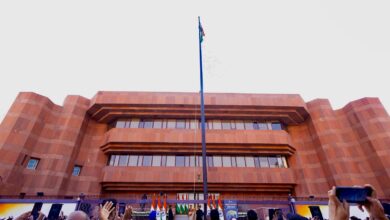
India@80: The Story of a Rising Nation
Built on Determination, Driven by Development and Guided by a Vision for Tomorrow
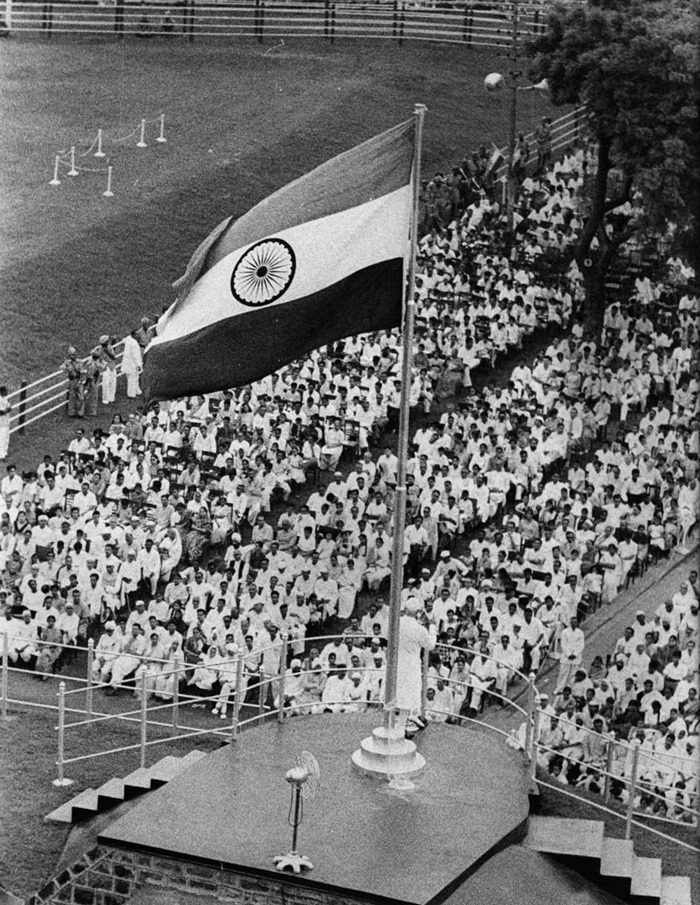
Every country has a story of where it came from. India’s story is also about where it is going.
As India marks its 80th Independence Day, the country has travelled a remarkable distance from the newly independent nation of 1947 to one of the world’s most dynamic economies and increasingly influential global powers.
But numbers and rankings alone do not tell that story. Behind India’s transformation are more than 1.4 billion people farmers and engineers, entrepreneurs and workers, scientists and students, professionals and small business owners each contributing in their own way to a country that has spent nearly eight decades building, adapting and moving forward. The journey began with freedom. It was followed by something perhaps even more difficult: Building a nation.
Freedom was only the beginning
When India became independent on August 15, 1947, the celebrations were accompanied by enormous challenges. The country faced economic hardship, limited industrial development, low literacy and the difficult task of creating a stable system of governance for an extraordinarily diverse population.
There was no ready-made roadmap. India had to create its own. The country chose democracy as the foundation of that journey. The Constitution, adopted in 1950, established India as a sovereign democratic republic and laid the foundations for a political system built around equality, justice and representation.
From there, the work of nation-building began. Industries had to be created. Roads and infrastructure had to be built. Education had to expand. Scientific institutions had to be established. The country also had to work towards greater self-reliance in critical sectors. The progress was gradual. But it was steady.
Democracy became part of the journey
Perhaps one of India’s most important achievements has been its ability to sustain the world’s largest democratic system. Elections became a regular part of national life and peaceful transfers of power demonstrated the continuity of democratic institutions.
For a country of India’s size and diversity, democracy was never going to be simple. Yet it became part of the country’s identity. It provided a framework through which people with different languages, cultures, beliefs and aspirations could participate in shaping the nation’s future.
1991: A turning point
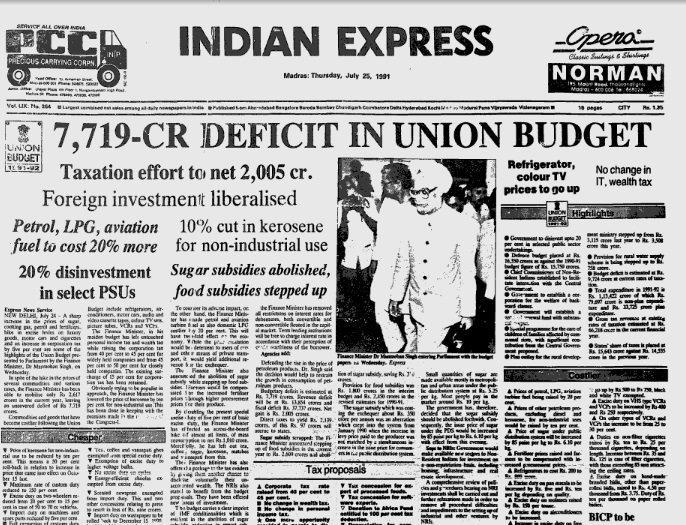
If independence marked the beginning of India’s political journey, the economic reforms of 1991 marked another major turning point. India opened its economy, encouraged private enterprise, attracted foreign investment and began connecting Indian businesses more closely with global markets.
The changes did not happen overnight. But over time, they helped reshape the Indian economy. Industries expanded. The consumer market grew. India’s workforce became increasingly connected to global opportunities, while international trade and investment became a more important part of the country’s economic story.
The India that emerged from this period was more outward-looking, more connected and increasingly confident.
From computers to a digital India
One of the clearest signs of that transformation can be seen in technology. India has become a major global hub for information technology and digital innovation, with Indian companies and professionals contributing to fields ranging from software and artificial intelligence to cyber security and advanced services.
But the technology story is not only about companies operating around the world. It is also about ordinary people at home. Digital platforms have changed how millions of Indians access services, make payments and participate in the economy. They have also helped extend banking and government services into both urban and rural communities.
For many people, the transformation is experienced not in a technology park or corporate office, but through a phone in their hand. That is when development becomes personal.
A generation ready to build
India’s startup ecosystem has grown rapidly, with young entrepreneurs creating businesses and solutions across fintech, healthcare, education, agriculture, clean energy and e-commerce. This entrepreneurial energy is closely linked to another of India’s greatest assets: Its young population.
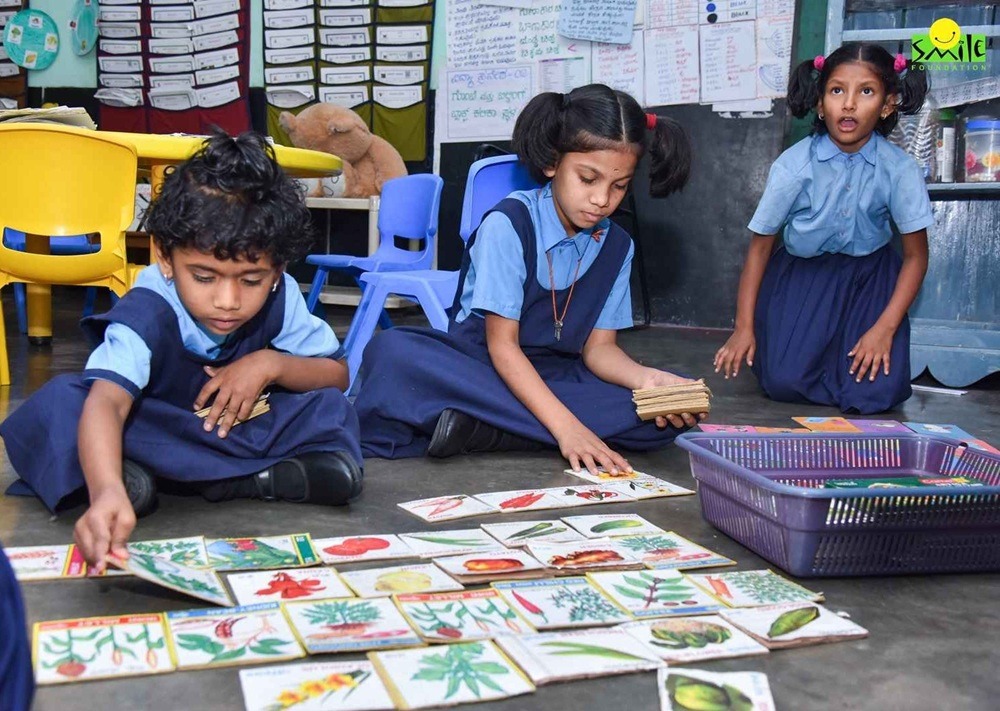
A large and youthful workforce gives the country an opportunity to innovate, create businesses and develop new skills. Education, skills training and technology are increasingly important in preparing this generation for the opportunities and challenges ahead.
The future of India, in many ways, is being shaped by young people who have grown up in a very different country from the one their grandparents knew.
Reaching for the stars
Few developments capture India’s changing ambitions better than its space programme. The Indian Space Research Organization has developed satellites, launched missions and demonstrated India’s growing capabilities in space technology.
But the importance of India’s space programme goes beyond national pride. Space technology supports communications, weather forecasting, navigation, disaster management and scientific research.
Lunar exploration has also demonstrated India’s ability to take on complex technological challenges. For a country that once struggled to meet some of its most basic developmental needs, reaching into space carries a powerful symbolism. India is no longer simply asking how to catch up. It is increasingly asking what it can achieve next.
Building the India of tomorrow
The transformation is also visible on the ground. Highways, railways, airports, ports and urban infrastructure are expanding and improving connectivity across the country.
At the same time, India is investing in renewable energy, particularly solar and clean energy, as it tries to balance economic growth with the global need for greater environmental sustainability.
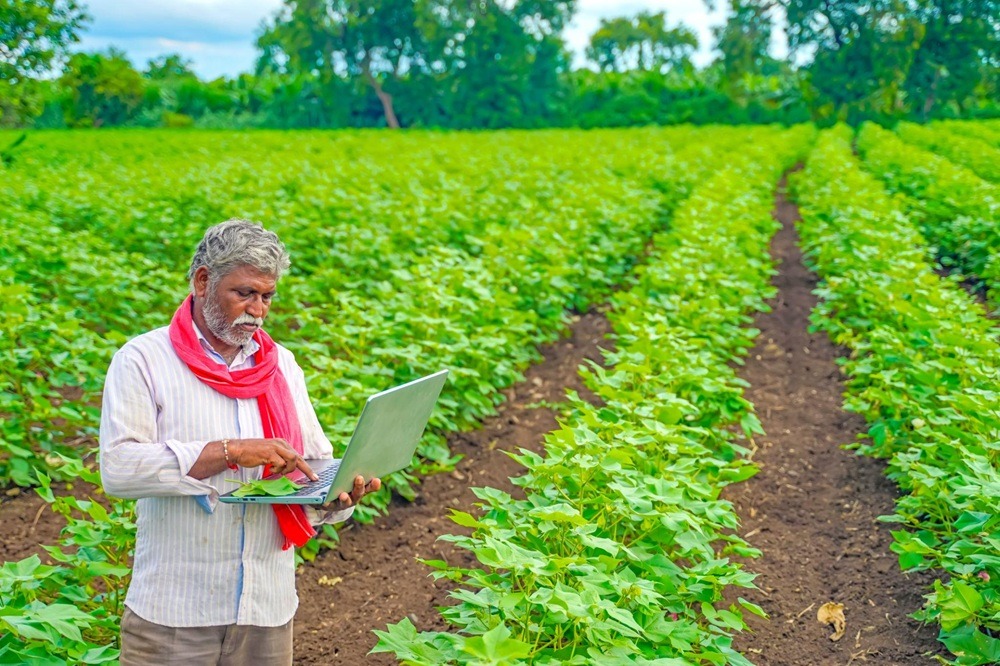
Agriculture, too, is changing. Technology, improved irrigation, modern farming practices and better access to markets are transforming a sector that remains central to the livelihoods of millions of Indians.
These changes may not always make international headlines. But they matter because development is ultimately measured not only by large projects, but by whether people’s everyday lives improve.
Healthcare with a global footprint
India’s pharmaceutical industry has also become globally recognized for producing affordable medicines and vaccines. At the same time, the country’s healthcare sector continues to expand through medical innovation, research and growing healthcare infrastructure.
It is another example of India’s transformation from a country focused primarily on meeting its own needs to one increasingly capable of contributing to the wider world.
Finding a bigger voice in the world
India’s transformation is no longer only an economic or technological story. Its voice on the international stage has also grown. The country participates actively in international organizations and forums, contributing to discussions on economic development, climate change, technology, peace and security.
Its relationships with countries across different regions are expanding through trade, diplomacy, technology cooperation and cultural exchanges. And there is another bridge connecting India to the world: Its diaspora. Millions of Indians living abroad contribute to the economies and societies of their adopted countries while maintaining strong cultural and economic links with India.
In many ways, they are an extension of India’s global story.
India’s influence is not only economic
India’s global presence cannot be measured only through GDP, technology or trade. Some of its strongest influence comes from culture. Yoga, cinema, cuisine, literature, traditional arts and festivals have travelled far beyond India’s borders and become familiar to audiences around the world.
This cultural influence gives India something that cannot easily be manufactured. It creates familiarity. People may first encounter India through a film, a meal, yoga or music and eventually become curious about the country itself.
The work is far from finished
For all the progress India has made, its journey is not without challenges. The country still has to create more employment opportunities, ensure that economic growth reaches more people, improve access to education and healthcare, and balance rapid development with environmental sustainability.
The next stage of India’s growth will therefore depend not simply on how fast the economy expands, but on how effectively the country invests in its people. Innovation will matter. So will education, skills, technology and sustainable development.
India@80: The journey continues
Eighty years after independence, India’s story is still being written. It began with a nation trying to find its feet after centuries of colonial rule.
It moved through institution-building, industrialization and economic reform. It entered the digital age, embraced entrepreneurship, reached into space and strengthened its presence on the global stage. Yet perhaps the most important part of the story is not any single achievement. It is the country’s ability to keep changing.
India has repeatedly adapted to new circumstances, embraced new opportunities and looked towards the next challenge. That is what makes India@80 more than a celebration of the past.
It is a moment to look forward.
The India of tomorrow will be shaped by its young people, its entrepreneurs, its scientists, its workers, its farmers and millions of citizens who continue to aspire to something better. The journey that began with freedom in 1947 has become a much larger story one of ambition, resilience, development and transformation.
And the next chapter is still waiting to be written.