The India-Kuwait Bond: A Partnership Beyond Oil
A shared journey of trade, trust and cooperation enters a new era
The Times Kuwait Report
For a long time, when India and Kuwait were mentioned in the same conversation, one word was almost certain to come up: oil. And understandably so.
Kuwait has been an important energy supplier to India for decades, helping support the growth of one of the world’s fastest-expanding economies. At the same time, India has provided Kuwait with something equally valuable people, skills and expertise that have contributed to the country’s development across generations.
But the relationship between the two countries has never really been only about oil. Behind the trade figures and energy contracts are people who have connected the two countries for decades. Indian professionals working in Kuwait, businesses operating in both markets, families with ties to both countries and cultural traditions shared across communities have given the relationship a human dimension.
That is why the India-Kuwait relationship has continued to evolve. What began with trade and energy is increasingly becoming a partnership built around trade, investment, technology, healthcare, food security, education and culture.
From oil to a broader partnership
Energy remains an important foundation. Kuwait has been a reliable supplier of crude oil to India, while India’s growing economy continues to require secure and dependable energy supplies.
But the world around both countries is changing. India is expanding rapidly and looking for new investment, technology and partnerships. Kuwait, meanwhile, is pursuing economic diversification and looking beyond traditional energy sectors.
That creates an opportunity. The next chapter of the relationship does not have to move away from oil. It can simply grow beyond it. Both countries are already looking towards areas where their economic strengths can complement each other and create new opportunities.
Trade remains the backbone
Trade continues to be one of the strongest pillars of the relationship. India is among Kuwait’s major trading partners, with commercial exchanges covering petroleum products, food, machinery, pharmaceuticals, chemicals, textiles and consumer goods.
But trade is not simply about products moving from one country to another. Every shipment represents businesses, workers, entrepreneurs and consumers on both sides. Indian businesses operating in Kuwait help connect the two markets, while Kuwaiti companies engaging with India gain access to one of the world’s largest and fastest-changing economies.
That commercial relationship has room to become even deeper as both countries look for new areas of growth.
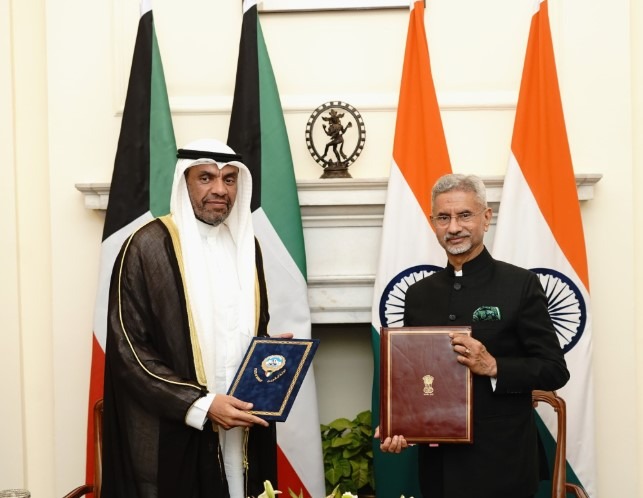
Investment: The next big opportunity
Investment could become one of the most important areas of the relationship in the years ahead. India’s continued economic expansion and Kuwait’s drive towards diversification are creating opportunities across infrastructure, manufacturing, logistics, technology, renewable energy and healthcare.
For Kuwait, India offers access to a large market, a growing economy and a strong pool of skills and entrepreneurship. For India, Kuwait represents an important Gulf partner with capital, regional connections and an economy seeking new opportunities beyond traditional energy.
The opportunity is therefore not simply to invest in each other’s economies, but to build partnerships that can create jobs, technology and long-term value.
The people who make the relationship real
Perhaps the strongest bridge between India and Kuwait is not a government agreement or a business contract. It is the Indian community. More than one million Indians live and work in Kuwait, contributing across healthcare, construction, education, business, engineering, hospitality and numerous professional fields.
Many Indian families have spent decades in Kuwait. Some have raised children here. Others have built businesses that have continued from one generation to the next.
This makes the community more than a workforce. It is a living connection between the two countries. And perhaps that is one of the greatest strengths of India-Kuwait relations: the relationship is experienced not only in government offices, but in workplaces, schools, hospitals, homes and communities.
A cultural connection that needs no translation
The relationship also extends well beyond economics. Indian festivals, food, cinema, music and traditions have become familiar parts of life in Kuwait, while many Kuwaitis have developed an appreciation for India’s enormous cultural diversity.
Culture creates a different kind of connection. A business agreement may define what two countries can do together. But a shared meal, a film, a festival or a cultural celebration can help people understand one another.
That kind of familiarity builds something that is difficult to measure but important to any long-term relationship: trust.
Food security: A partnership with practical value
Food security is another area where India and Kuwait have natural opportunities to work more closely. India has significant agricultural capabilities, while Kuwait has a continuing need for reliable and resilient food supplies.
The opportunity therefore extends beyond simply buying and selling food. The two countries can explore cooperation in agriculture, food processing, supply chains and technology-driven farming solutions.
In a world where food supply chains can be disrupted by climate change, geopolitical tensions and changing global markets, reliable partnerships matter. For both countries, food security is ultimately about something very basic: making sure people have access to food when they need it.
Healthcare: From expertise to innovation
Healthcare offers another natural area for deeper cooperation. India has developed considerable expertise in medicine, pharmaceuticals and healthcare services, while Kuwait continues to invest in improving medical services, research and innovation.
The relationship can therefore extend beyond healthcare professionals working in Kuwait. There is potential for greater cooperation in medical research, pharmaceuticals, technology and knowledge exchange.
The goal should not simply be to treat patients better today, but to build stronger healthcare systems for tomorrow.

Building a digital partnership
Technology may ultimately become one of the most transformative areas of India-Kuwait cooperation.
India’s experience in information technology, digital payments, artificial intelligence and startups offers opportunities as Kuwait accelerates its own digital development. This is an area where the two countries bring different but complementary strengths.
India has a vast technology ecosystem and a large pool of skilled professionals. Kuwait is investing in digital transformation and looking for ways to modernize services and diversify its economy.
Together, the two countries can explore partnerships that go beyond outsourcing and into innovation, entrepreneurship and technology development.
A greener future
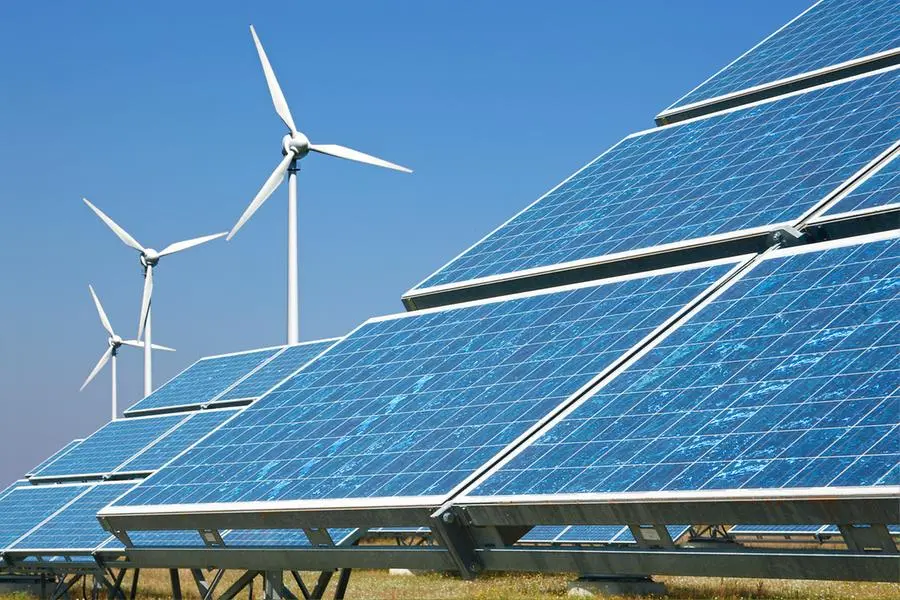
The energy relationship is also entering a new phase. Kuwait remains a major global energy producer, but it is also looking towards cleaner energy solutions. India, meanwhile, has developed significant experience in solar energy and green technologies.
This creates another area where cooperation can evolve. The future energy relationship between the two countries does not necessarily have to be about choosing between traditional energy and renewables. It can be about using today’s strengths to build tomorrow’s energy systems.
Investing in people
Some of the most important partnerships are built in classrooms and research institutions long before they appear in boardrooms. Education and knowledge exchange can provide another foundation for India-Kuwait cooperation.
Greater collaboration between universities, research institutions and training centres can help develop the skills both economies will need in the future. For India, that means creating more opportunities for its young population.
For Kuwait, it means developing the human capital needed for a more diversified, technology-driven economy. Knowledge, unlike a commodity, does not run out when it is shared. It grows.
A relationship built on dialogue
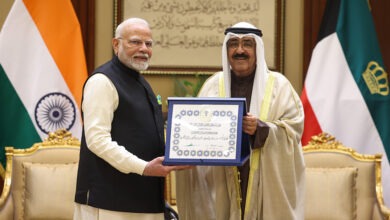
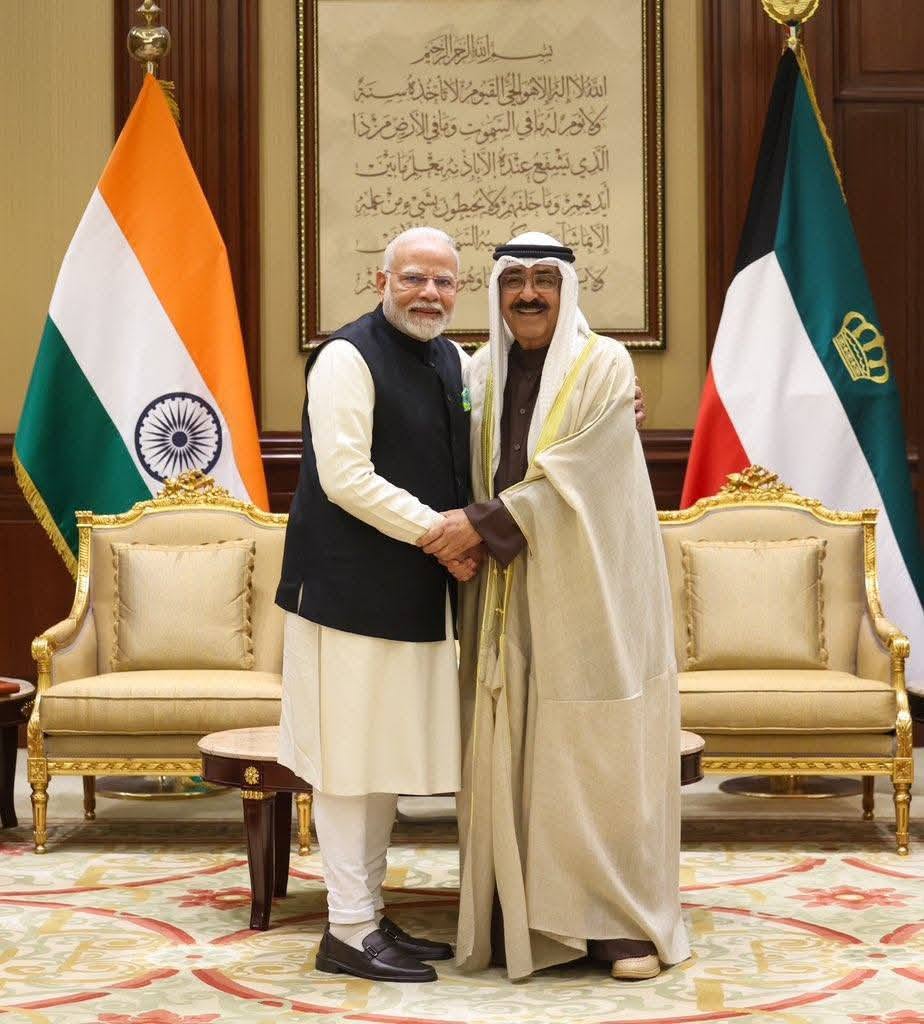
The strength of the India-Kuwait relationship is also reflected in sustained diplomatic engagement. Both countries have supported dialogue, cooperation and regional stability, while maintaining strong channels of communication.
As India’s economic and global role expands and Kuwait continues to play an important role in the Gulf, there is considerable scope for the relationship to become more diversified. The future partnership can increasingly focus on innovation, entrepreneurship, technology and sustainable development alongside traditional areas of cooperation.
From a historic friendship to a future partnership
India and Kuwait have something important in common. Both understand the value of sovereignty, peaceful coexistence, dialogue and international cooperation. But perhaps the strongest foundation is history.
The two countries have already spent decades building trust. Now they have the opportunity to build on it. As India marks 79 years of independence, its relationship with Kuwait reflects how traditional friendships can evolve with changing times. The partnership that once revolved heavily around oil and trade is increasingly opening doors to technology, investment, healthcare, education, food security and clean energy.
The next chapter will therefore not be written by oil alone.It will be written by people, ideas, investment, technology and shared ambition. India brings its talent, scale, entrepreneurship and growing global economic influence.
Kuwait brings its strategic position, resources, investment potential and role as an important Gulf partner. Together, they have the opportunity to build something broader than the relationship of yesterday.
A partnership that is not only about what India and Kuwait have achieved together, but about what they can still achieve. And that may be the most important story of the India-Kuwait relationship today.