The Pentagon is pushing US defense companies to dramatically accelerate weapons production as the military seeks to replenish depleted stocks of munitions used during the ongoing war with Iran.
Pentagon spokesman Sean Parnell said Saturday that the department is focused on increasing munitions procurement to ensure US forces have the weapons they need. He said the effort is part of a broader modernization drive that began before the five-month-old conflict.
Deputy Defense Secretary Steve Feinberg has given defense industry leaders 21 days to submit plans for significantly faster delivery schedules and increased production of critical weapons.
“Years-long development cycles are not acceptable,” Feinberg wrote in a memo obtained by The Washington Post, calling for an immediate expansion of production capacity.
The push comes after recent fighting with Iran further reduced US stocks of advanced missile interceptors, potentially increasing risks to American forces if hostilities resume.
A Center for Strategic and International Studies analysis warned that shortages could force the US and its regional allies to conserve air-defense missiles, potentially allowing more Iranian drones and missiles to penetrate defenses.
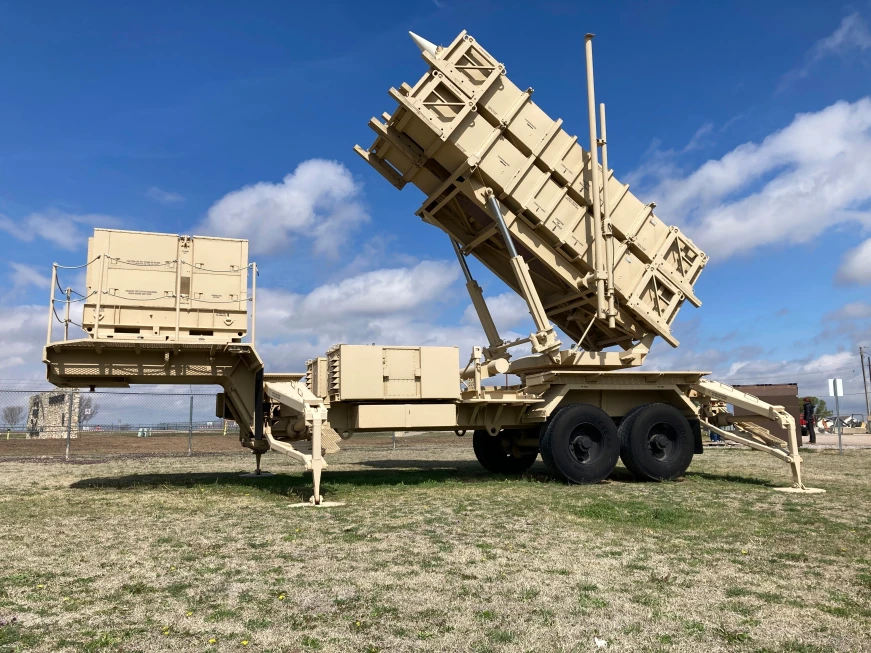
The US stockpile of Patriot interceptors has fallen sharply, from an estimated 2,330 before the war to between 759 and 827 following the latest fighting — a reduction of at least 65 percent.
THAAD interceptor stocks have also declined. The number fell from about 452 before the war to between 234 and 278, leaving inventories at least 38 percent below pre-war levels, AP reports.
President Donald Trump has rejected reports of a critical ammunition shortage, saying the US has “massive amounts” of weapons and that large quantities are being manufactured and shipped as needed.
Parnell confirmed that Feinberg’s memo is genuine and said it will help shape the fiscal year 2028 defence budget submitted to Congress. He said the initiative is consistent with efforts to rebuild the US defense industrial base.
The acceleration comes as Congress remains divided over defense spending. Lawmakers are considering the White House request to raise Pentagon spending to $1.5 trillion, compared with about $900 billion last year, amid opposition to the administration’s military action against Iran.