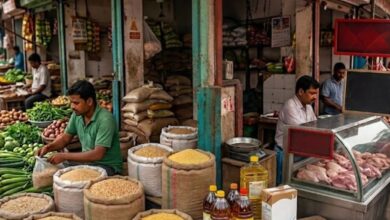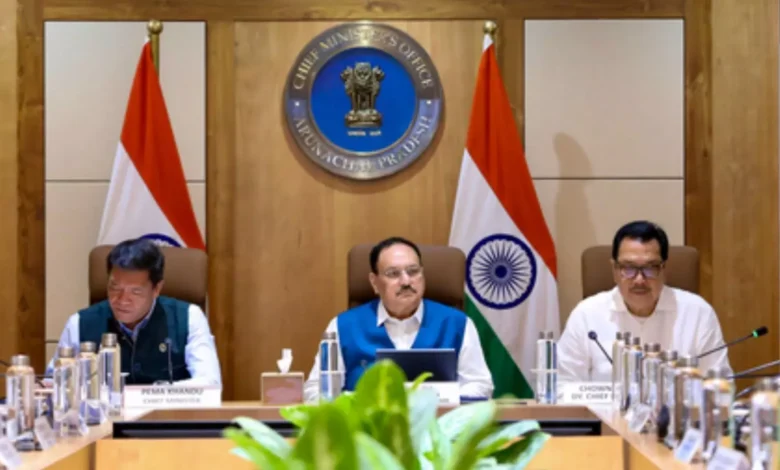
- For billions across the Global South, the ultimate goal is healthcare that is accessible, affordable and resilient, without pushing patients into financial hardship.
- BRICS cannot solve these challenges overnight, but pooling its diverse expertise and resources could provide a stronger foundation for universal health coverage and a faster response to future global health crises.
- Declaration identifies nine priority areas, including mental health, tuberculosis control, pandemic preparedness, traditional medicine and nuclear medicine. It emphasizes that countries can strengthen their health systems by sharing knowledge, technology and experience.
Healthcare challenges increasingly cross borders, from pandemics and chronic diseases to mental health concerns and unequal access to treatment.
Against this backdrop, BRICS countries are seeking stronger cooperation, shared expertise and more resilient health systems across the Global South.
The commitment was reinforced at the 16th BRICS Health Ministers’ Meeting, hosted by India in Chandigarh from July 22 to 24.
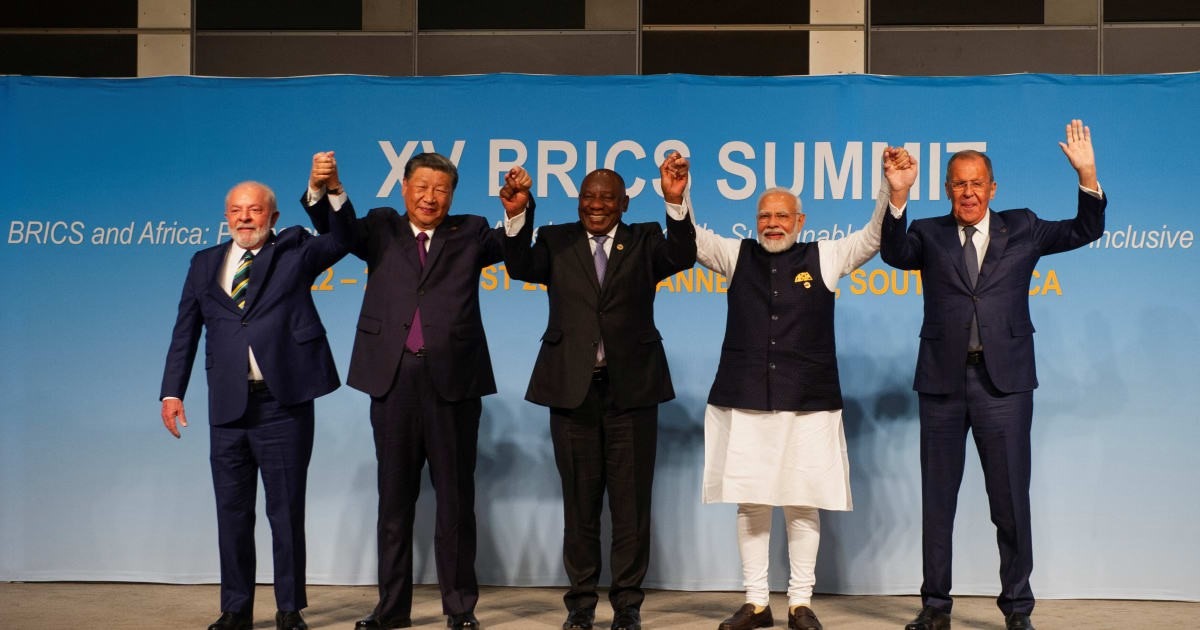
More than 70 representatives and partner organizations endorsed a declaration pledging deeper healthcare cooperation and renewed efforts toward universal health coverage (UHC).
The declaration identifies nine priority areas, including mental health, tuberculosis control, pandemic preparedness, traditional medicine and nuclear medicine. It emphasizes that countries can strengthen their health systems by sharing knowledge, technology and experience.
India’s Health and Family Welfare Minister Jagat Prakash Nadda called for greater collective action to strengthen public health systems, accelerate digital healthcare and expand access to medical services.
INDIA also highlighted its healthcare achievements, particularly Ayushman Bharat, one of the world’s largest publicly funded health insurance programs.
It provides eligible beneficiaries with access to advanced treatments including cardiac surgery, neurosurgery, cancer care and organ transplantation.
Other Indian initiatives, including the National Rural Health Mission and government-backed insurance programs, have helped expand primary healthcare and hospital services for economically disadvantaged communities.
BRICS members bring different healthcare models and experiences.
BRAZIL Unified Health System provides free healthcare to residents and visitors.
RUSSIA operates a state-backed mandatory health insurance system supported by an extensive public network.
CHINA has achieved near-universal basic health coverage through government-supported insurance schemes.
SOUTH AFRICA is pursuing its own National Health Insurance system, although implementation faces challenges including funding constraints, healthcare worker shortages, infrastructure gaps, legal disputes and concerns from parts of the private healthcare sector.
The BRICS experience demonstrates that achieving universal healthcare requires more than policy announcements. It depends on sustained political commitment, investment, skilled healthcare professionals, modern infrastructure and effective systems capable of reaching underserved communities.
The new declaration places particular emphasis on digital health, medical research, disease control, traditional medicine and pandemic preparedness. Cooperation in areas such as telemedicine, health data and digital records could improve access while making healthcare delivery more efficient.
Pandemic preparedness remains a key priority following the global experience of COVID-19, while cooperation on tuberculosis and mental health reflects the need to address both long-standing and emerging health challenges.
The World Bank has observed that though health system reform features prominently on the policy agenda of the original Brics countries, health care spending remains relatively modest.
For billions across the Global South, the ultimate goal is healthcare that is accessible, affordable and resilient, without pushing patients into financial hardship.
BRICS cannot solve these challenges overnight, but pooling its diverse expertise and resources could provide a stronger foundation for universal health coverage and a faster response to future global health crises.