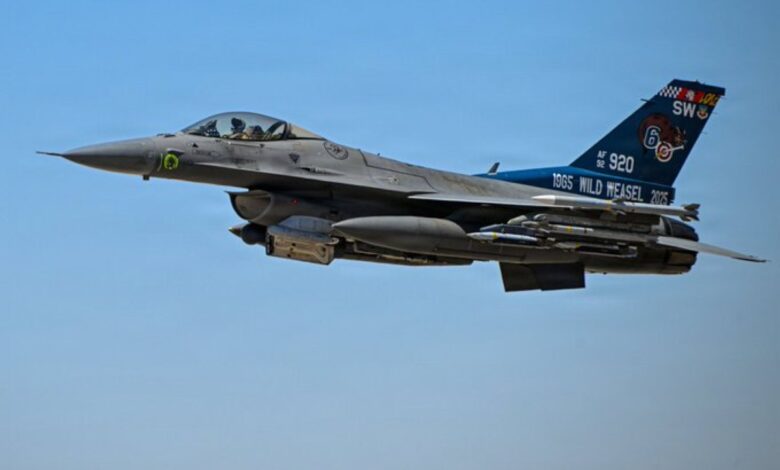
The US Central Command (CENTCOM) said American forces had conducted five hours of strikes targeting Iranian naval capabilities, missile and drone storage facilities, coastal surveillance sites and air defence systems.
CENTCOM said dozens of military locations across Iran had been targeted during July as part of ongoing operations, coinciding with renewed tensions over maritime security in the region.
In a sign that the US may be preparing for a broader campaign, Axios reported that Washington used a B-1 strategic bomber to strike targets inside Iran for the first time since fighting resumed.
The United States has also increased its military presence in the region by deploying additional aerial refuelling aircraft, medical personnel and strategic bomber assets, expanding its operational options.
Meanwhile, the US Senate rejected a Democratic-led resolution seeking to prevent military action against Iran without prior congressional authorization, according to news agencies.
The US State Department issued an urgent advisory to American citizens in the Middle East, urging them to exercise extreme caution and prepare for possible widespread disruptions.
The warning cited the possibility of flight cancellations, airspace closures and other travel disruptions due to increasing military tensions and exchanges of fire across the region.
Iran responded to Trump’s threats by warning that any attack on its infrastructure would trigger retaliation against oil, gas and electricity facilities as well as economic assets across the region.
Tehran also threatened to prevent the export of “even a single drop of oil” if Iranian infrastructure was targeted.
Iranian media quoted Revolutionary Guard missile commander Majid Mousavi as warning that regional power outages would become unavoidable if Iranian energy facilities were attacked.
Iranian Foreign Minister Abbas Araqchi said Tehran’s defence strategy was based on the principle of “an eye for an eye,” warning that any attack on Iran, including strikes against infrastructure, would receive a “strong and decisive response.”
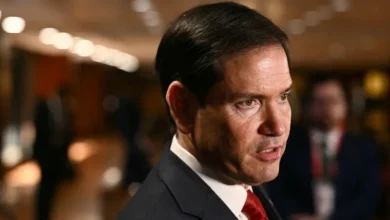
Responding from Manila, US Secretary of State Marco Rubio said Washington’s approach was different, declaring: “The president’s policy is head for eye.”
Rubio said Iran would continue to “pay the price” unless it agreed to a settlement, warning that the cost of confrontation would increase with each passing day.
The latest developments have heightened fears that the US-Iran confrontation could expand into a wider regional conflict, threatening energy markets, maritime routes and security across the Middle East.