17 warning signs added to Kuwait’s gold trade money laundering monitoring guide
- The indicators include customers refusing or delaying the submission of required identification documents, providing incomplete or inaccurate information, using false identities, failing to explain the purpose of transactions, or repeatedly changing personal or business details.
- Other warning signs include unusual secrecy regarding the source of funds, attempts to complete transactions quickly before verification procedures are completed, purchasing gold without concern for price or quality while focusing mainly on exchanging money, and aggressive or nervous behavior aimed at preventing staff from carrying out required checks.
The Ministry of Commerce and Industry has updated its guide for reporting suspected money laundering and terrorist financing activities in the gold, precious metals and gemstones trading sector, introducing a specialized list of warning indicators to help businesses identify and assess suspicious transactions.
The updated guide includes 17 indicators of suspicion covering customer due diligence, customer records and behavioral patterns.
The ministry said the measures are designed to strengthen compliance with anti-money laundering and counter-terrorist financing requirements and help businesses detect risks at an early stage.
The indicators include customers refusing or delaying the submission of required identification documents, providing incomplete or inaccurate information, using false identities, failing to explain the purpose of transactions, or repeatedly changing personal or business details.
Other warning signs include unusual secrecy regarding the source of funds, attempts to complete transactions quickly before verification procedures are completed, purchasing gold without concern for price or quality while focusing mainly on exchanging money, and aggressive or nervous behavior aimed at preventing staff from carrying out required checks.
The ministry said the indicators also cover risks related to beneficial ownership, legal entities, and sources of funds, intermediaries, geographical exposure, business relationships and transaction patterns.
It stressed that the presence of a single indicator does not automatically mean that a money laundering or terrorist financing crime has occurred. Instead, businesses must evaluate all available information and circumstances before deciding whether reasonable grounds exist to submit a report to the Financial Intelligence Unit.
The ministry also clarified that suspicious activity may involve a series of transactions or relationships rather than a single operation. Businesses are required to monitor links between previous reports and later transactions, including repeated involvement of the same customers, shared ownership structures or connected entities.
Reporting obligations also apply to attempted suspicious transactions, even if the transaction is cancelled or not completed. The ministry noted that customers withdrawing from a deal after being asked to provide information about the source of funds, beneficial owner or purpose of the transaction may represent a warning sign.
The ministry explained that gold, precious metals and gemstone traders must verify customer identities and beneficial owners when establishing business relationships or conducting transactions exceeding 3,000 dinars. Enhanced due diligence is required when suspicious indicators are identified.
It added that attempts to conduct cash transactions in the purchase or sale of gold and precious metals, following the ban on cash payments in the sector, may also be considered a suspicious activity requiring further review.
The Financial Intelligence Unit, which receives and analyzes suspicious transaction reports through the GoAML electronic platform, is responsible for conducting operational and strategic assessments. When sufficient evidence of suspicion is established, cases are referred to the Public Prosecution for legal action.
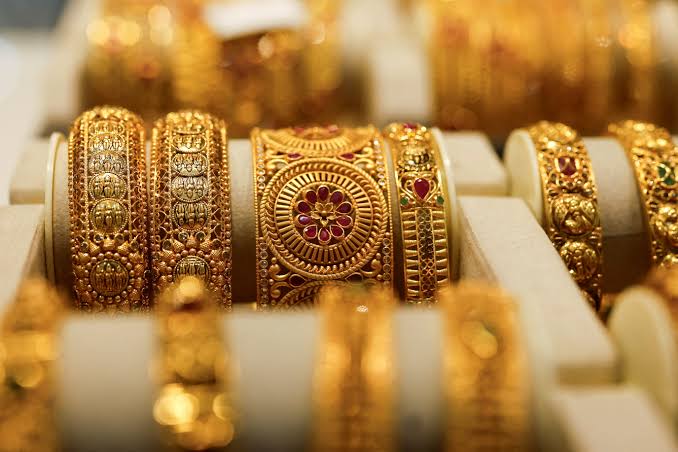
The ministry highlighted that the gold and jewelry sector is considered vulnerable to misuse in money laundering schemes due to the high value and portability of precious metals and stones.
Common methods include converting illegal funds into gold or jewelry, dividing transactions to avoid reporting requirements, using third parties or shell companies to hide the true beneficiary, issuing false invoices, and moving precious metals across borders to conceal the origin of funds.
The updated guidelines form part of Kuwait’s wider efforts to strengthen financial transparency and improve controls against money laundering and terrorist financing risks.