- The United States Geological Survey (USGS) has issued grim projections, estimating a 44 percent probability that fatalities could eventually rise to as many as 10,000 people, while there remains a 30 percent possibility that the toll could climb towards 100,000 under worst-case conditions.
Rescue teams in Venezuela are locked in a desperate race against time as fears grow that the death toll from Wednesday’s catastrophic twin earthquakes could rise dramatically in the coming hours and days, with experts warning that thousands more casualties remain possible as survivors are still believed trapped beneath collapsed buildings across several northern regions of the country.
The disaster has already claimed at least 164 lives and left nearly 1,000 people injured, according to interim President Delcy Rodríguez, but authorities and international seismic experts believe these figures represent only the beginning of what could become one of the deadliest natural disasters in Venezuela’s modern history, BBC reports.
The United States Geological Survey (USGS) has issued grim projections, estimating a 44 percent probability that fatalities could eventually rise to as many as 10,000 people, while there remains a 30 percent possibility that the toll could climb towards 100,000 under worst-case conditions.
Although these estimates are based on historical earthquake patterns and statistical modeling rather than confirmed casualties, they underscore the extreme scale of destruction feared by experts.
The devastating impact stems from the unusual combination of two massive earthquakes striking within less than a minute of each other.
The first quake measured 7.2 magnitude, followed almost immediately by a stronger 7.5-magnitude tremor — the most powerful earthquake to hit Venezuela in more than a century. Both quakes were shallow, occurring less than 25 kilometers below the Earth’s surface, intensifying the force of the shaking and dramatically increasing the risk of structural collapse.
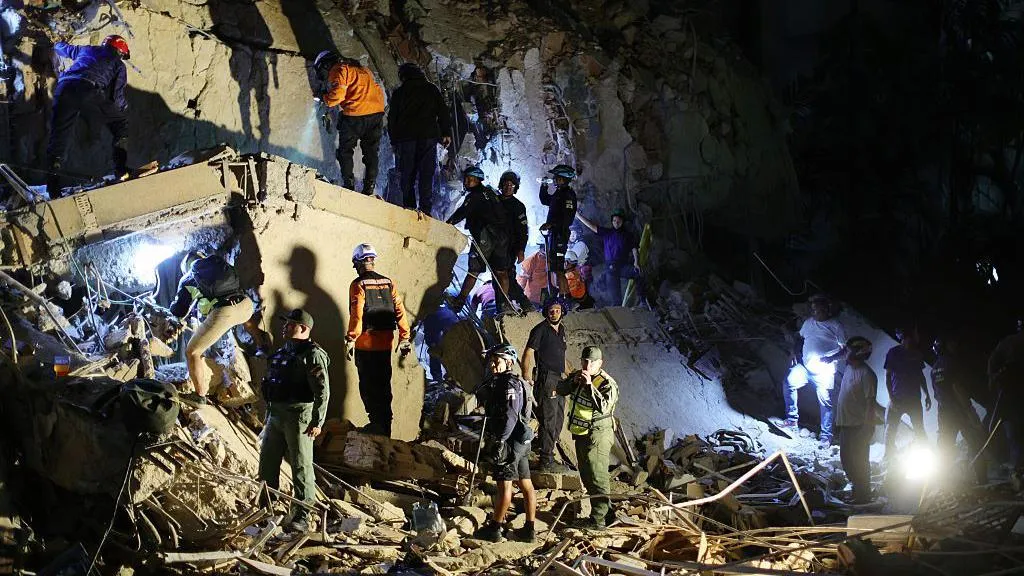
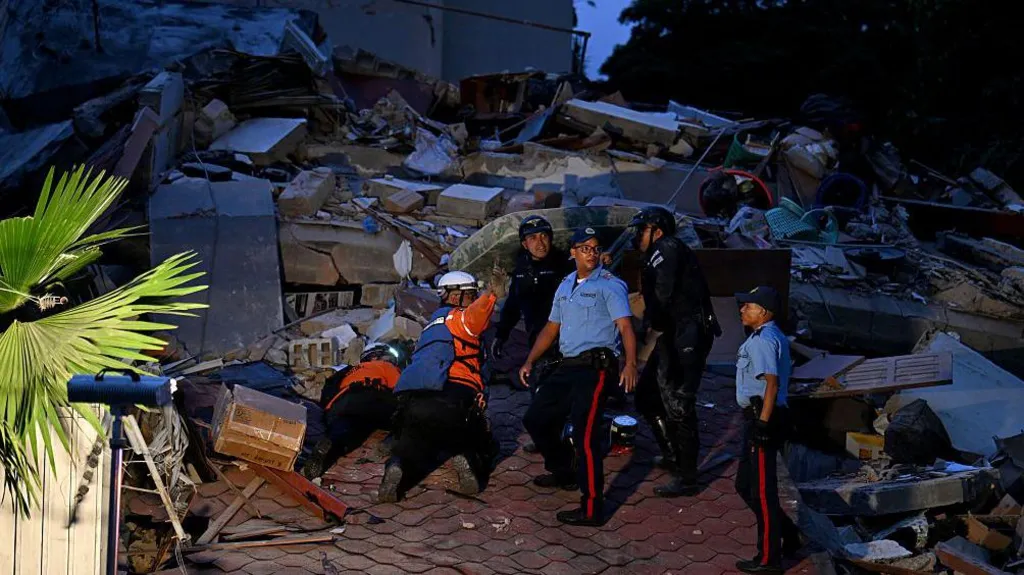
The worst devastation has been reported in La Guaira and parts of Caracas, particularly the neighborhoods of Los Palos Grandes and Altamira, where buildings crumbled as terrified residents fled into the streets. Emergency crews worked throughout the night searching through mountains of concrete and twisted metal, with fears that many victims remain buried alive beneath the rubble.
Adding to concerns over the final death toll is the vulnerability of infrastructure in the affected areas. According to the USGS, many structures in northern Venezuela were built using reinforced masonry and adobe materials that are highly susceptible to collapse during powerful earthquakes. The fact that the disaster struck during a national holiday also meant more families were indoors when the tremors hit.
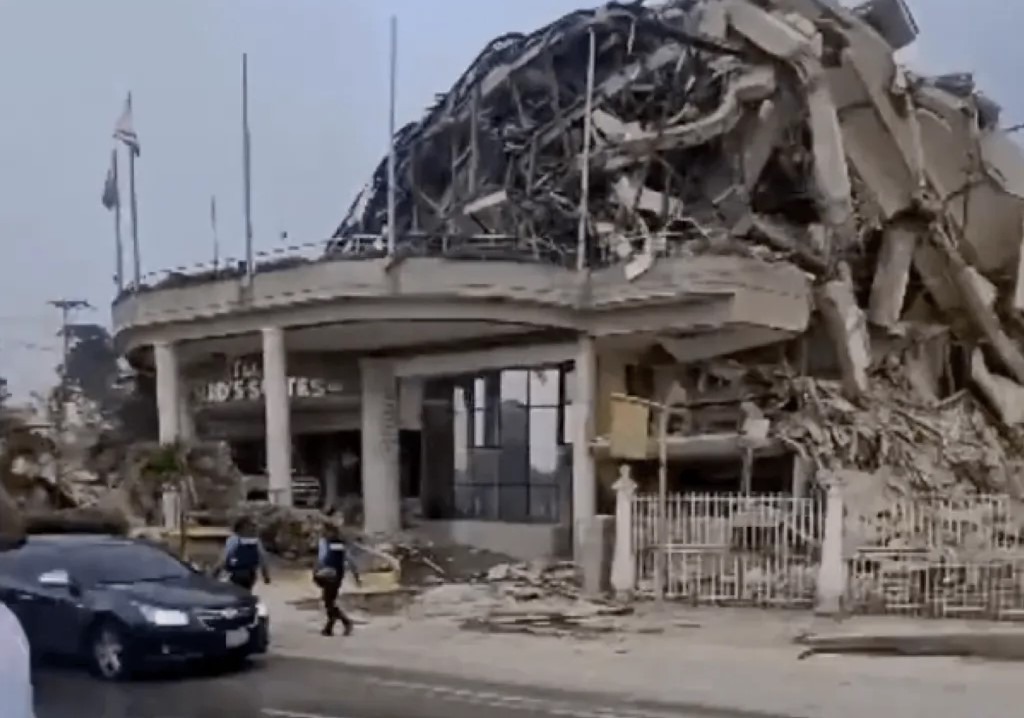
Images emerging from the disaster zone reveal scenes of widespread destruction, including collapsed apartment buildings, shattered roads, damaged hotels, and debris-filled streets. One verified video showed a 10-storey hotel in La Guaira reduced almost entirely to rubble, while rescue workers and volunteers continued pulling survivors from destroyed structures in darkness illuminated only by emergency lights.
Authorities have declared a nationwide state of emergency as aftershocks continue to shake the country. Transport networks, including metro, rail, and airport services, have been suspended, while fuel disruptions and internet blackouts have complicated rescue operations. Residents have been urged to stay outdoors due to fears of further collapses and damaged gas lines.
International assistance is rapidly mobilizing as the scale of the catastrophe becomes clearer. The United States has deployed search-and-rescue teams and humanitarian aid, while several Latin American countries, including El Salvador, Mexico, Ecuador, Brazil, Chile, and the Dominican Republic, have pledged emergency support and specialist rescue personnel. The United Nations has also confirmed full mobilization of humanitarian resources.
While officials remain focused on saving survivors, experts caution that the coming 48 hours will be critical in determining the true human cost of the disaster. With thousands potentially displaced, communications disrupted, and entire neighborhoods still inaccessible, Venezuela now faces an immense humanitarian challenge as rescuers continue their urgent search for life beneath the ruins.