- The authority is also pursuing opportunities to develop and manage strategic state-owned assets through private sector participation, including projects at Al-Muthanna Complex and Souq Sharq.
Kuwait’s Public-Private Partnership Projects Authority (PPPA) is advancing a series of strategic infrastructure and development projects as part of efforts to expand private sector participation in the country’s economic growth agenda.
The authority is preparing to open financial bids this week for the Shagaya Renewable Energy Complex Phase Three – Project One, a major solar power project with a planned generation capacity of 1,100 megawatts.
The move follows the completion of technical evaluations submitted by competing consortiums of local and international companies.
The project is expected to be awarded to the preferred bidder after the completion of regulatory procedures and receipt of approval from the State Audit Bureau.
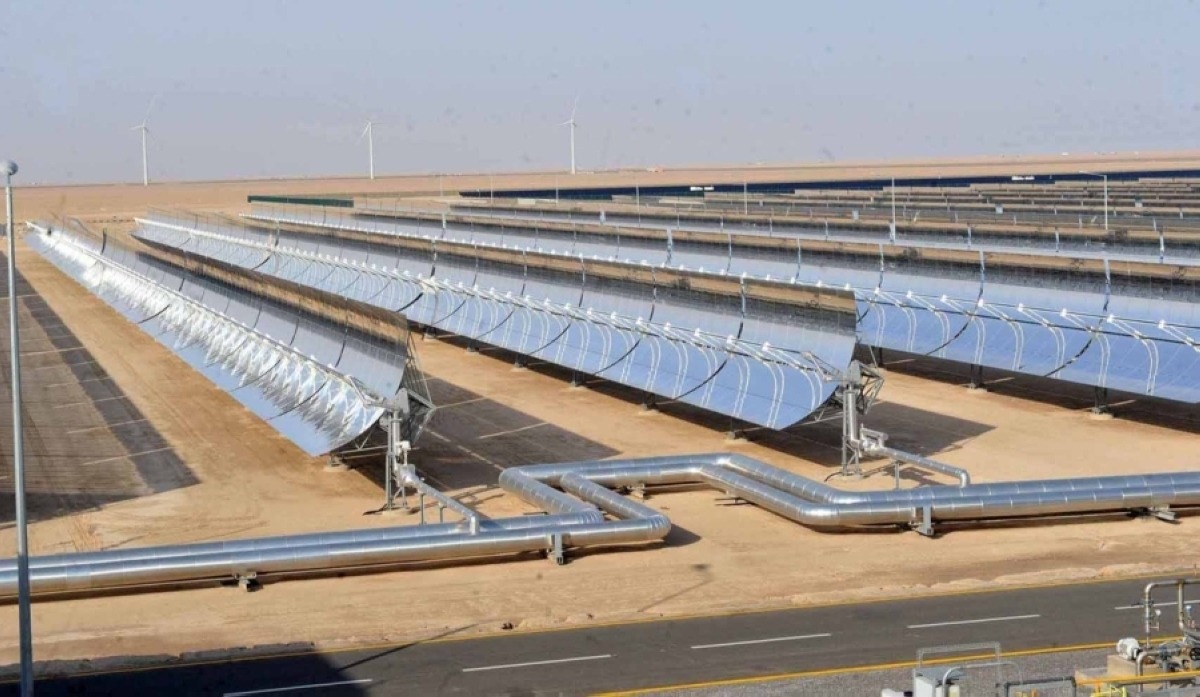
The Shagaya project forms part of Kuwait’s long-term strategy to diversify its energy mix and increase reliance on renewable energy sources. The facility will generate electricity through photovoltaic solar technology and is among the largest renewable energy initiatives currently under development in the country.
At the same time, the authority continues to evaluate technical bids for the first phase of the Khairan power and water project. The facility is designed to produce 1,800 megawatts of electricity and 33 million gallons of desalinated water per day. Technical bids for the project were opened on June 1.
The authority has also announced July 26 as the deadline for submissions for Shagaya Phase Three – Project Two, which will add another 500 megawatts of solar generation capacity through photovoltaic panels.
The renewable energy projects are part of a broader pipeline of public-private partnership initiatives aimed at strengthening Kuwait’s infrastructure, supporting energy security and attracting private investment.
In recent years, the authority has successfully awarded several major projects, including the North Al-Zour Independent Water and Power Project (Phase One), the Umm Al-Hayman Wastewater Treatment Plant, the highway service areas project and the fixed telecommunications network project.
The authority is also pursuing opportunities to develop and manage strategic state-owned assets through private sector participation, including projects at Al-Muthanna Complex and Souq Sharq.
Officials view the expansion of the public-private partnership model as a key mechanism for accelerating project delivery, improving efficiency and mobilizing investment in support of Kuwait’s long-term development objectives.