Kuwait imported toys worth 54.3m dinars in 2025 amid strong holiday sales
Eid and summer holidays drive Kuwait’s growing toy industry to record import levels; 268 million dinars over five years
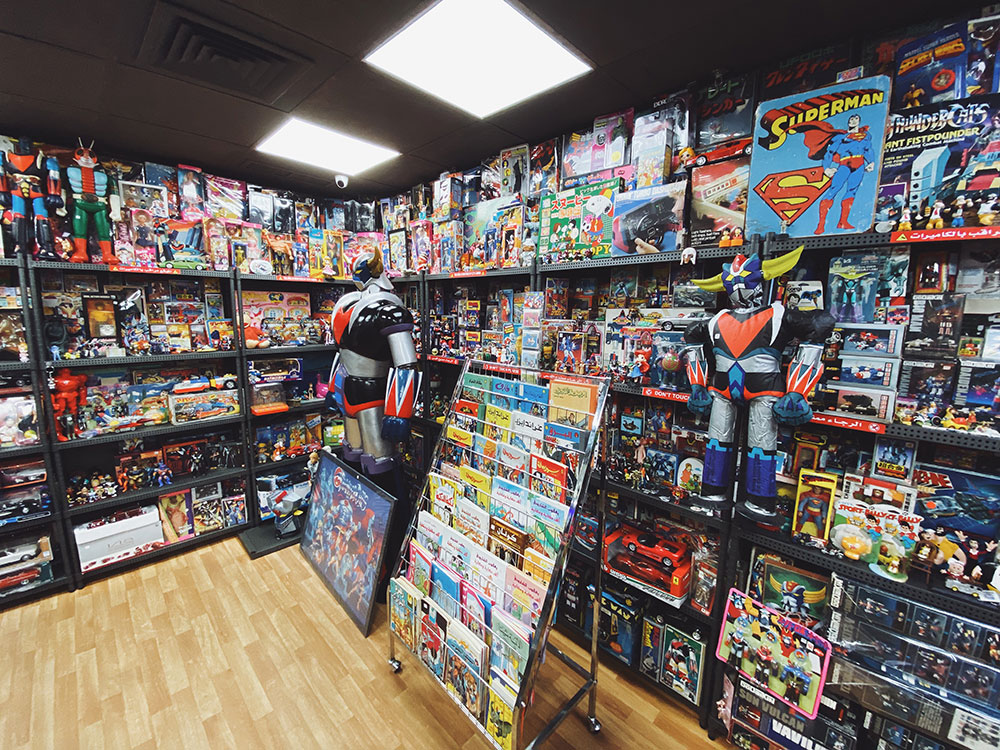
Children’s toys remain one of the most cherished symbols of Eid celebrations in Kuwait, with gifts and “Eidiya” often taking the form of toys that bring excitement, joy, and anticipation to children during the festive season. Beyond their monetary value, toys play an important role in creating memorable experiences and strengthening social interaction among children during holidays.
This strong seasonal demand is clearly reflected in market activity, as toy retailers experience a significant surge in sales during Eid and other festive periods. According to data from Kuwait’s Central Statistical Bureau, imports of children’s toys reached approximately KD 54.3 million in 2025, representing a 34.7 percent increase compared to KD 42.3 million in 2024, an annual rise of nearly KD 14.7 million.
The growth forms part of a broader upward trend in the sector. Between 2021 and 2025, Kuwait imported children’s toys worth around KD 268.2 million, underlining the resilience and sustained expansion of the market. Annual imports stood at KD 54.3 million in 2021, rose to KD 59 million in 2022, reached KD 55.6 million in 2023, and continued to maintain strong levels in subsequent years.
Import patterns also reveal a close link between consumer demand and seasonal occasions. The second quarter of 2025 recorded the highest import value at approximately KD 15.1 million, followed closely by the fourth quarter at KD 15 million. These periods typically coincide with school holidays, summer vacations, and major festive occasions, prompting importers and retailers to increase inventories to meet consumer demand.
The Kuwaiti toy market offers a wide range of products catering to different age groups. Educational toys designed to develop cognitive and motor skills remain popular among younger children, while older age groups increasingly favor bicycles, electric scooters, remote-controlled vehicles, interactive games, and electronic entertainment products.
Despite the growing popularity of digital gaming, traditional toys such as dolls, action figures, puzzles, and building sets continue to enjoy strong demand, particularly during festive seasons.
Industry observers note that social media and digital marketing platforms have become increasingly important tools for toy manufacturers and distributors, helping to promote new products and expand consumer reach. However, physical retail outlets continue to hold a competitive advantage, as many families prefer to see and evaluate toys before making purchasing decisions.
Eid Al-Fitr, Eid Al-Adha, and national celebrations remain the primary drivers of toy sales in Kuwait, with demand often doubling during these periods as families seek gifts that bring happiness to children.
The sector therefore represents not only a thriving commercial market but also an important reflection of Kuwait’s social traditions, where childhood joy and festive celebrations continue to fuel steady economic activity.