- India’s willingness to support neighbours despite domestic pressure is strengthening its standing as a responsible regional power and a trusted leader within the Global South.
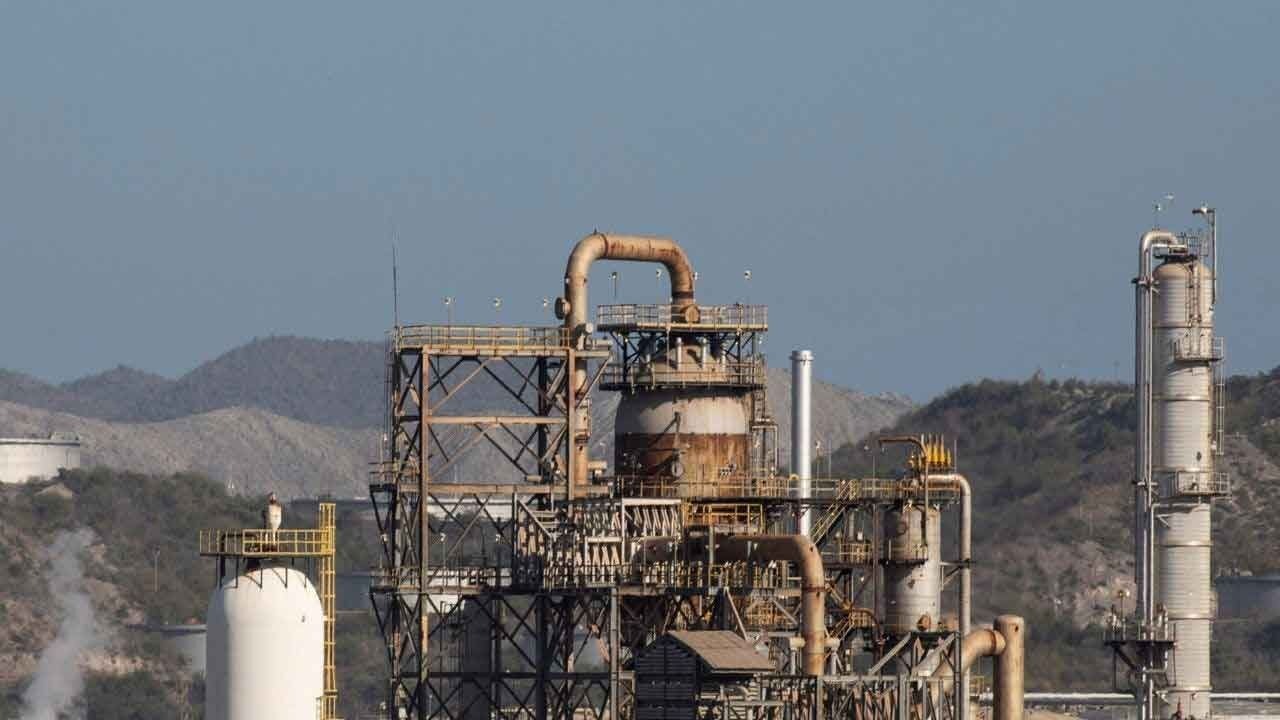
The war that erupted across Middle East on February 28, following coordinated US and Israeli strikes on Iran, has triggered one of the biggest energy disruptions in modern history.
Iran’s near-total blockade of the Strait of Hormuz severely affected global oil and gas supplies, as the narrow waterway normally carries nearly 20 percent of the world’s seaborne oil and a major share of liquefied natural gas exports.
The crisis sent global energy markets into turmoil, with Brent crude prices fluctuating between US $82 and US $120 per barrel.
QatarEnergy declared force majeure on LNG contracts, while global oil inventories dropped sharply by nearly 85 million barrels in March alone, according to the International Energy Agency.
India itself faced significant pressure because around 90 percent of its liquefied petroleum gas imports pass through Hormuz.
LPG is vital for Indian households, especially as it supports nearly 332 million domestic connections and more than 104 million beneficiaries under the Pradhan Mantri Ujjwala Yojana.
To protect domestic supply, India invoked emergency measures on March 9 under the Essential Commodities Act.
The government reduced industrial gas allocations and increased LPG production from domestic refineries by approximately 25 percent. India’s strategic petroleum reserves currently provide about 60 days of cover, extending to 74 days when commercial reserves are included.
Despite its own energy concerns, India continued supplying fuel to neighbouring countries facing severe shortages.
On March 28, Sri Lanka received an emergency shipment of 38,000 metric tonnes of fuel through Lanka IOC after diplomatic intervention by Prime Minister Narendra Modi and External Affairs Minister S. Jaishankar.
The Indian fuel shipment helped Sri Lanka avoid deeper disruption as the country struggled with rationing, reduced work schedules, and fears of power cuts.
The assistance also revived memories of India’s US $4 billion support package extended to Colombo during Sri Lanka’s 2022 economic collapse.
Bangladesh also continued receiving diesel supplies through the India-Bangladesh Friendship Pipeline, which has become critical as Dhaka seeks emergency international financing.
Nepal, entirely dependent on imported fossil fuels, was reassured that India would maintain uninterrupted supplies despite the regional crisis. Bhutan and the Maldives similarly turned to New Delhi for petroleum support.
India’s regional response reflects its long-standing “Neighbourhood First” policy, which prioritises assistance to nearby nations during emergencies.
The approach mirrors India’s “Vaccine Maitri” initiative during the COVID-19 pandemic, when New Delhi supplied hundreds of millions of vaccine doses, medicines, and medical equipment to countries across the Global South.
The ongoing energy crisis has reinforced India’s growing role as a regional stabilising force in South Asia.
For countries such as Sri Lanka, Nepal, Bangladesh, Bhutan, and the Maldives, India has become not only the nearest supplier but also the most reliable partner during emergencies.
Analysts say India’s willingness to support neighbours despite domestic pressure is strengthening its standing as a responsible regional power and a trusted leader within the Global South.