Charity without pause, Kuwait strengthens relief efforts at home and abroad
Kuwait’s humanitarian spirit endures amid regional challenges; in times of crisis, Kuwait’s culture of giving grows stronger
Amid rapid regional transformations affecting multiple aspects of life, Kuwait continues to reinforce its leading role in humanitarian work, maintaining a steady approach rooted in uninterrupted giving and support for those in need.
Despite the challenges of the current climate, charitable organizations remain firmly committed to their mission. They emphasize that generosity transcends crises and that humanitarian responsibility is not dictated by circumstances.
A survey conducted by Al-Rai newspaper among leaders in the charitable and humanitarian sector highlights the continuity of relief efforts and development initiatives both locally and internationally. These efforts are sustained by ongoing contributions from donors and strong coordination between state institutions and the wider community—reflecting Kuwait’s deeply embedded culture of solidarity.
Deeply Rooted Commitment
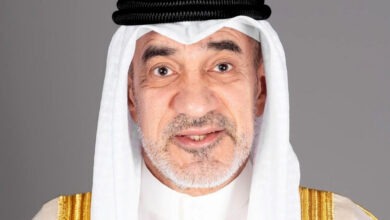
Dr. Rashid Al-Hamad, Vice Chairman of Al-Najat Charity Association, stressed that charitable work is ingrained in Kuwaiti society, describing it as a constant and natural practice. He noted that humanitarian activities continue around the clock, supported by benefactors and facilitated through cooperation with official entities.
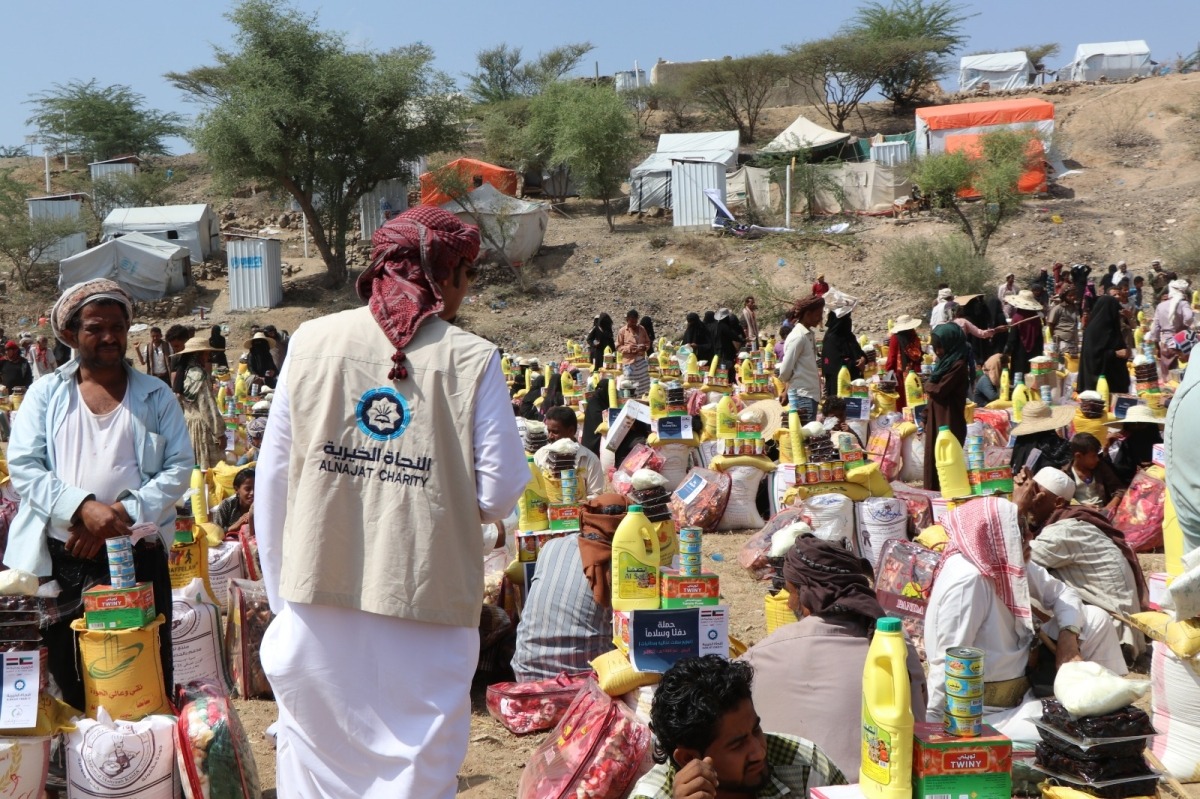
Al-Hamad affirmed that the association maintains efficiency and transparency, providing regular reports to donors to strengthen trust and ensure sustainability. Its work spans mosque construction, well drilling, orphan sponsorship, educational support, medical treatment, and urgent relief campaigns, in addition to specialized medical missions such as eye surgeries.
Expanding Initiatives
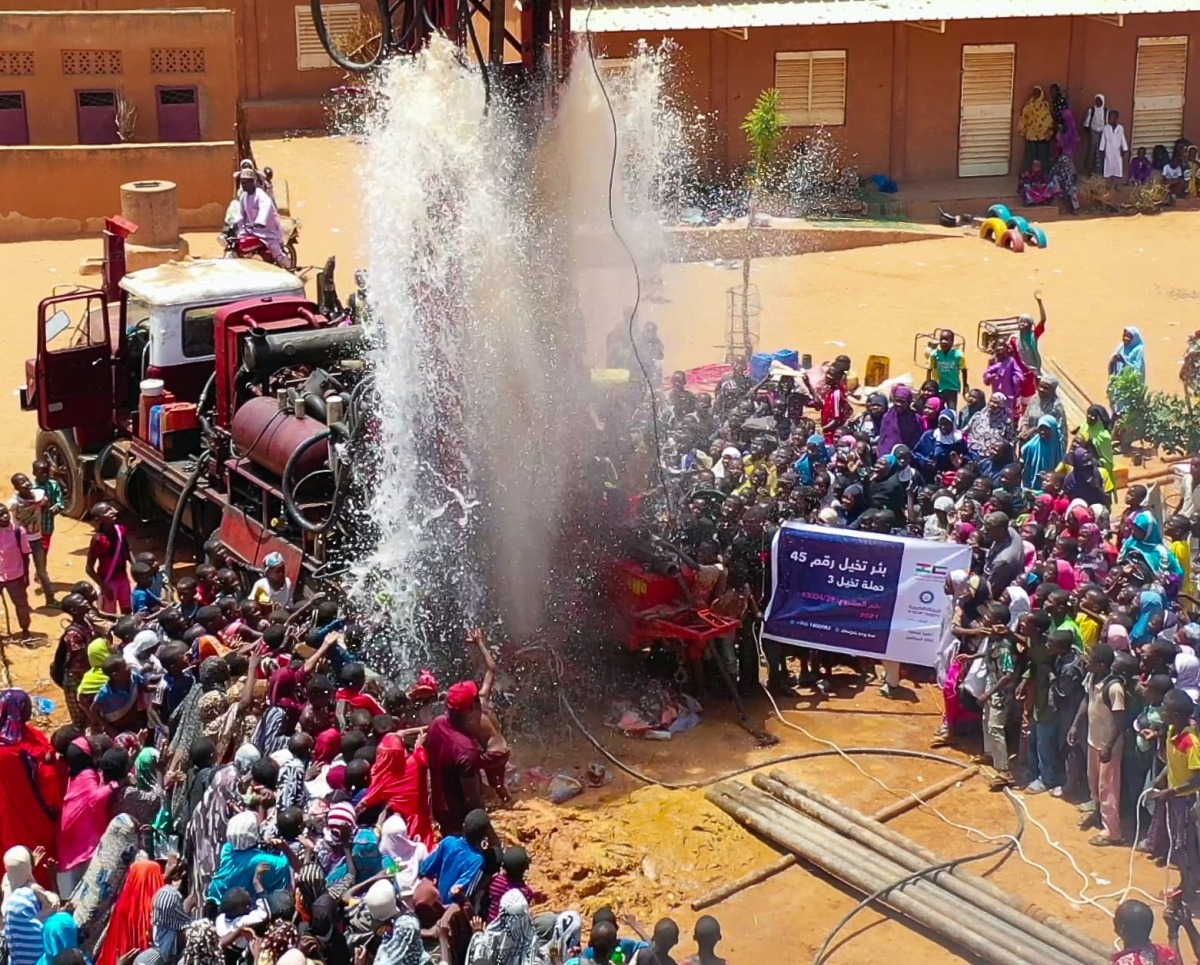
He highlighted several flagship initiatives, including the “Good Tidings” project supporting struggling families with rent, and the “One Million Iftars” campaign, which surpassed its target. The “Imagine” water well project has benefited over 1.8 million people since 2017.
The association has also implemented mosque-building projects and established 22 fully equipped “villages of benefactors” in Yemen, providing housing, healthcare, education, and water resources. It currently sponsors more than 8,600 orphans across 16 countries, ensuring transparent and direct support mechanisms.
Strong Community Cohesion
Al-Hamad pointed to the strong public response during the recent exceptional period linked to regional tensions, noting that donations continued to flow steadily. This reflects a high level of awareness and responsibility among Kuwaitis, who have been careful to channel contributions through official and trusted organizations to ensure effective delivery.
He emphasized that crises often strengthen the culture of giving, reinforcing solidarity and collective responsibility. According to him, Kuwait’s humanitarian efforts send a clear message: generosity not only endures during hardship but grows stronger.
A “Life Message”
Musab Al-Otaibi, Director of Public Relations and Media at Tanmia Charity Association, described Kuwaiti charitable work as a “life message” deeply embedded in society. He noted that experience gained from major international crises—such as in Sudan, Syria, and Lebanon—is now being leveraged to serve both domestic and global needs.
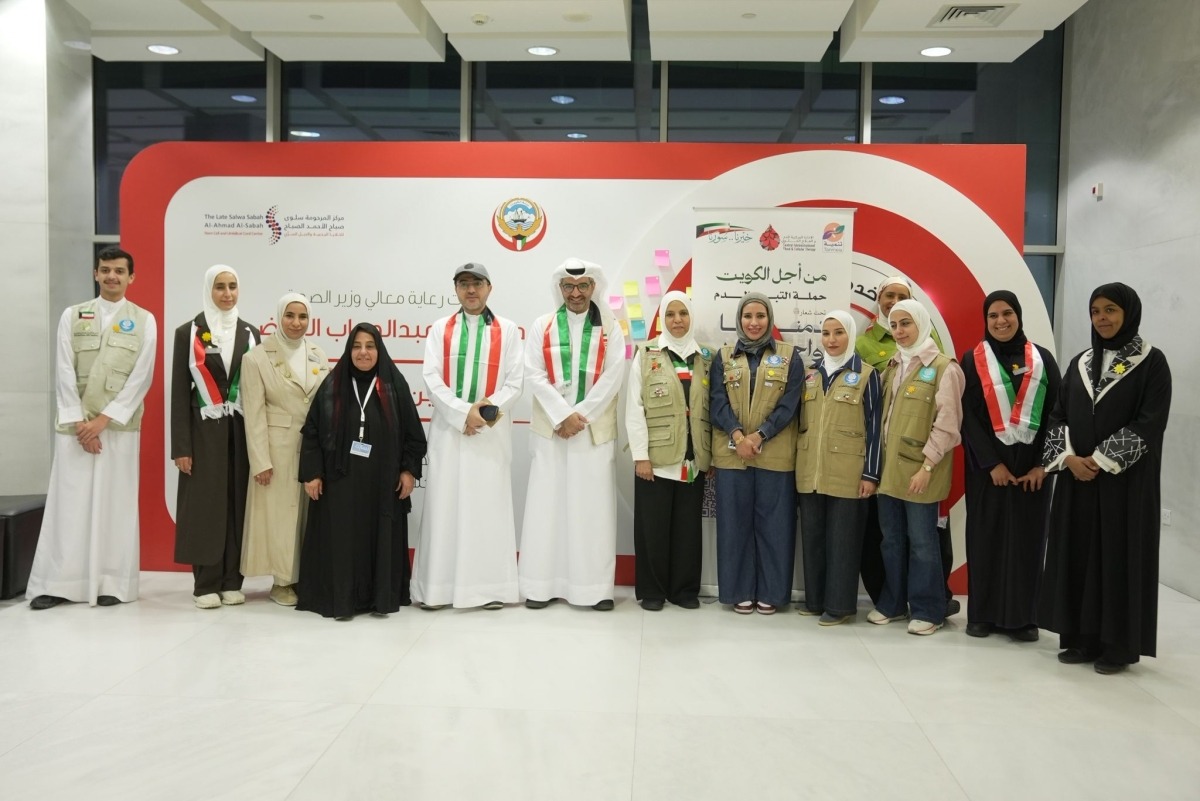
Al-Otaibi highlighted Kuwait’s strong volunteer spirit, with more than 200 volunteer teams ready to contribute. He cited the recent “Kuwait Stands with You… Our Blood is One” campaign as evidence of this commitment.
Ongoing Impact
He stressed that charitable work in Kuwait is a long-standing legacy passed down through generations, serving as a key pillar in times of crisis. Even during the most difficult periods, such as the Iraqi invasion, humanitarian efforts—including orphan sponsorship—continued uninterrupted.
Recent initiatives include distributing meals to frontline workers during Ramadan, equipping shelters, and launching programs to support cancer patients within Kuwait. Internationally, efforts are underway to establish a prosthetics center in Yemen and implement healthcare and relief projects along the Chad-Sudan border.
Al-Otaibi concluded that despite regional challenges, charitable organizations achieved most of their fundraising goals during Ramadan—demonstrating strong public awareness and commitment. He reaffirmed that cooperation between state institutions and civil society remains essential to overcoming challenges and sustaining Kuwait’s humanitarian legacy.