UN-Habitat, diplomatic missions launch symbolic tree-planting initiative
. . . to advance environmental diplomacy in Kuwait

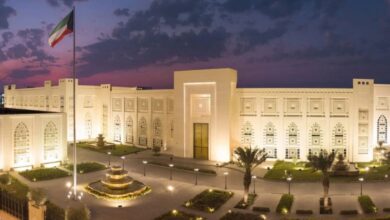
In line with efforts to promote environmental diplomacy and support national initiatives aimed at expanding green spaces and combating desertification, the United Nations Human Settlements Program (UN-Habitat) in Kuwait and the GCC organized a symbolic tree-planting initiative in the Diplomatic Quarter, with the participation of heads of diplomatic missions and members of the diplomatic corps.
The initiative brought together the embassies of the Republic of Türkiye, Malaysia, the Russian Federation, the United Arab Emirates, and the Republic of India.
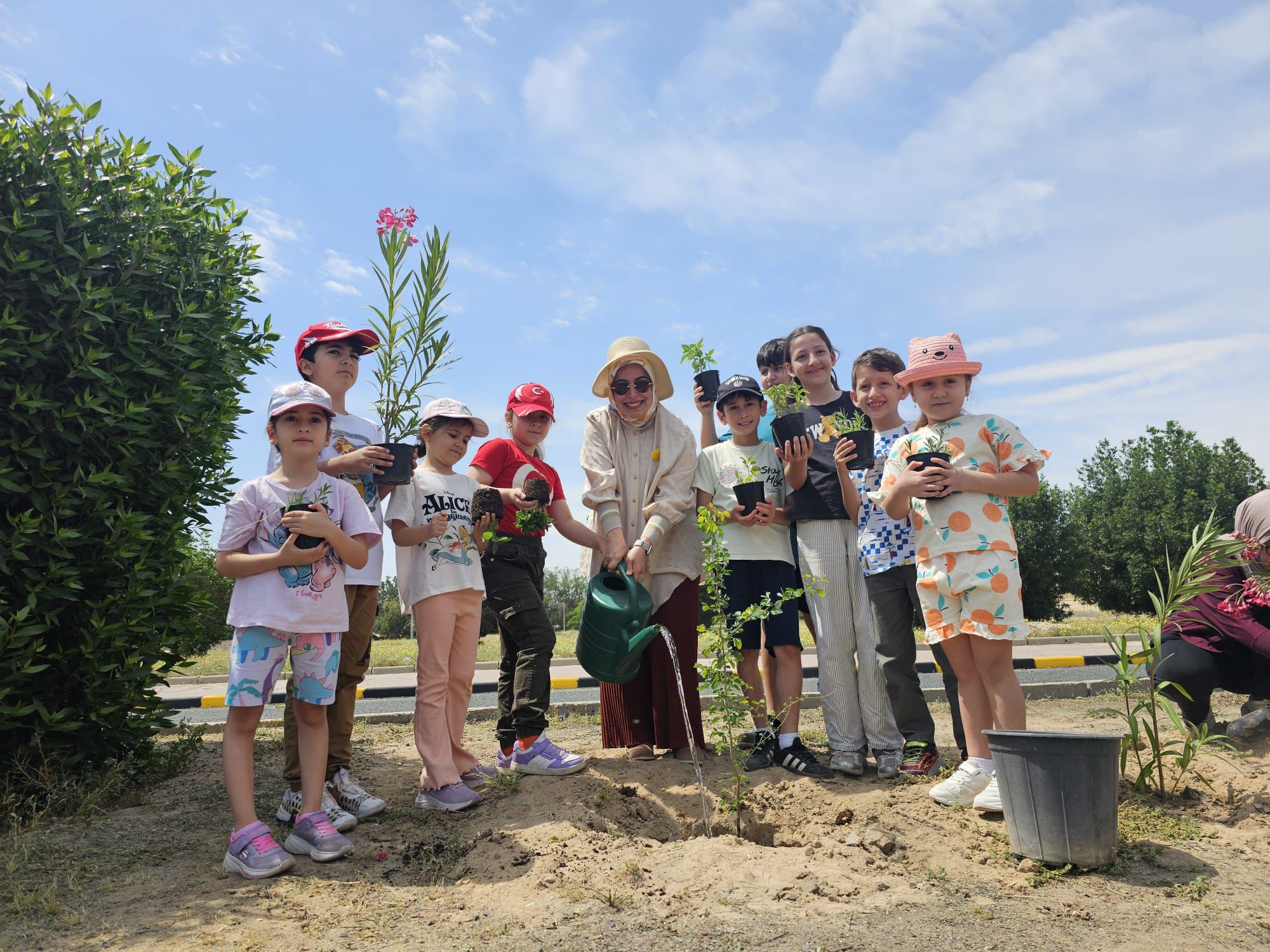
The participants planted the Arfaj plant, Kuwait’s national flower, alongside a selection of native plants, as a gesture of international solidarity with Kuwait’s environmental vision and its efforts to enhance urban sustainability.
This initiative forms part of the ‘Kuwait Plants’ campaign, launched by UN-Habitat in Kuwait in 2017, which aims to promote a culture of planting and environmental awareness, and to encourage all segments of society, including the diplomatic community, to contribute to protecting the local environment and preserving its natural heritage.
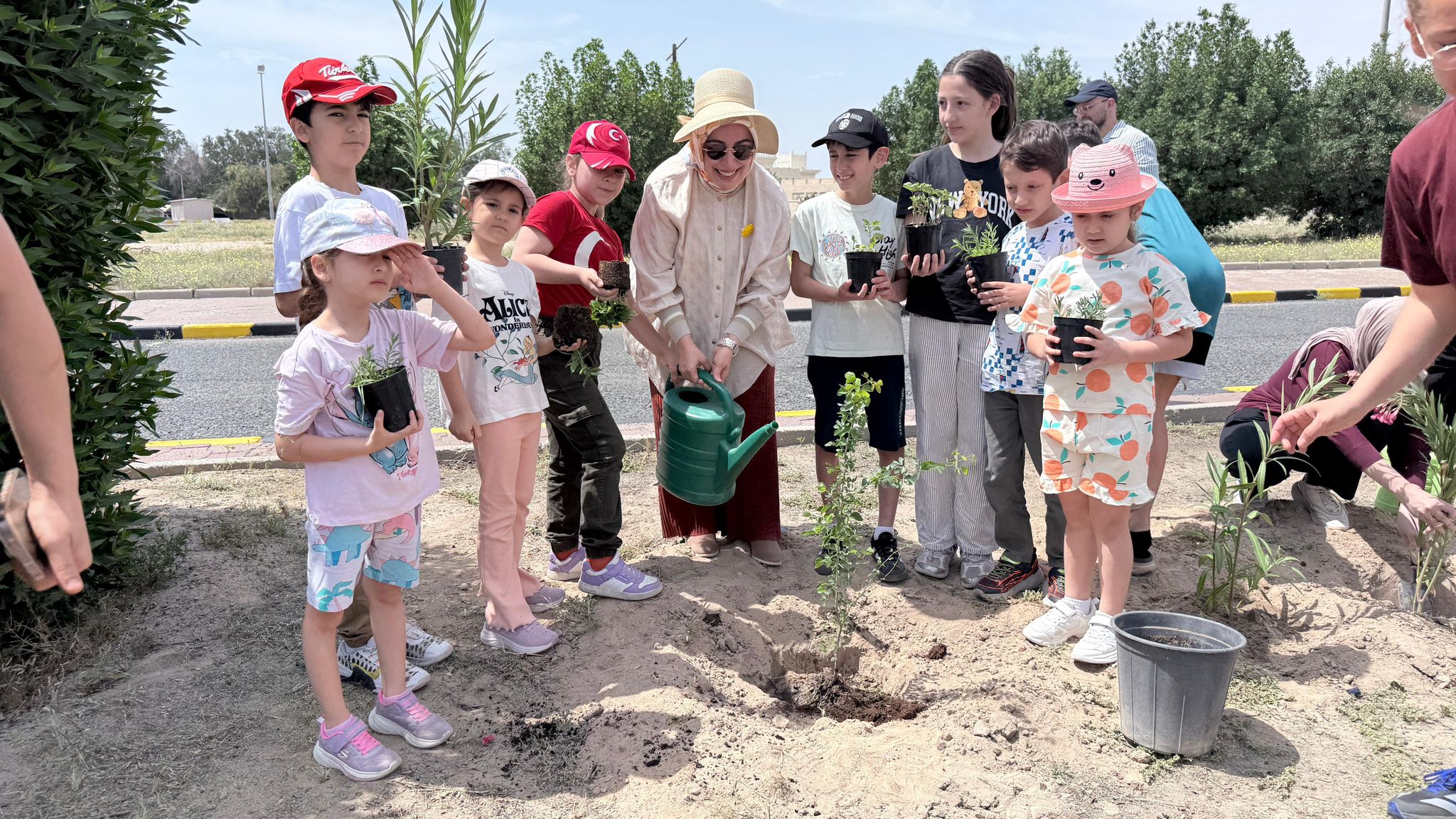
The initiative also coincides with Earth Day, observed annually on 22 April, giving the event an additional symbolic dimension and reinforcing its connection to global efforts to protect the planet, promote environmental awareness, and strengthen the shared responsibility of societies and nations toward sustainability and climate action.
The event was supported and coordinated by the Protocol Department of the Ministry of Foreign Affairs with the support of the Dean of the Diplomatic Corps, reflecting the importance of international partnerships in advancing sustainable development and climate action priorities in Kuwait.
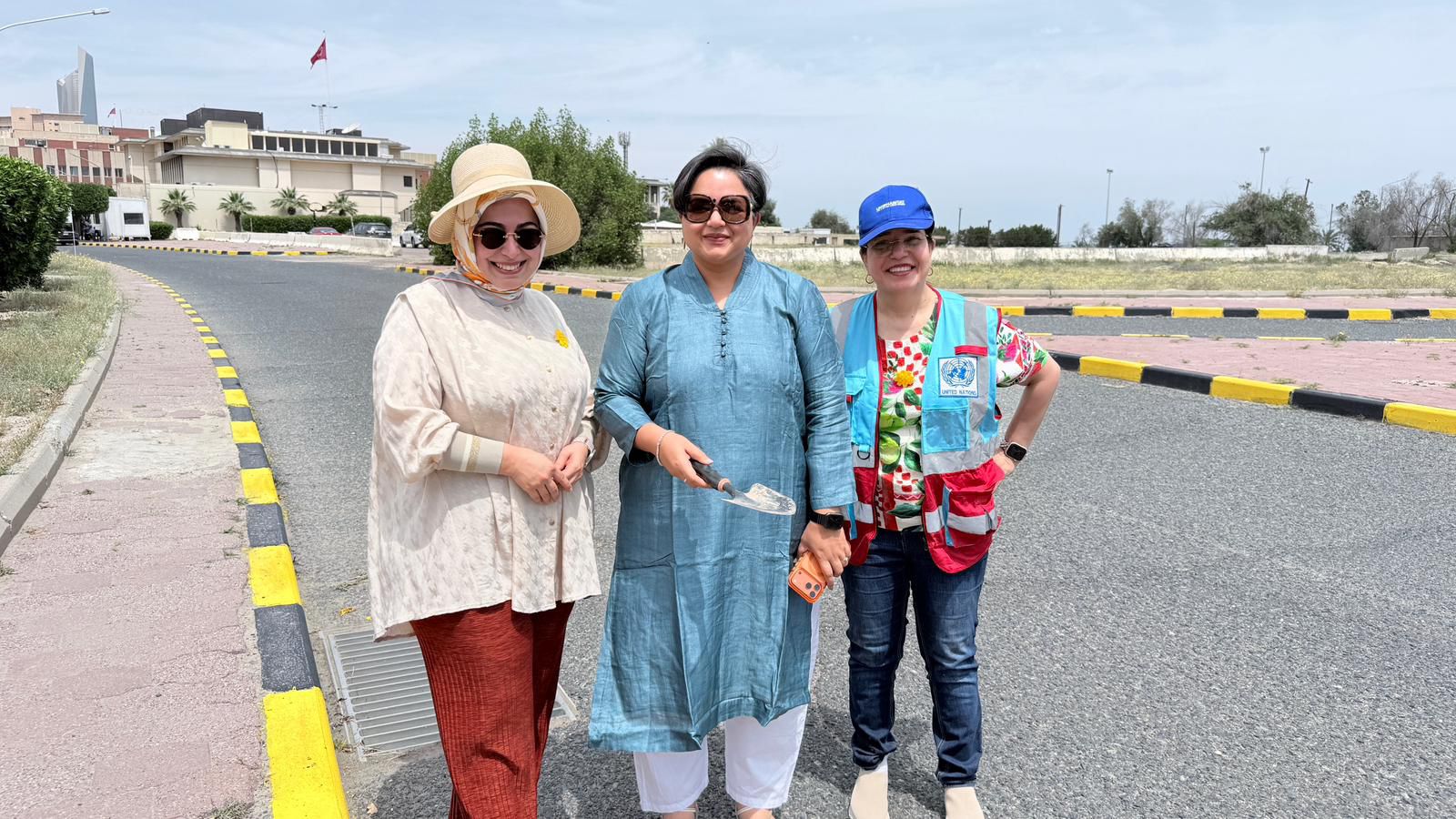
On this occasion, Dr. Ameera Al-Hassan, Head of UN-Habitat Office in Kuwait and the GCC, emphasized that the selection of the Arfaj plant carries deep national and environmental symbolism, representing resilience and adaptation to desert conditions.
She noted that the participation of diplomatic missions reflects a practical model of international cooperation in addressing climate challenges and enhancing quality of life in cities.
Dr. Ameera Al-Hassan further explained that this initiative is part of UN-Habitat Kuwait’s efforts to highlight Kuwait’s environmental achievements and showcase its initiatives in combating desertification, expanding green cover, and raising public awareness on environmental protection.
She added that transforming urban spaces into greener areas represents both a symbolic and practical step toward supporting the vision of a “Green Kuwait” and reinforcing the principle that environmental protection is a shared responsibility that transcends borders.
For her part, the Ambassador of the Republic of Türkiye to the State of Kuwait, H.E. Tuba Nur Sönmez, affirmed that her country’s participation reflects a firm commitment to environmental sustainability and aligns with international efforts to foster a balanced relationship between humanity and nature, while also supporting Kuwait’s efforts to expand green spaces and enhance its urban environment.
She further noted that participation in such initiatives reaffirms the bonds of brotherhood and friendship between the Republic of Türkiye and the State of Kuwait, under the patronage of His Excellency President Recep Tayyip Erdoğan and His Highness the Amir Sheikh Mishal Al-Ahmad Al-Jaber Al-Sabah.
She noted that this symbolic act of planting local vegetation goes beyond an environmental activity, representing a shared human message that environmental protection is a collective responsibility.
She further emphasized that Türkiye’s participation reflects its commitment to supporting Kuwait’s environmental efforts and strengthening bilateral relations between the two brotherly countries across various fields, including environmental cooperation, sustainable development, and community engagement.
She highlighted that desert plants such as the Arfaj offer a profound lesson in resilience and adaptability, as they thrive in harsh conditions and continue to give, values that societies can draw upon in addressing environmental and climate challenges.
She concluded by stressing that such initiatives strengthen international cooperation and embody the spirit of partnership among nations in working toward a more sustainable future.
This initiative underscores that environmental diplomacy is no longer confined to statements and conferences, but has evolved into practical, field-based action reflecting the international community’s commitment to sustainable and climate-resilient cities.