The Times Kuwait Report
The World Bank Group is looking to deepen its partnership with Kuwait by combining its global development expertise, financing capabilities and private sector support to unlock investment opportunities, generate employment and advance sustainable economic growth.
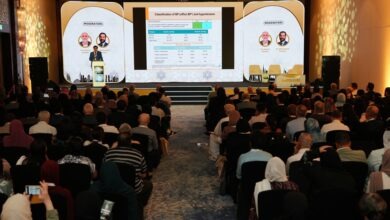
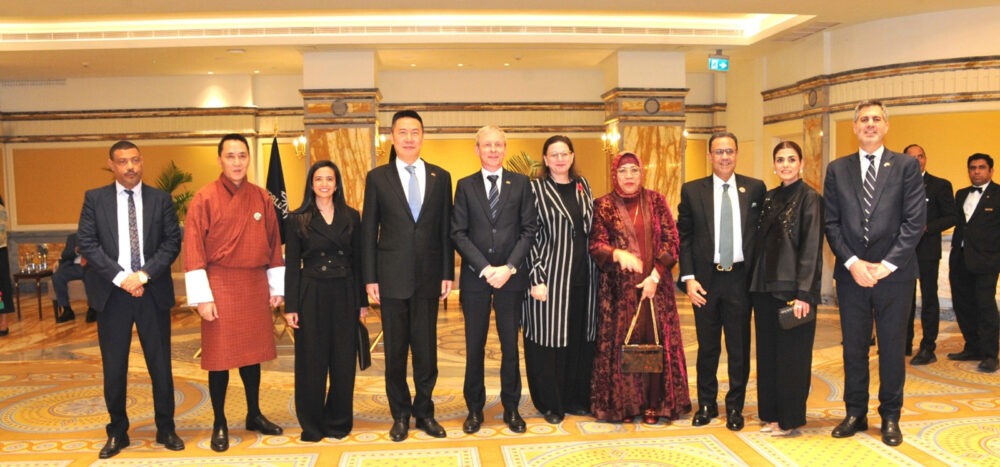
Speaking on the sidelines of the World Bank Group Diwaniya, held on Tuesday at The St. Regis Kuwait under the theme ‘Partners in Growth and Prosperity’, Azhar Iqbal Hussain, World Bank Group Country Manager for Kuwait, said the integration of the Group’s five institutions enables it to offer comprehensive development, financing and advisory solutions to governments and businesses.
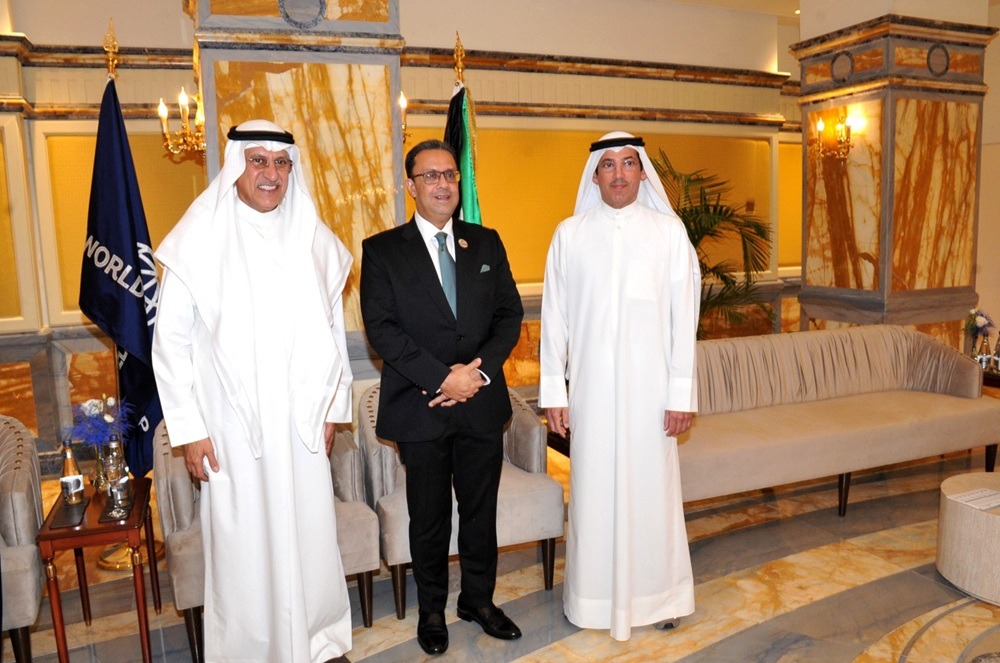
The joint World Bank Group representation is sought to strengthen engagement with the Kuwaiti community, highlight the longstanding partnership between Kuwait and the World Bank Group, and explore opportunities to expand cooperation with public and private sector stakeholders.
Hussain explained that the Group brings together five institutions under a unified leadership structure: the World Bank, International Finance Corporation (IFC), Multilateral Investment Guarantee Agency (MIGA), International Development Association (IDA), and International Centre for Settlement of Investment Disputes (ICSID).
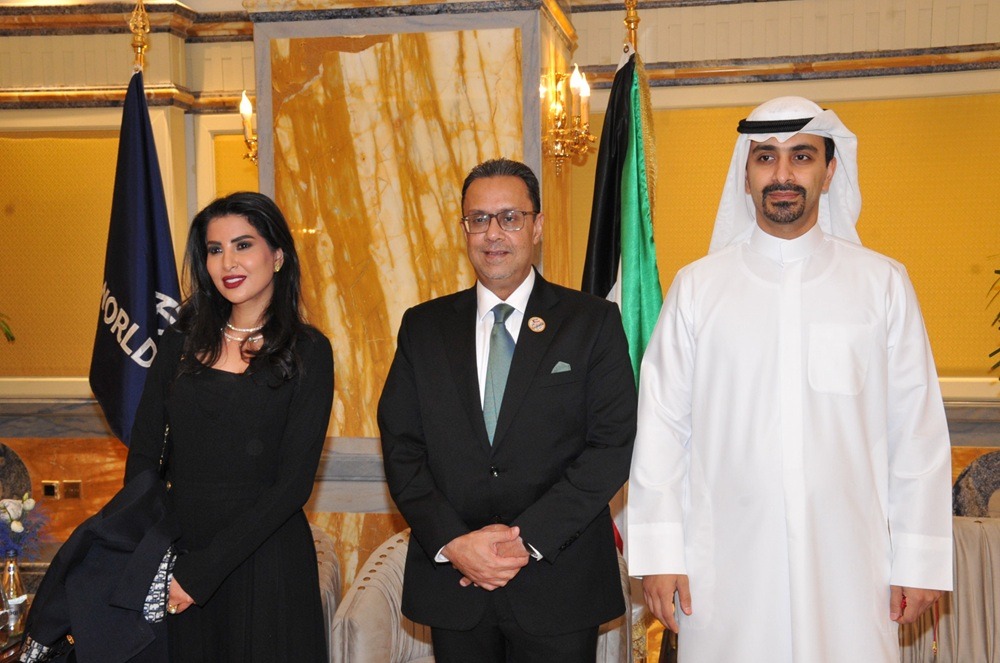
Their complementary capabilities span sovereign financing, private sector investment, political risk insurance, policy advice, market intelligence and investment dispute resolution. By coordinating these capabilities, the Group aims to connect governments and local businesses with global expertise and a wider range of financing and advisory services, improving efficiency and amplifying development impact.
Six decades of partnership with Kuwait
Kuwait has been an important partner of the World Bank Group for more than 60 years, reflecting a longstanding relationship built around development cooperation, knowledge exchange and international economic engagement.
According to the information presented at the Diwaniya, the Group comprises 190 member countries and maintains a presence and operations in approximately 110 countries. Its country office in Kuwait was established in 2009, marking around 17 years of local presence.
Hussain noted that the World Bank works with the Kuwaiti government by sharing international experience and supporting knowledge transfer, drawing on nearly eight decades of global development work. The Group also appreciates Kuwait’s representation on its Board of Directors, reflecting the country’s role in the international development framework.
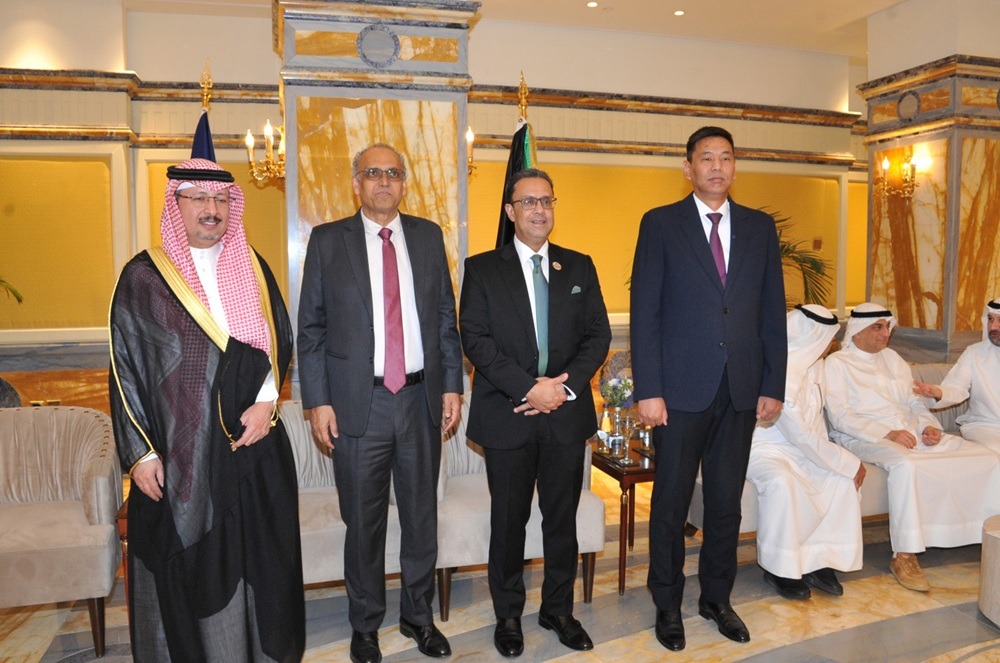
The Group’s work in Kuwait has also included more than 100 advisory and assistance engagements covering policy development, structural reforms and knowledge transfer. These engagements provide opportunities to draw on international experience to strengthen institutions, improve governance and support development priorities.
Private capital at the centre of investment growth
A key focus of the Diwaniya was the mobilisation of private capital and the role of Kuwait’s business community in expanding investment into emerging markets.
Hussain said the challenge is not simply to make capital available, but to mobilise and channel it towards productive projects that create economic and social value. The World Bank Group seeks to facilitate this process by providing financing instruments, technical expertise and advisory services that help businesses expand into new markets.
The IFC plays a central role in this effort by supporting private sector companies, helping businesses grow and encouraging investment in emerging economies.
The event presentation cited approximately US$1.6 billion in IFC investment and private capital mobilisation associated with supporting the expansion of Kuwaiti businesses in emerging markets.
Hussain highlighted the potential for Kuwaiti companies and investors to take their capital, expertise and business capabilities into markets that require further development. Such investments can support economic activity, create jobs and strengthen commercial ties across borders.
MIGA complements these efforts by providing guarantees against political and other non-commercial risks, helping investors manage risks when entering unfamiliar markets. Meanwhile, ICSID provides a framework for resolving international investment disputes, supporting confidence in cross-border investment arrangements.
Job creation remains a central priority
Hussain identified job creation as a core objective of the World Bank Group’s development agenda, emphasising that activities across the public and private sectors are intended to generate employment and deliver sustainable economic outcomes.
He said stronger cooperation between governments, investors and businesses is essential to creating an environment in which companies can grow, investment can expand and new employment opportunities can emerge.
The Group’s approach in Kuwait encompasses several areas of engagement aligned with national development priorities, including human capital development and job creation, public sector modernisation, sustainable investment flows, investment and business regulations, public-private partnerships, resilient infrastructure development, knowledge and capacity building, and private capital mobilisation.
These areas reflect the importance of combining economic reform with investment in people, institutions and infrastructure to support long-term growth.
Developing Kuwaiti talent and expertise
The World Bank Group’s engagement in Kuwait also includes efforts to develop local professional capabilities and strengthen the participation of Kuwaiti nationals in its work.
The Diwaniya presentation highlighted more than 20 Kuwaiti nationals working with the Group through structured programmes designed to support professional development.
This focus on local talent complements the Group’s advisory work and knowledge-sharing initiatives, helping build expertise that can contribute to Kuwait’s development priorities and strengthen its engagement with international institutions.
Hussain said the Group aims to continue applying its global knowledge and experience to support the country’s economic priorities, improve the efficiency of public institutions and strengthen the environment for investment and business activity.
Diwaniya provides a platform for dialogue
Explaining the choice of the Diwaniya format, Hussain said it reflected the Group’s appreciation of Kuwait’s social traditions and the importance of direct dialogue and the exchange of ideas.
The gathering provided an opportunity to engage with the local community, hear the perspectives of stakeholders and explain how the World Bank Group’s institutions can support government priorities and private sector ambitions.
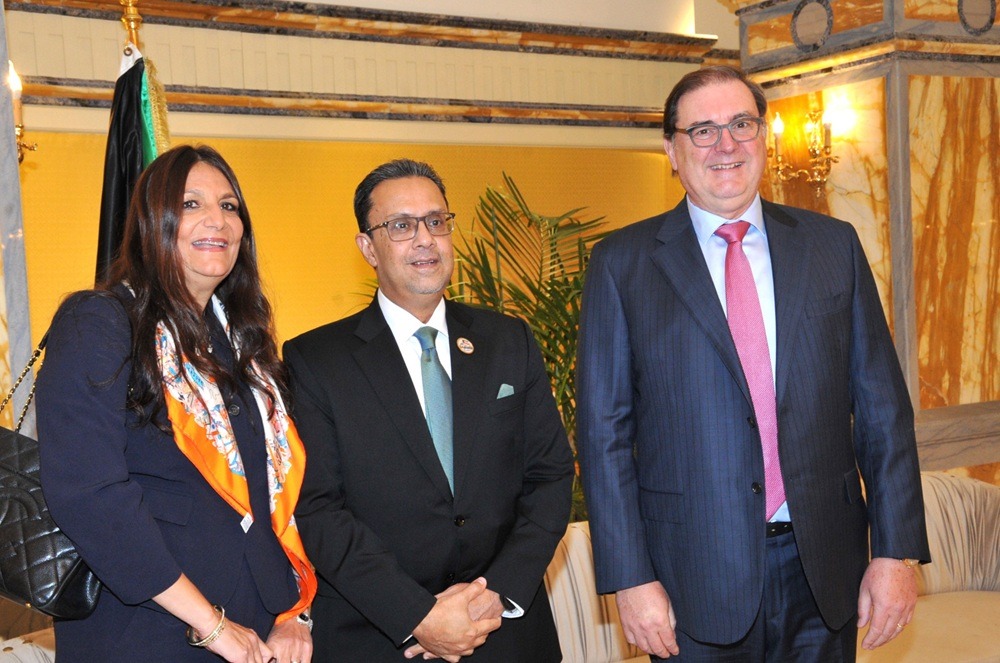
Looking ahead, the Group sees scope to deepen cooperation with Kuwait by combining the country’s established business capabilities and investment resources with its own global expertise, advisory services and financing instruments.
Hussain expressed confidence that stronger collaboration, greater private capital participation and a continued focus on employment and institutional development could help unlock new opportunities for Kuwait while supporting sustainable growth across emerging markets.