By Wilson D’cunha
Special to the Times Kuwait
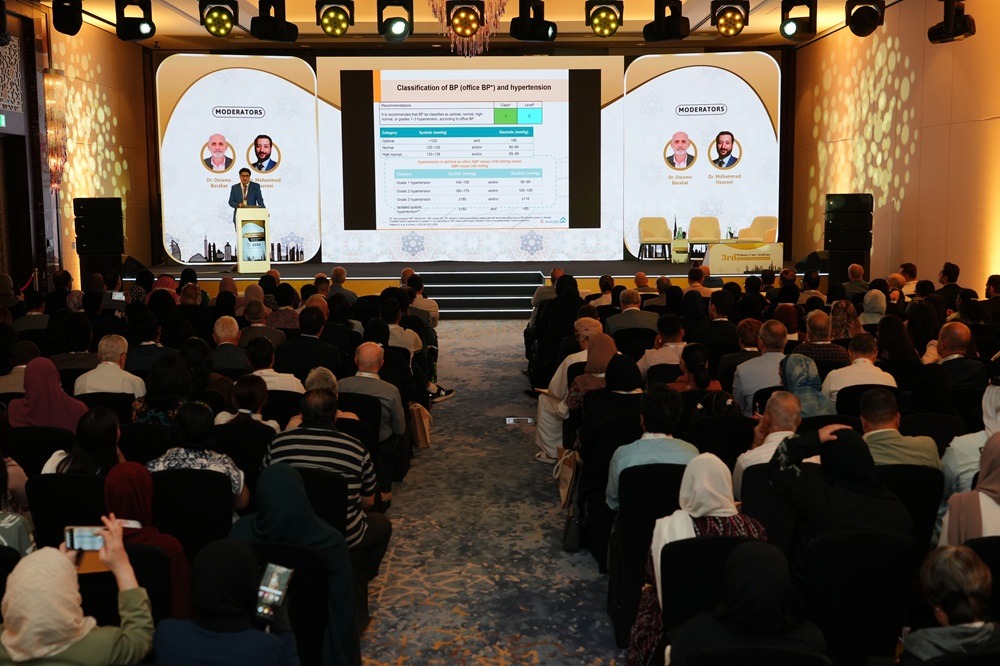
The growing burden of chronic disease across the Gulf is prompting healthcare professionals to look beyond conventional clinical measurements and consider the realities that shape patients’ everyday lives. That was a central theme at the 3rd Primary Care Academy 2026, held in Dubai on October 3, where regional clinicians discussed cardiovascular health, metabolic risk, obesity, smoking management and the evolving role of primary care.
Organized in partnership with Emirates Hospital Group and endorsed by the Emirates Family Medicine Society and Turkey’s Health Promotion and Health Policy Association, the conference gathered regional clinicians to explore how primary care can support earlier intervention and sustainable approaches to chronic disease management.
Throughout the sessions, speakers emphasized that measurements such as blood pressure, cholesterol and body mass index provide only part of the picture. Effective prevention also requires clinicians to understand the behavioral, social and economic circumstances that influence a patient’s ability to follow medical advice.
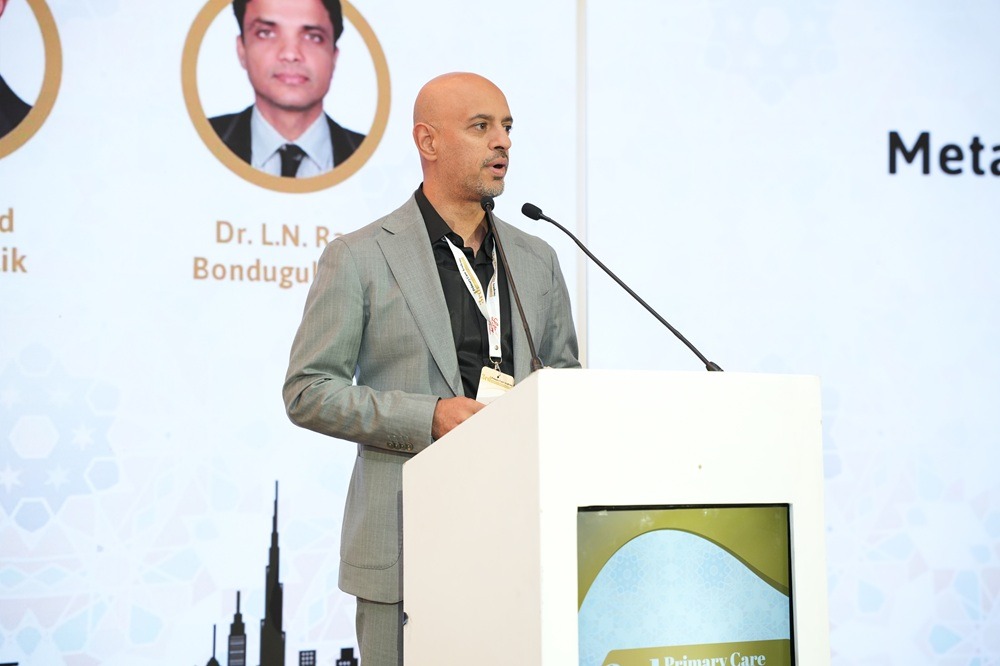
Dr. Adil Sajwani, a family medicine consultant speaking at the event, highlighted the value of taking a holistic approach to patient care. He explained how family medicine was developed in the United States during the 1970s partly in response to concerns around fragmented care, with family physicians taking a broader view of patients instead of focusing solely on individual symptoms or organ systems.
As Dr. Sajwani noted, advising a patient to exercise more, eat less and lose weight may be simple to prescribe, but practical barriers can be considerable. Someone working long hours may struggle to find time for physical activity, while another patient may have limited access to healthier food options because of their workplace or financial circumstances. For prevention strategies to be sustainable, clinicians therefore need to understand these barriers and agree on realistic goals with their patients.
A Practical Approach to Smoking Cessation
This approach is evident in smoking management. Tobacco use remains a major contributor to preventable disease, including cardiovascular and respiratory conditions and several forms of cancer. Yet quitting can be difficult when smoking is closely connected to daily routines, social environments and stress.
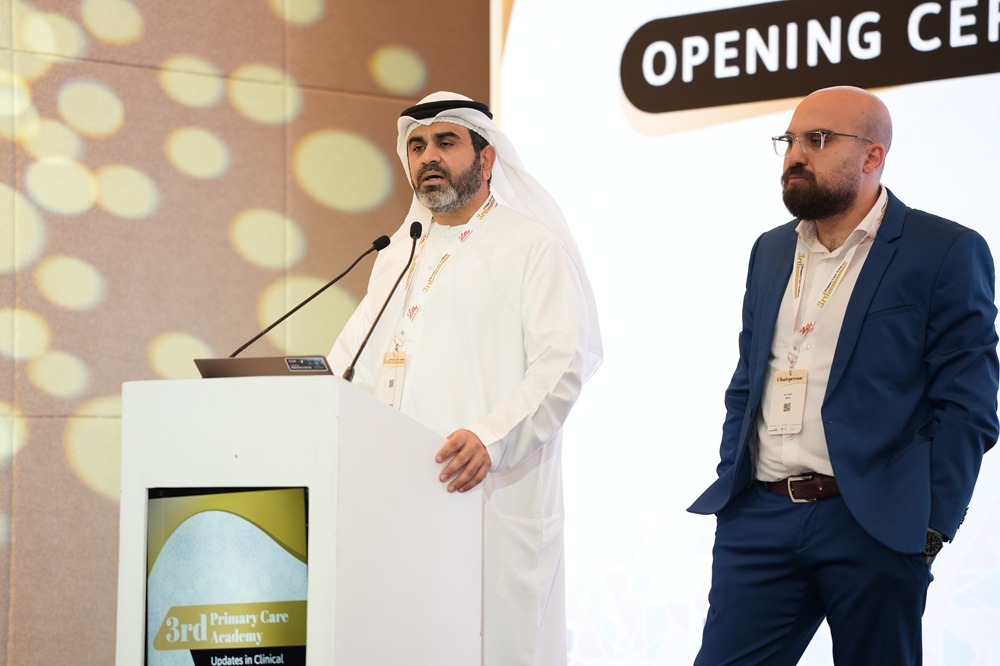
Dr. Ahmed Mohammed Abdul Malak, a Kuwaiti family medicine doctor who operates a smoking cessation clinic and spoke on the sidelines of the event, emphasized the importance of preparation when attempting to quit.
Relapse, he noted, can be a significant challenge. Patients and clinicians should work together to identify triggers and adjust the cessation strategy. Stress, poor sleep, coffee and social gatherings can all contribute to cravings when smoking has become embedded in everyday routines.
Dr. Sajwani also explained how some smokers may be reluctant to seek help from dedicated smoking cessation facilities because they feel uncomfortable being seen entering a clinic specifically associated with tobacco use.
Integrating cessation support into routine primary care could help address this barrier by allowing patients to discuss tobacco use as part of a broader health consultation, making support more accessible while reducing the stigma associated with seeking help.
For patients who continue to struggle despite repeated attempts to quit, clinicians may also need to consider different approaches to cessation and harm reduction. Complete cessation of tobacco and nicotine use remains the preferred goal. However, for adults who smoke and are unable to quit, discussions around alternatives may form part of an individualized approach, taking into account the available evidence and the different risk profiles of tobacco and nicotine products.
Non-combustible products, including heated tobacco products, e-cigarettes and nicotine pouches, are not risk-free. Their potential role in harm reduction should therefore be distinguished from eliminating health risks, and such products should not be initiated by non-smokers.
This distinction was also highlighted during panel discussions by Dr. Sherif Bakir, Consultant Cardiologist at Medcare Medical Centre, who emphasized the importance of differentiating the risks associated with combustible tobacco use from those associated with nicotine itself. He stressed that harm-reduction discussions should remain focused on current adult smokers and should not encourage nicotine use among people who do not currently use tobacco or nicotine products.
The conference also explored the potential role of artificial intelligence in supporting personalized care, including clinical decision-support approaches that could help assess dependence, individual triggers and comorbidities when developing cessation pathways.
Tackling Obesity Beyond Weight Alone
The individualized care approach was also examined regarding obesity. Dr. Rahila Bhatti, Consultant in General Internal Medicine, Diabetes and Endocrinology at Genesis Healthcare Centre, urged clinicians to approach obesity as a complex, multifactorial disease, and not purely a matter of personal willpower or body weight.
Lifestyle, environment, metabolic health and socioeconomic circumstances can all influence an individual’s ability to manage their weight. In more severe cases, Dr. Sajwani noted, medical treatment or bariatric surgery may be considered alongside dietary and lifestyle interventions, depending on the patient’s circumstances.
The wider environment can also influence long-term health. Dr. Abdul Malak highlighted reliance on food delivery services, sedentary routines and the spread of health misinformation online as challenges that can make healthy lifestyle changes more difficult.
Unverified diet trends circulating on social media can encourage restrictive eating patterns or lead individuals to abandon prescribed treatments. Addressing misinformation is part of helping patients make informed health decisions. As Dr. Abdul Malak put it: “Health is wealth that you don’t feel until you lose it.”
The discussions at the 3rd Primary Care Academy pointed to a common principle across chronic disease management: prevention is more effective when it reflects the realities of patients’ lives. Across obesity, cardiovascular risk and smoking cessation, primary care physicians can help patients make sustainable changes by combining evidence-based treatment with practical, individualized support.