US Tariff Waiver to Boost Trade Sentiment, Paving the Way for India–US Export Growth
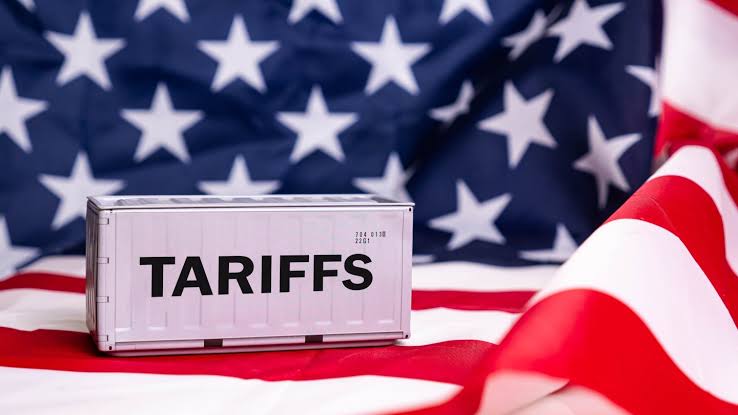
- The US waiver of Russia-linked tariff threats offers India significant relief, restoring business confidence and strengthening export competitiveness. With exports reaching US$87.3 billion in FY 2025–26 and rising 11.11% in April–September 2026, the move can revive bilateral trade momentum, support employment and advance the US$500 billion India–US bilateral trade ambition by 2030.
The United States’ decision to waive specified Russia-linked tariffs and sanctions on major buyers of Russian-origin oil and gas offers significant relief to India and presents a fresh opportunity to strengthen bilateral trade relations. The Executive Order issued by US President Donald Trump on October 16, 2026, under the Lindsey O. Graham Sanctioning Russia and Iran Act of 2026, has eased the immediate threat of additional tariffs of up to 100% on Indian exports linked to Russian energy purchases. The move signals a positive shift in commercial engagement between the two countries and could boost business confidence, encourage new export orders, and help bilateral merchandise trade return to a positive growth trajectory.
The waiver matters as Indian exporters navigate considerable uncertainty over US tariff policy. By removing the immediate threat of these additional duties, Washington has given businesses more room to plan shipments, negotiate contracts, and make investment decisions with greater confidence. Although the waiver does not eliminate every tariff-related challenge, it reduces the risk of further escalation in trade tensions and provides an opportunity to rebuild momentum in one of India’s most important export markets.
India’s Exports to the US: A Significant Trade Buildup
The United States remains India’s largest destination for merchandise exports, accounting for a substantial share of Indian exports across manufacturing, pharmaceuticals, engineering, electronics and labour-intensive industries. The relationship is strategically important not only for export earnings but also for employment generation, investment, technology collaboration and integration into global value chains.
India’s merchandise exports to the US rose from about US$86.5 billion in FY 2024–25 to US$87.3 billion in FY 2025–26, up about 0.9%. This resilience came despite considerable uncertainty from US tariff measures during the year. Smartphone exports, supported by expanding manufacturing capacity and supply-chain diversification, contributed significantly to overall performance.
In the current financial year, India’s merchandise exports to the US totalled US$50.81 billion for April–September 2026, up from approximately US$45.73 billion in April–September 2025, representing year-on-year growth of 11.11%. Exports in September 2026 rose to US$8.02 billion, up 48% from US$5.42 billion in September 2025. These figures demonstrate the strength of the underlying commercial relations.
Waiver: A Positive Signal for Business Confidence
The October 16 waiver has an important confidence-building dimension. This should support a more constructive business environment in three ways. First, Indian exporters can engage more clearly with American buyers about the immediate Russia-linked tariff threat. Second, US importers can assess Indian sourcing options without the same immediate concern about a potential additional 100% duty under the specified measures. Third, businesses on both sides can focus more on expanding commercial opportunities rather than on responding to successive policy uncertainties.
The relief is particularly relevant for sectors operating on tight margins, where an abrupt increase in import duties can make products commercially unviable. Greater certainty can help preserve existing orders, encourage repeat purchases and create the conditions for new contracts.
Opportunities Across Key Export Sectors
A more predictable trade environment can benefit several major Indian export sectors.
Electronics and smartphones: India’s expanding electronics manufacturing ecosystem has strengthened its position in global supply chains. Greater policy certainty can support further sourcing from India, encourage capacity expansion and help manufacturers consolidate their presence in the US market.
Engineering goods and industrial machinery: These exports rely on long-term procurement relationships, competitive pricing and reliable delivery schedules. Reduced tariff uncertainty can improve prospects for new orders and strengthen India’s position as a supplier of machinery, equipment and industrial components.
Pharmaceuticals and chemicals: India’s pharmaceutical industry has established a substantial presence in the US market. Predictable trade policy can help businesses plan production, maintain supply commitments, and pursue higher-value export opportunities, subject to applicable product-specific regulations and duties.
Textiles, apparel, gems and jewellery: These labour-intensive industries are highly sensitive to changes in landed costs. Improved confidence among US buyers could help Indian suppliers retain sourcing relationships, protect employment and secure additional orders.
Marine products, processed foods and other consumer goods: These sectors can also benefit from a more stable commercial environment, although their performance will continue to depend on demand, product standards, logistics costs and sector-specific trade measures.
India-US Bilateral Trade Can Leapfrog
The waiver can restore business confidence, enabling Indian exporters to offer competitive prices, secure new orders and plan production. For the US, reliable access to Indian goods diversifies sourcing and strengthens supply chains. For India, rising exports can boost manufacturing, employment, capacity utilisation, foreign-exchange earnings and investment in export-oriented infrastructure.
India and the US have previously articulated an ambitious objective to expand bilateral trade to US$500 billion by 2030 under the Mission 500 initiative announced in February 2025. Achieving this ambition will require sustained progress on market access, tariff predictability, regulatory cooperation, and resolving outstanding trade issues. The latest waiver can contribute to this effort by easing immediate tensions and creating space for constructive negotiations.
Energy Security and Economic Diplomacy
Waiving the specified Russia-linked measures reduces the immediate risk that India’s energy sourcing decisions will trigger the threatened additional duties on its exports. This is significant because higher tariffs could otherwise weaken the competitiveness of Indian products in the US market, with consequences for exporters, workers and investment.
At the same time, energy cooperation and trade negotiations will remain part of a broader economic dialogue. Greater coordination on energy, manufacturing, technology, investment and supply chains can help both countries identify shared interests and reduce the risk of future disruptions.
The Way Forward
To convert this relief into sustained export growth, India and the US should maintain regular engagement between their trade authorities and industry representatives. Early clarity on the scope and duration of the waiver, together with progress towards a mutually beneficial trade arrangement, would help businesses make longer-term decisions.
Indian exporters should simultaneously strengthen product quality, improve productivity, diversify their product offerings and deepen engagement with American buyers. Government and Industry can facilitate business-to-business connections, identify emerging demand and help smaller exporters navigate regulatory requirements. Greater investment in logistics, technology adoption and compliance will further strengthen India’s competitiveness.
The US waiver of proposed Russia-linked tariffs is therefore more than a temporary easing of trade-related pressure. It is an opportunity to restore confidence, preserve commercial relations and build fresh momentum in India–US economic engagement. With merchandise exports to the US reaching US$87.3 billion in FY 2025–26 and rising to US$50.81 billion during April–September 2026, the underlying scale of the relations remains substantial.
The central opportunity now is to translate tariff relief into lasting business confidence, stronger export orders, and renewed growth in bilateral trade. Sustained policy predictability, constructive negotiations, and deeper commercial cooperation can help India and the United States build a more resilient, mutually beneficial trade partnership.