- The changes apply to foreign nationals travelling to India and do not introduce visa-free entry, changes in visa fees or automatic extensions of existing visas. Applicants will continue to be subject to the applicable eligibility requirements.
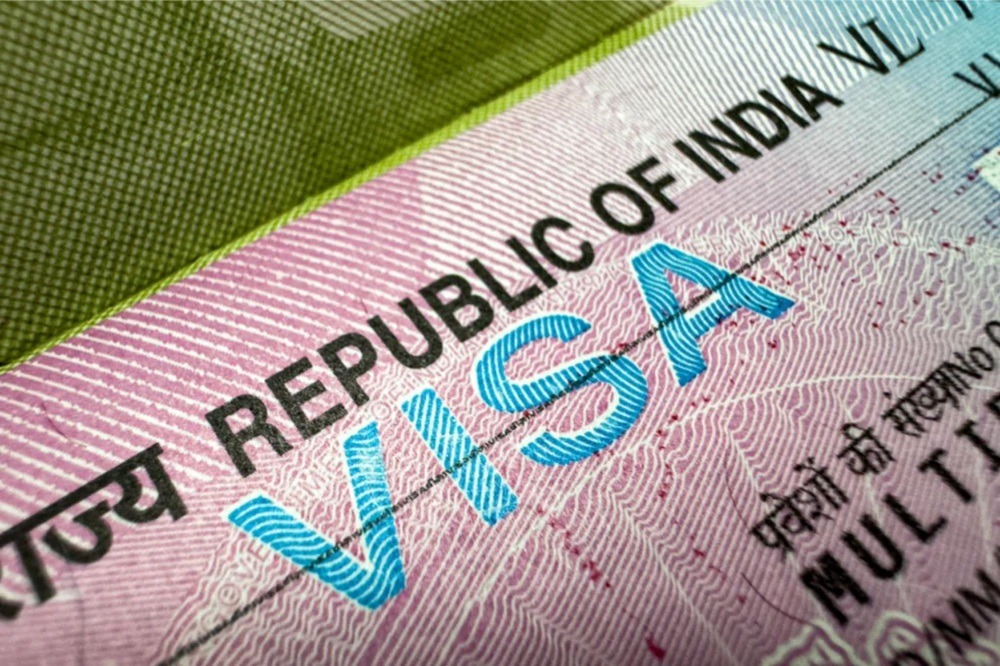
India has simplified its visa regime by reducing the number of visa categories from 13 to nine and cutting application form requirements by up to 70 percent, the Ministry of Home Affairs (MHA) said. The move aims to streamline procedures, reduce paperwork and make it easier for foreign nationals to travel to India.
Under the revised framework, the number of sub-categories has also been reduced from 49 to 23. The nine main categories are Business, Diplomatic, Work, Journalist, Medical, Official, Student, Visitor and Miscellaneous visas.
One of the notable changes is the renaming of the Tourist Visa as the Visitor Visa, which is divided into two categories. The V-1 visa allows multiple entries over 30 days for eligible short-term activities, including business meetings, medical consultations, wellness retreats and short courses. The V-2 category offers validity of one, five or 10 years, subject to eligibility and approval.
Medical visas have been reorganised to cover conventional medical treatment and AYUSH-based treatment, with visas ordinarily issued for one year with multiple entries. Separate provisions have also been made for accompanying attendants.
Student visas have been consolidated into S-1 and S-2 categories, covering school and higher education, research, PhD programmes, internships and academic exchange programmes. Eligible students applying through the Study in India portal may receive multiple-entry visas valid for up to five years or the duration of their course, whichever is shorter.
Business visas have also been restructured into B-1 and B-2 categories. While B-1 covers long-term business activities, B-2 caters to short-term contractual assignments, conferences, sporting events, cultural performances and film production. A dedicated provision under B-2 will cover technical specialists and engineers involved in industrial projects.
The MHA is updating its information technology systems to implement the revised framework, with visas under the new system expected to be issued by the end of 2026. The rationalisation was introduced on August 27, 2026.
The changes apply to foreign nationals travelling to India and do not introduce visa-free entry, changes in visa fees or automatic extensions of existing visas. Applicants will continue to be subject to the applicable eligibility requirements.