Women in Diplomacy: Leading Change, Building Consensus, Shaping the Future
As the world marks the International Day of Women in Diplomacy on 24 June, attention turns to the remarkable contributions of women who continue to transform international relations, champion peace, and strengthen global cooperation. The observance serves not only as a celebration of achievements but also as a reminder of the work still needed to ensure equal representation in decision-making at the highest levels.

The Times Kuwait Report
In an increasingly interconnected world, diplomacy remains one of the most powerful tools for addressing global challenges. From conflict resolution and climate action to economic cooperation and humanitarian initiatives, women diplomats are playing a pivotal role in shaping policies and fostering dialogue across borders.
Over the decades, women have steadily broken through barriers that once restricted their participation in foreign affairs. Trailblazers such as Vijaya Lakshmi Pandit, Alexandra Kollontai, and Madeleine Albright demonstrated that effective diplomacy benefits from diverse perspectives, inclusive leadership, and collaborative approaches.
Today, women serve as ambassadors, foreign ministers, negotiators, and policymakers, helping to shape international agendas and strengthen multilateral cooperation. Their leadership has contributed to more inclusive peace processes, stronger international partnerships, and more sustainable solutions to complex global issues. Research consistently indicates that peace negotiations involving women are more likely to result in durable and lasting agreements.
Despite significant progress, challenges remain. Women continue to be underrepresented in senior diplomatic positions worldwide, highlighting the need for institutional reforms, mentorship opportunities, and policies that support equal career advancement. Current global figures underscore the importance of accelerating efforts to ensure women have an equal voice in shaping international policy and governance.
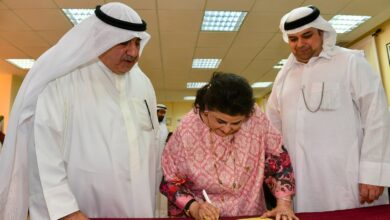
The Gulf region, including Kuwait, has witnessed encouraging progress in expanding women’s participation in diplomacy and public service. Pioneering figures such as Nabeela Abdulla Al Mulla paved the way for future generations, demonstrating the vital role women can play in representing their countries on the international stage.
As nations navigate a rapidly changing geopolitical landscape, the importance of inclusive diplomacy has never been greater. Empowering women to participate fully in international affairs is not simply a matter of equality—it is essential for building stronger institutions, fostering sustainable peace, and addressing the complex challenges facing the global community.
Women in diplomacy are no longer merely participants in international affairs; they are leaders, innovators, and bridge-builders who continue to redefine the practice of diplomacy for the twenty-first century. Their growing influence is helping to create a more representative, resilient, and cooperative world order.