WISH puts the future of healthy living in focus as Qatar hosts global health leaders
‘The New Health Span’ summit explores longevity, artificial intelligence, breakthrough treatments, fertility and international health cooperation, shifting the focus from simply extending life to ensuring healthier, more fulfilling years.
As medical science continues to extend human life expectancy, a fundamental question is emerging for healthcare professionals and policymakers: how can people live longer while remaining healthy, active and independent?
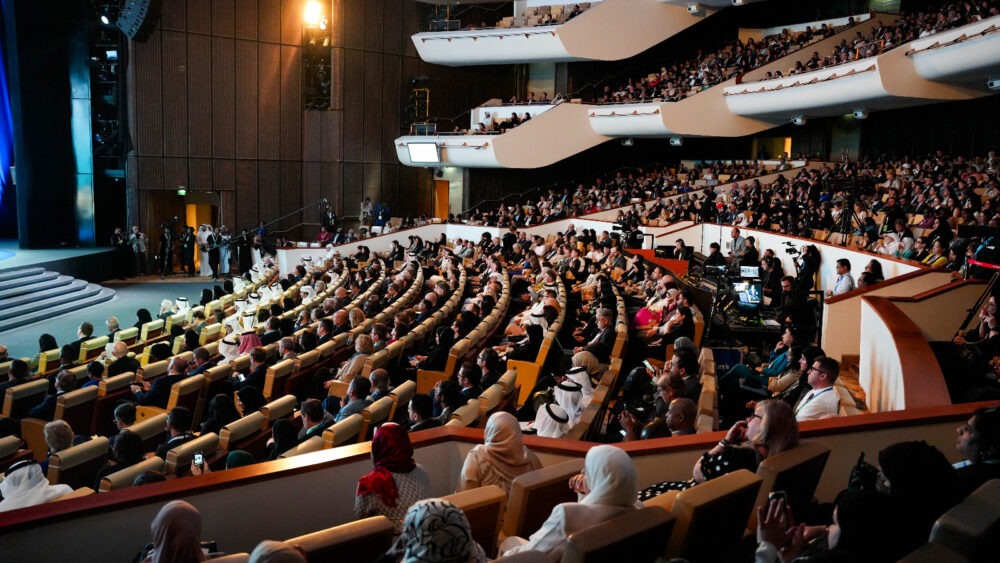
This question will take centre stage when the eighth edition of the World Innovation Summit for Health (WISH8) brings together international healthcare leaders, scientists, policymakers, researchers and innovators in Doha on November 29 and 30 at the Qatar National Convention Centre.
Held under the theme ‘The New Health Span’, the summit is an initiative of Qatar Foundation (QF), organised in strategic partnership with Qatar’s Ministry of Public Health. It seeks to move the global healthcare conversation beyond treating diseases and extending life expectancy towards preserving physical, mental and social wellbeing throughout a person’s lifetime.
The distinction between lifespan and healthspan is central to this year’s discussions. While lifespan refers to the total number of years a person lives, healthspan describes the period spent in good health. The objective is to narrow the gap between the two, ensuring that longer lives also mean better quality of life.
Ageing populations, rising chronic diseases, increasing healthcare costs and unequal access to medical breakthroughs are placing growing demands on health systems. At the same time, developments in genetics, biotechnology, artificial intelligence and preventive medicine are creating opportunities to rethink healthcare.
Five priorities shaping the future of health
The Longevity Dividend examines how advances in ageing science, cellular biology, senescence and epigenetics can help people remain healthier for longer. Research into biological ageing could support earlier identification of health risks and interventions that preserve physical and cognitive abilities. Discussions will also address equitable access to emerging longevity treatments and the ethical implications of extending healthy life.
Financing the Cure focuses on the financial challenges associated with breakthrough treatments, including gene therapies and cell-based medicine. Although these interventions offer potentially transformative outcomes, their high costs and specialist requirements make access difficult. The summit will explore innovative financing arrangements, risk-sharing mechanisms and sustainable payment models that allow healthcare systems to make advanced treatments accessible.
Artificial Intelligence and Human-Centred Health examines how AI is transforming medical diagnosis, imaging, drug discovery, patient monitoring and hospital management. While technology can improve efficiency and clinical decision-making, concerns surrounding patient privacy, data protection, accountability and reliability must be addressed. The objective is to ensure that AI strengthens healthcare without replacing the essential human relationship between doctors and patients.
The Future of Fertility explores developments in reproductive medicine, fertility preservation, diagnostics and assisted reproductive technologies. Discussions will consider patient choices, equitable access, informed consent and the ethical and regulatory questions emerging from scientific advances.
Health Diplomacy 2.0 addresses the importance of international cooperation in responding to pandemics, humanitarian emergencies, conflicts and disruptions to medical supply chains. It highlights the role of governments and international organisations in protecting healthcare systems, maintaining access to essential services and strengthening global health security.
Four research reports to guide policy
A major component of WISH8 will be the presentation of four flagship research reports addressing longevity, healthcare financing, artificial intelligence and fertility.
The reports aim to translate scientific developments into practical recommendations for governments, healthcare institutions and medical professionals. They build on WISH’s research record of more than 80 publications examining global healthcare challenges and policy solutions.
The research will examine how ageing science can improve prevention, how breakthrough treatments can be financed sustainably, how AI can be safely integrated into health systems and how reproductive technologies can be governed responsibly.
WISH Director of Research and Policy Dr Taskeen Khan has highlighted the importance of helping policymakers and clinicians identify where immediate action is possible and where stronger scientific evidence is still required.
International expertise comes to Doha
The summit will feature prominent international experts, including Dr David Sinclair, Professor of Genetics at Harvard Medical School and a leading researcher in ageing biology, whose keynote address will explore scientific developments in longevity.
Professor Lord Ara Darzi, Executive Chair of WISH and a leading surgeon and healthcare policy expert associated with Imperial College London, will contribute perspectives on healthcare innovation and policy.
Professor Andrea B. Maier of the National University of Singapore will bring expertise in healthy ageing, while Dr Dominic King, Corporate Vice-President and Health Lead at Microsoft AI, and Dr Ahmed Elmagarmid, Executive Director of Qatar Computing Research Institute, will contribute to discussions on artificial intelligence and healthcare technology.
Their participation reflects the increasingly interdisciplinary nature of modern medicine, where scientific research, technology, economics and public policy must work together.
Qatar showcases its healthcare innovation ecosystem
Beyond international discussions, WISH8 will provide a platform for Qatar to highlight its expanding research and innovation capabilities.
The WISH8 Innovation Showcase, developed in collaboration with the Qatar Research, Development and Innovation Council (QRDI), will present technologies and solutions supporting healthier and longer lives.
The Innovators of Tomorrow competition, organised with the Qatar Scientific Club, attracted 45 applications from 26 schools, with 10 finalists selected. Student projects address healthy lifestyles, mental health, artificial intelligence and ageing, highlighting the importance of involving younger generations in healthcare innovation.
Another initiative, the QSTP–Merck FemTech Accelerator, supports women-focused healthcare innovation and entrepreneurship. It provides opportunities for emerging businesses working in reproductive health, fertility, diagnostics and women’s wellbeing.
These programmes underline Qatar’s ambition to strengthen connections between scientific research, entrepreneurship, investment and healthcare delivery.
Why healthspan matters to the Gulf
The New Health Span agenda has particular relevance for the GCC, where diabetes, cardiovascular disease, obesity and other non-communicable conditions remain important public health challenges.
The region’s healthcare systems must increasingly balance advanced medical treatment with prevention, early screening and affordable primary healthcare. Investments in genomics, biotechnology, digital health and personalised medicine could help doctors identify individual risks and develop more targeted prevention and treatment strategies.
However, technological progress must be accompanied by strong regulation, ethical safeguards, skilled healthcare professionals and effective data protection.
Healthy ageing also extends beyond hospitals and medical facilities. Access to nutritious food, physical activity, mental health services, supportive communities and age-friendly urban environments all contribute to longer and healthier lives.
People who remain healthy and socially connected for longer can continue contributing to their families, workplaces and communities. This can reduce demand for long-term medical care while improving productivity and quality of life.
From global dialogue to practical action
Since its establishment, WISH has developed into an international platform for healthcare research, policy dialogue and collaboration. Its research has contributed to policy initiatives beyond Qatar, including recommendations that helped inform Qatar’s National Autism Plan, launched in 2017, and approaches to preventing and managing Type 2 diabetes in Panama.
WISH8 comes at a time when biotechnology, genetics, artificial intelligence and regenerative medicine are reshaping the possibilities of modern healthcare. Yet scientific breakthroughs alone cannot guarantee progress. Their benefits will depend on effective policies, sustainable financing, responsible implementation and equitable access.
Ultimately, the New Health Span theme brings together a powerful proposition: the true measure of medical progress should not simply be how long people live, but how well they live throughout those additional years. The challenge for governments and healthcare systems is to move from primarily treating disease towards protecting health, preventing decline and enabling people to enjoy longer, healthier and more meaningful lives.