Kuwait hospitals advance remote surgery as AI reshapes patient care
- Robotic operations involving surgeons and patients in different hospitals and countries highlight Kuwait’s growing digital healthcare capabilities, as medical leaders explore AI-driven diagnosis and precision treatment.
- Medical Summit highlights AI-driven diagnosis, precision treatment and cross-border surgery as key pillars of the country’s evolving healthcare system
- The summit provides a platform for discussing how emerging technologies, medical research and international expertise can strengthen Kuwait’s healthcare system and improve the quality, accessibility and efficiency of patient services.
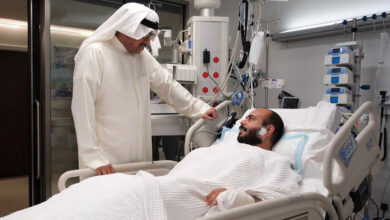
Kuwait is accelerating the integration of artificial intelligence, robotic surgery and digital healthcare into its medical system, with hospitals already demonstrating the ability to perform complex operations remotely, including procedures involving surgeons and patients in different hospitals and even different countries.
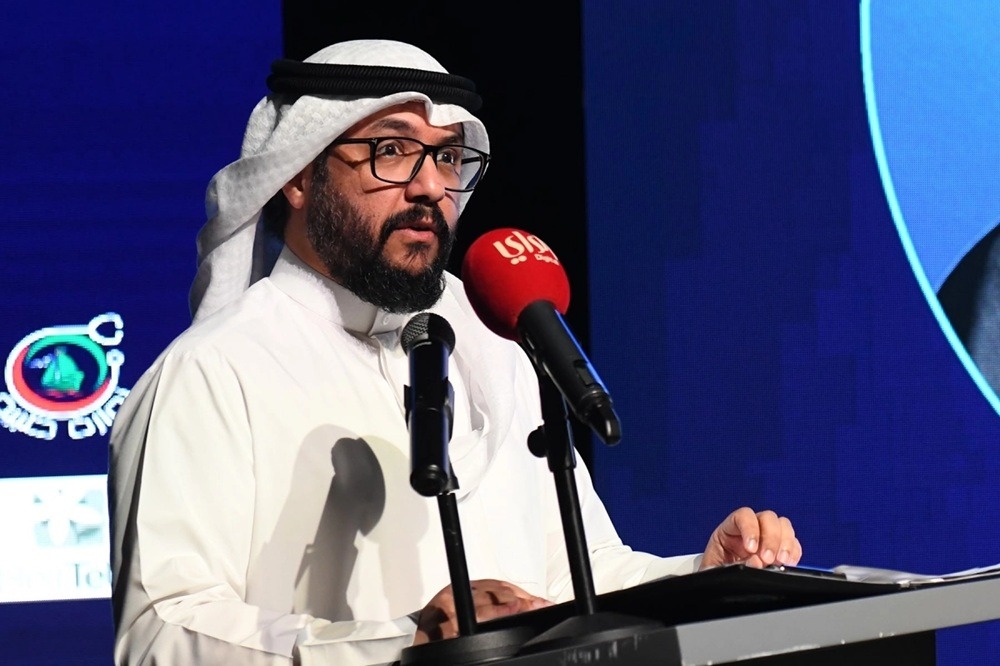
These developments were highlighted by Undersecretary of the Ministry of Health Sheikh Dr. Salman Khalifa Al-Sabah at the inauguration of the Kuwait Medical Summit (KMS 2026) on Thursday at the Sheikh Abdullah Al-Salem Cultural Centre.
Held under the slogan “A world of healthcare… in the heart of Kuwait”, the three-day summit, running from November 26 to 28, brings together doctors, academics, healthcare leaders and medical and dental students to examine the future of medicine and the scientific and technological advances reshaping patient care.
Addressing the opening ceremony, Al-Sabah said Kuwait’s hospitals had witnessed significant progress in robotic-assisted surgery and advanced remote surgical procedures. These include operations performed from Kuwait on patients abroad, procedures carried out in Kuwait by surgeons based overseas, and operations between local hospitals where the surgeon and patient are in separate facilities.
He said these experiences demonstrate the capabilities of Kuwait’s medical workforce, stronger coordination between healthcare institutions and the readiness of the country’s digital infrastructure to support advanced medical technologies.
Al-Sabah stressed that artificial intelligence, digital health and robotic surgery offer major opportunities to improve healthcare through more accurate diagnoses, greater precision in treatment and medical approaches tailored to individual patients. They can also expand access to specialist care, particularly through remote medical services.
He noted that Kuwait had established an early legislative framework for these developments through Law No. 70 of 2020, governing the practice of medicine and related professions, patients’ rights and healthcare facilities. The legislation provides for the use of artificial intelligence applications, advanced technologies and digital tools in delivering healthcare.
The adoption of a practical guide for using artificial intelligence language tools and large language models in medical practice further supports this direction. However, Al-Sabah stressed that patient confidentiality and medical safety must remain paramount, with clinical decisions and professional responsibility firmly in the hands of doctors.
He also commended Kuwait University medical students for initiating and helping organise the summit, bringing together expertise from different medical disciplines. He expressed hope that the event would generate new scientific partnerships and open further avenues for cooperation and research.
The summit provides a platform for discussing how emerging technologies, medical research and international expertise can strengthen Kuwait’s healthcare system and improve the quality, accessibility and efficiency of patient services.