‘Window to the World’ Connects Kuwait’s Youth with Global Leaders
Reconnaissance Research concludes its inaugural four-day programme, bringing together 20 young participants and eight distinguished leaders for candid conversations on diplomacy, business, aviation, journalism and personal growth.
The Times Kuwait Report
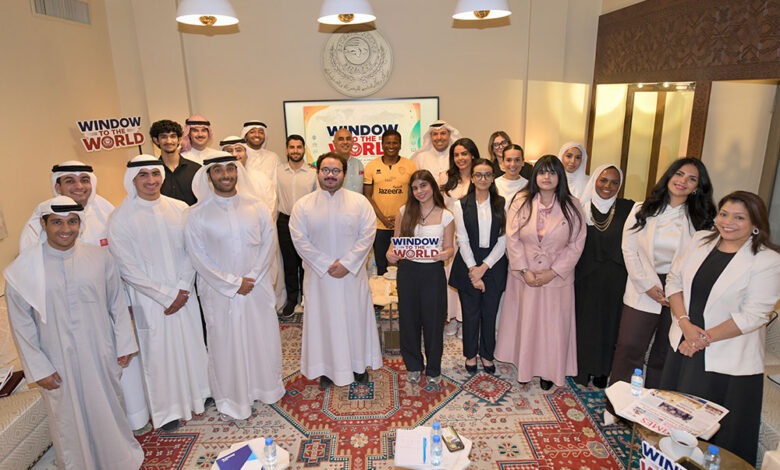
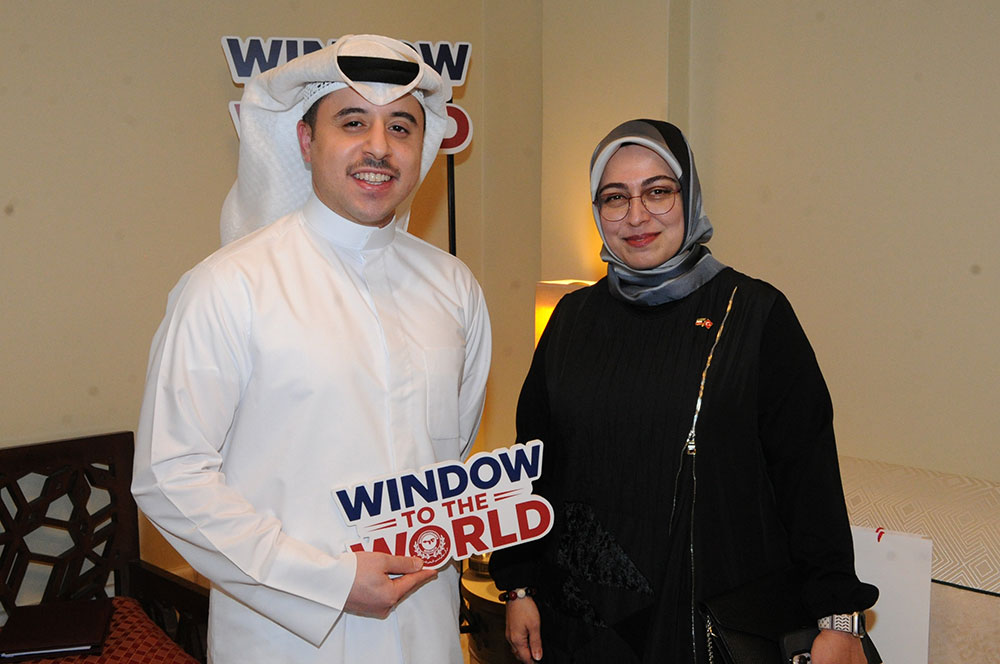
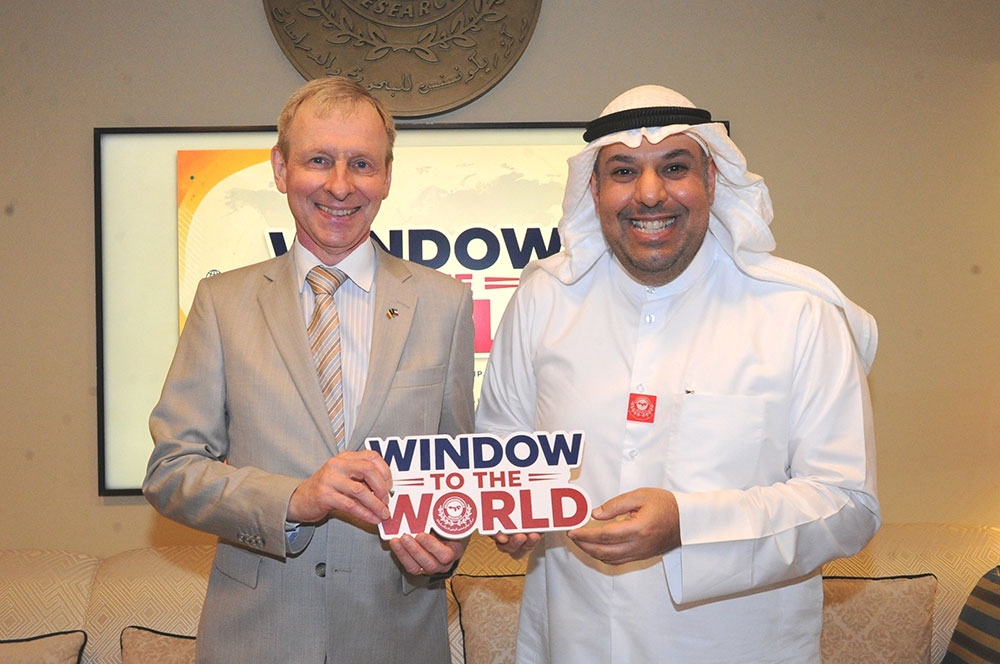
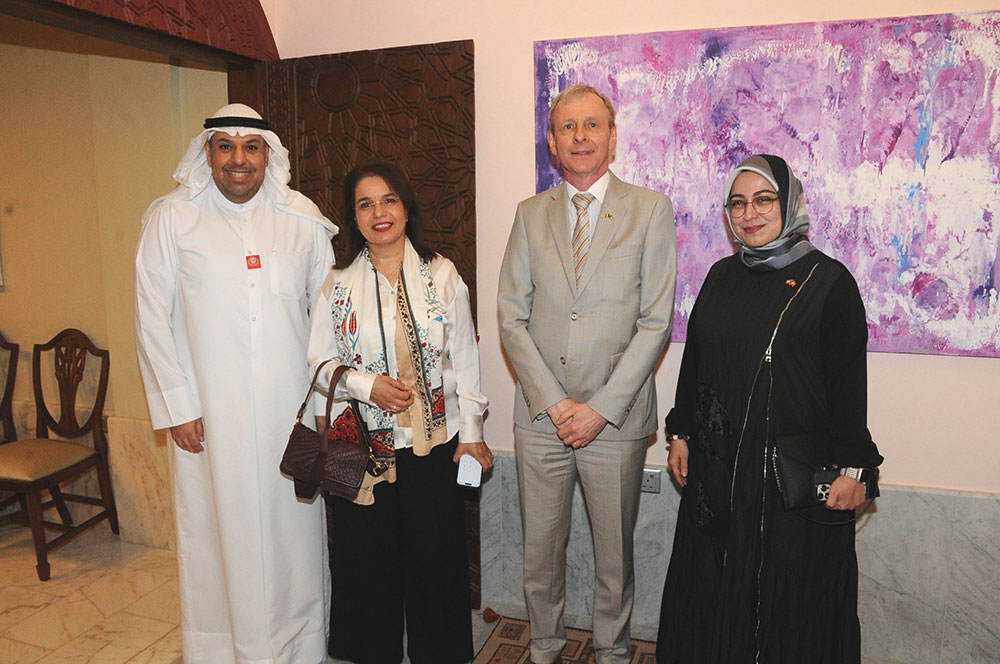
Reconnaissance Research concluded the inaugural edition of Window to the World, a four-day youth programme that brought 20 young participants into direct conversation with eight distinguished figures from diplomacy, business, aviation, journalism and the creative arts.
Held over four consecutive evenings at the headquarters of Reconnaissance Research, the programme was designed to give young people access to the personal and professional experiences behind accomplished careers. Rather than concentrating solely on achievements, speakers discussed the decisions, challenges, setbacks and values that shaped their respective journeys.
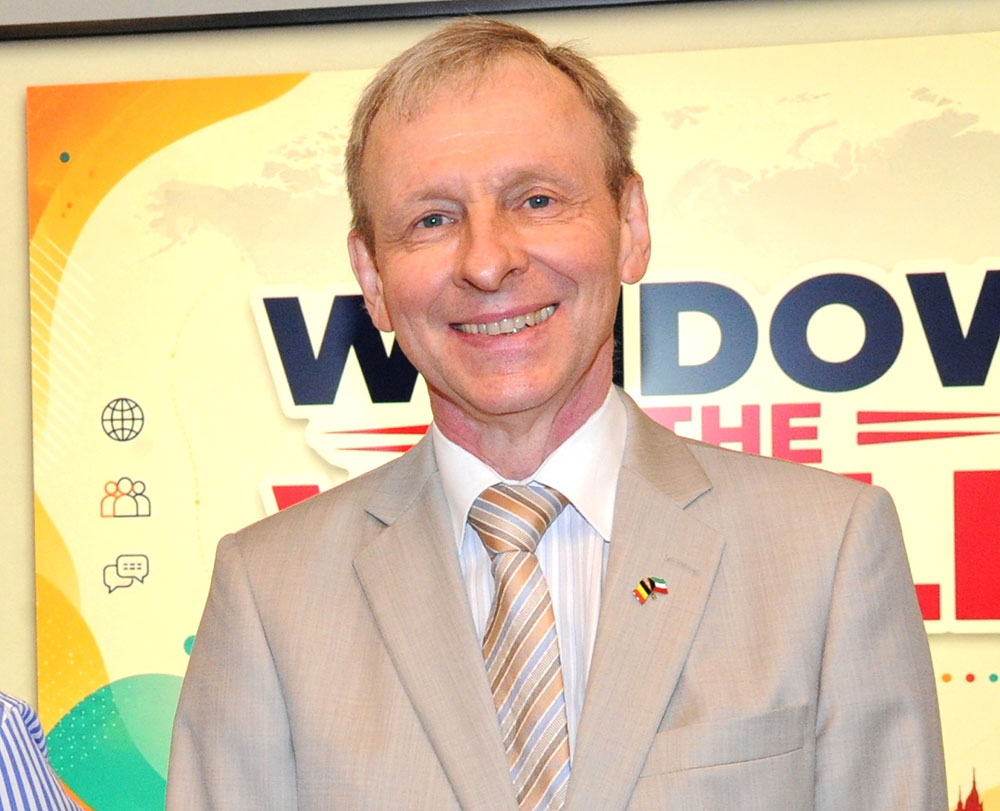
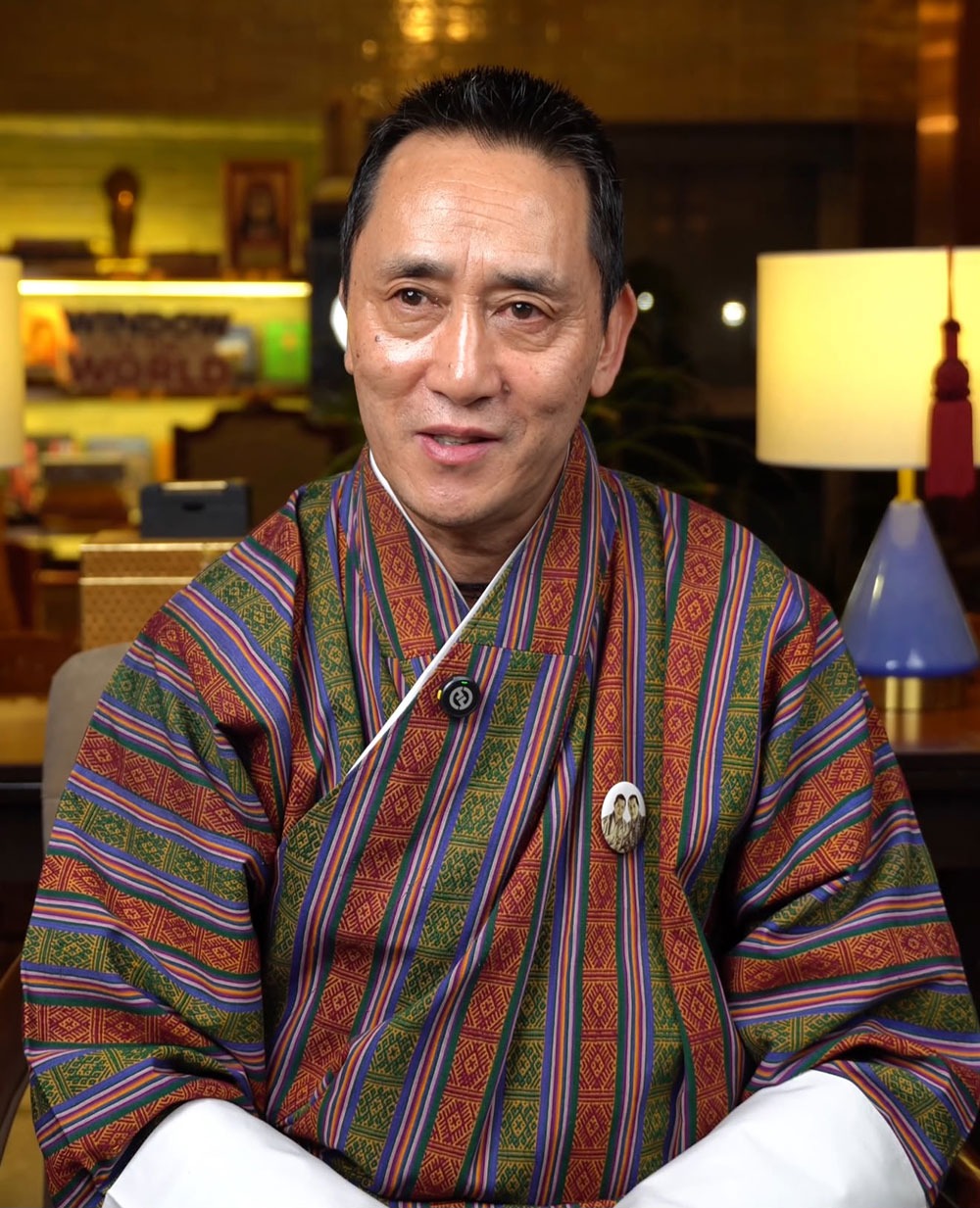
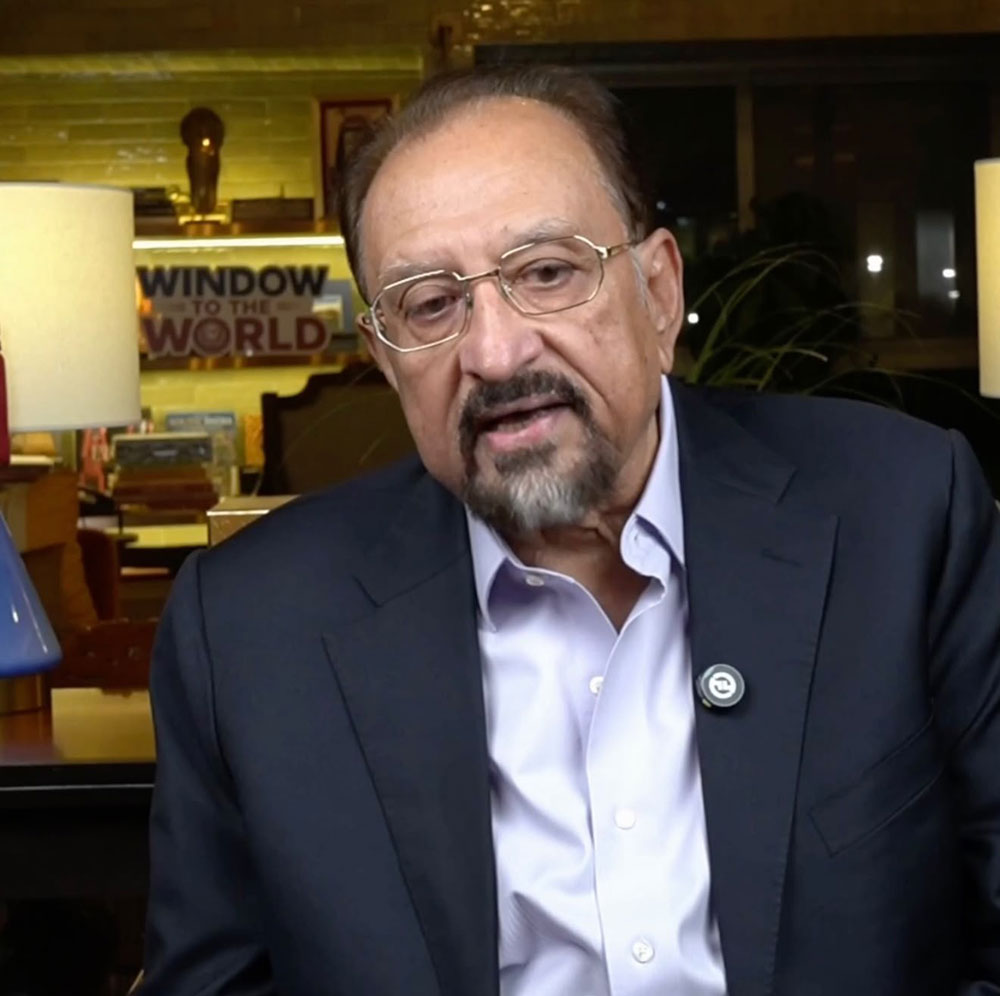
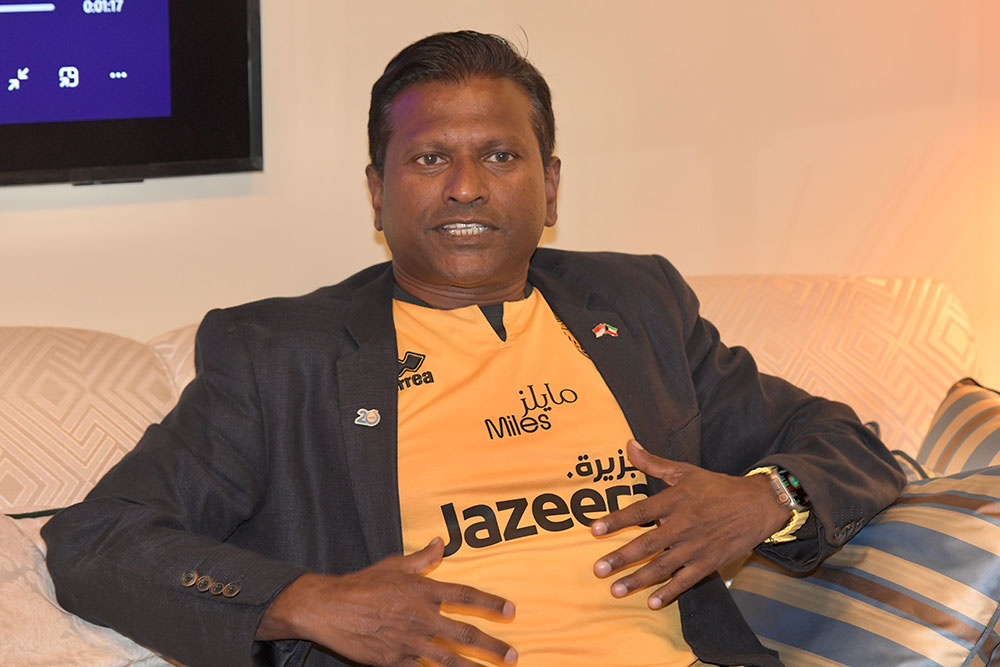
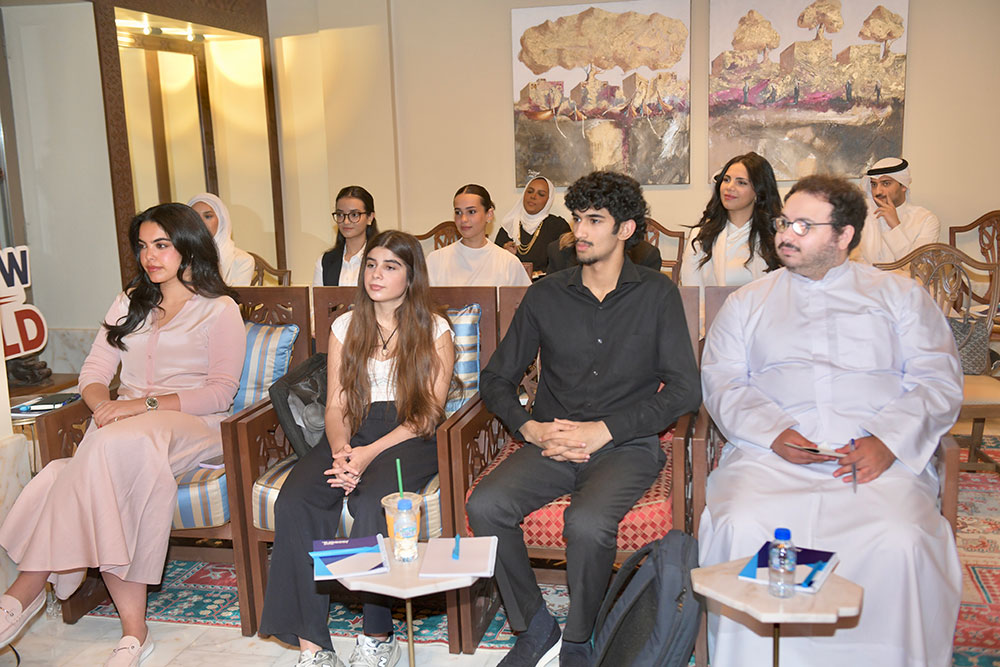
Organised under the theme “Young Minds. Global Impact.”, Window to the World brought together participants from different nationalities, academic disciplines and educational institutions for a series of candid, interactive conversations.
The programme was organised by Reconnaissance Research, an independent Kuwaiti think tank founded in 2019 to promote objective analysis, strategic dialogue and the exchange of knowledge. Through Window to the World, the centre sought to extend that mission to a younger generation by creating a space in which emerging talent could engage directly with senior diplomats, executives, entrepreneurs and media professionals.
Conversations Beyond the Conventional Lecture
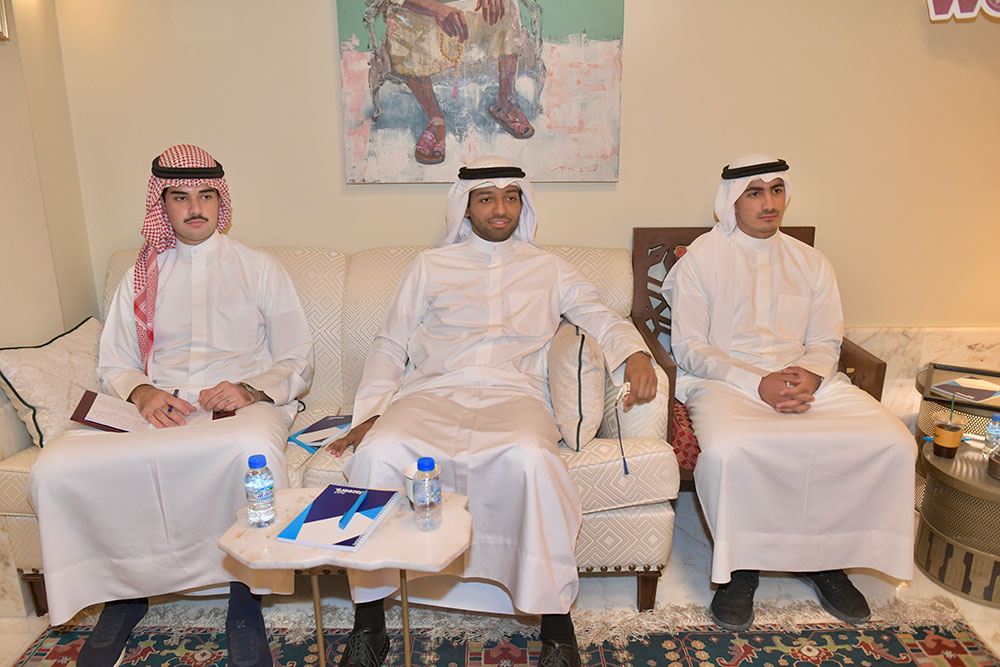
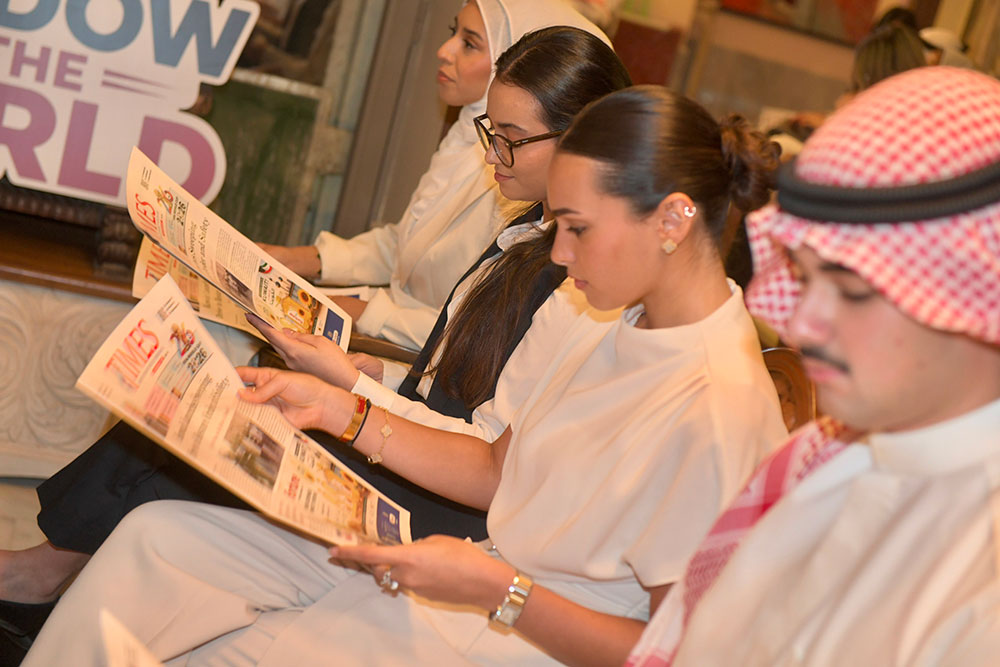
Unlike traditional conferences built around formal speeches and large audiences, Window to the World adopted an intimate, discussion-based format.
Guests participated in a dedicated 45-minute session. Participants were encouraged to ask questions and engage openly with the speakers.
The format allowed discussions to move beyond conventional career advice. Speakers reflected on moments of uncertainty, changing ambitions, difficult decisions and the lessons they learned.
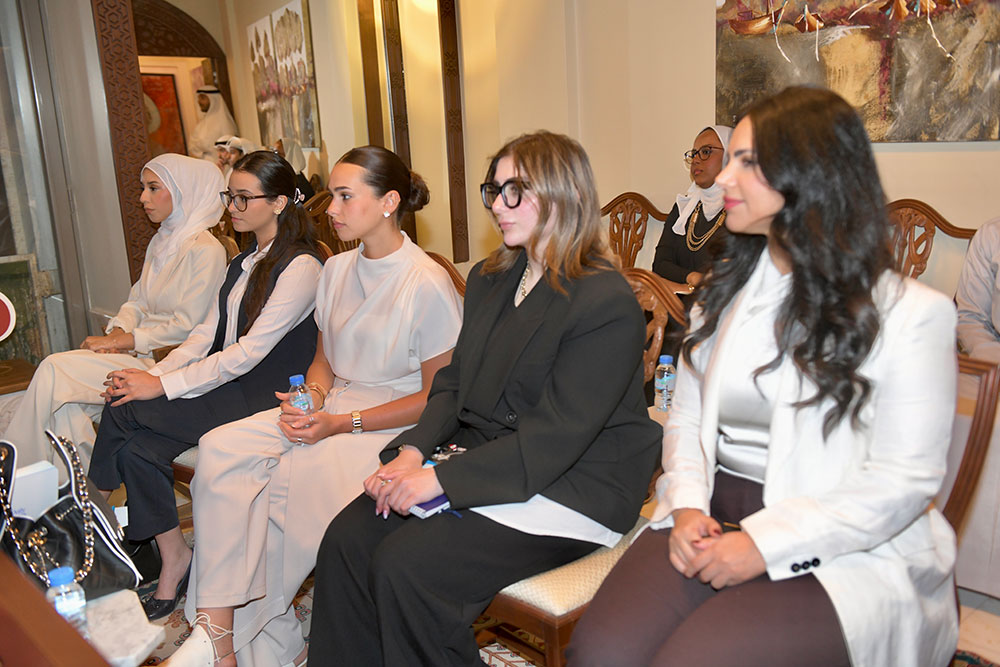
The programme’s 20 participants came from institutions including Babson College, the University of Edinburgh, the American University of Kuwait, Kuwait University, Taylor’s University, Coventry University, the University of Arizona, Amity University and University College London.
Their fields of study included international relations, political science, finance, engineering, law, business and nutrition. This range of academic and cultural backgrounds contributed to discussions shaped by different interests, experiences and perspectives.
Eight Speakers, Eight Distinctive Journeys
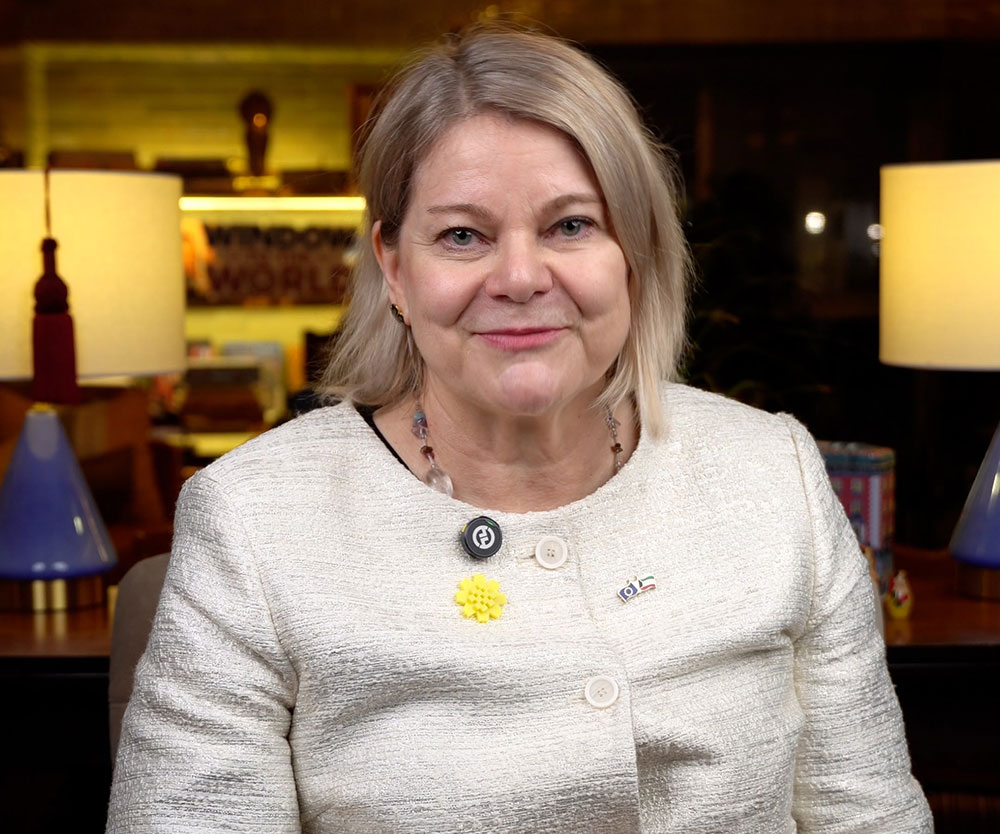
The programme opened with H.E. Anne Koistinen, Ambassador of the European Union to the State of Kuwait, who introduced participants to the realities of a career in international diplomacy.
The conversation explored multilateral cooperation, the role of dialogue in addressing shared global challenges and the professional choices young people face when considering careers in diplomacy and international affairs. She also engaged closely with participants’ thoughtful questions about their own educational and professional journeys.
H.E. Phub Dorji, Ambassador of the Kingdom of Bhutan to the State of Kuwait, offered participants a rare introduction to the Kingdom of Bhutan, its national identity and its distinctive approach to development.
He discussed Bhutan’s philosophy of Gross National Happiness, which considers social well-being, cultural preservation and environmental sustainability alongside economic growth. He also spoke about the ambitious Gelephu Mindfulness City project, explaining Bhutan’s vision for creating a new economic centre grounded in sustainability, mindfulness and the country’s cultural values.
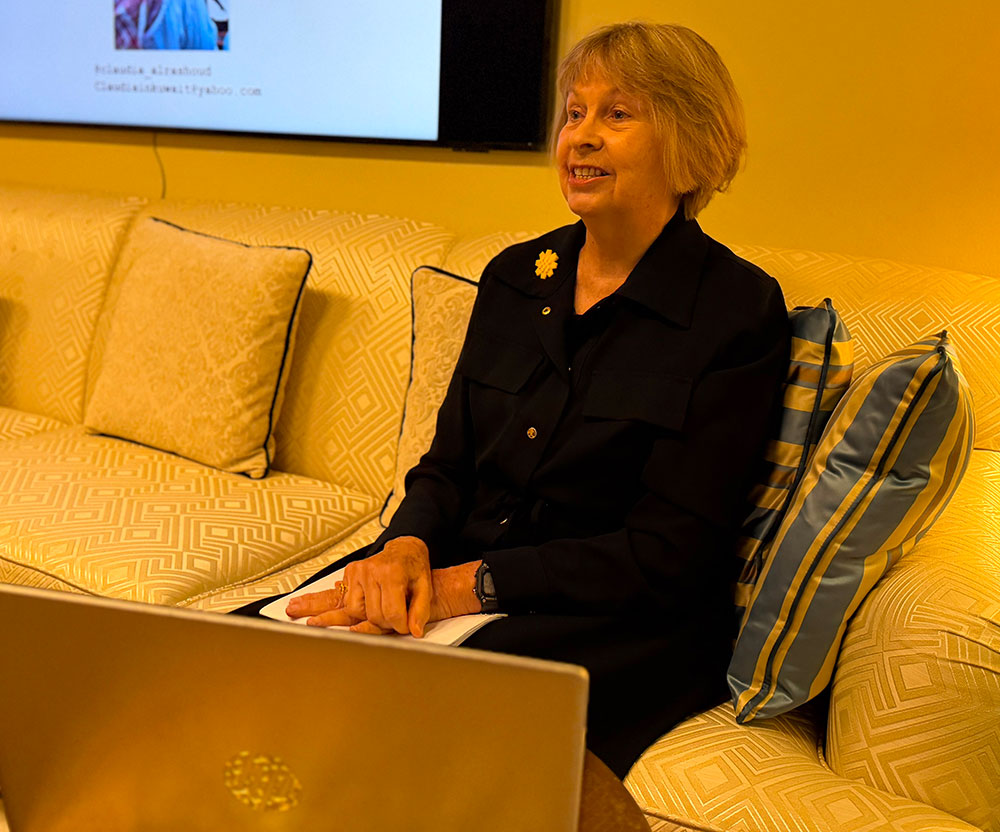
Participants also welcomed Claudia Farkas Al Rashoud, photojournalist and visual chronicler of Kuwait, who took them through several decades of the country’s history using photographs and personal stories.
Drawing on her extensive archive and her work on KUWAIT: Before and After the Storm, she reflected on the transformation of Kuwait, the experience of documenting the country before and after the Iraqi invasion and the power of photography to preserve memories that might otherwise be lost. Her session demonstrated that photographs are not merely images, but historical records capable of capturing the character of a society and the experiences of its people.
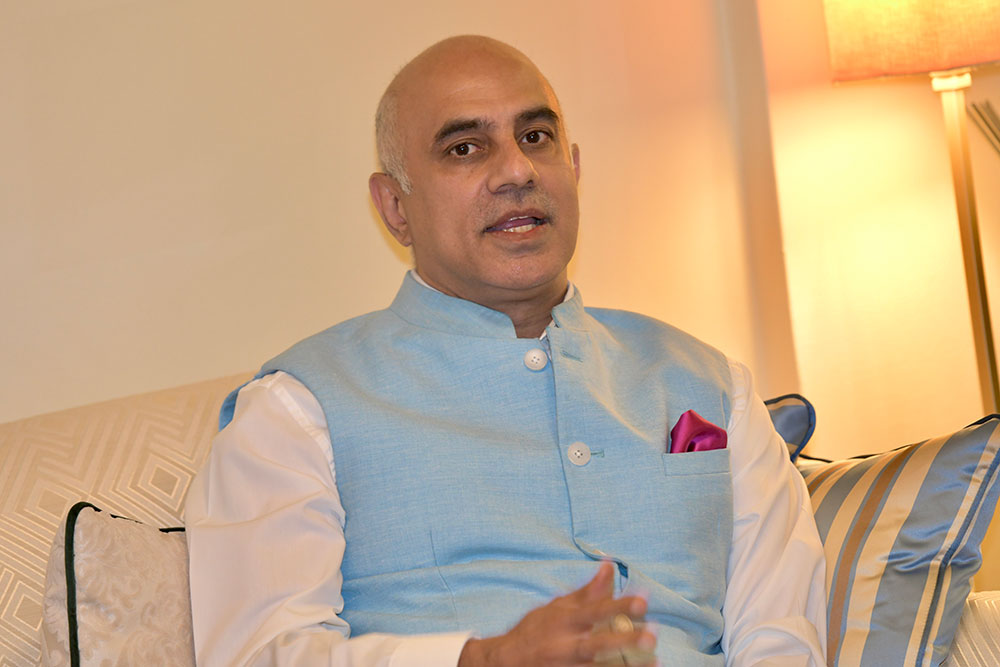
Dhiraj Oberoi, Co-founder of Kuwait Indo Trading Company (KITCO), shared the story of building one of Kuwait’s most recognisable home-grown food companies after establishing the business in 1962. Rather than presenting entrepreneurship as a straightforward path to success, he spoke candidly about rejection, setbacks and the many challenges encountered along the way. His session became a lesson in resilience, perseverance and the determination to continue moving forward even when circumstances appear discouraging.
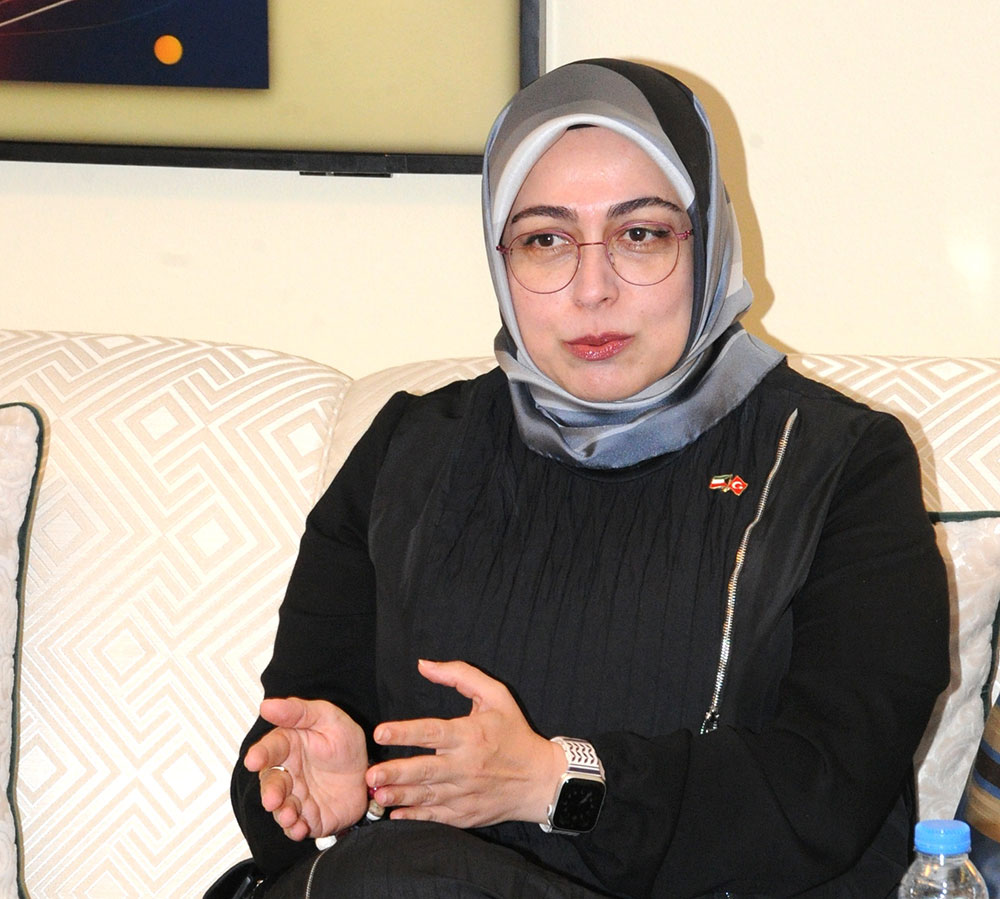
H.E. Tuba Nur Sönmez, Ambassador of the Republic of Türkiye to the State of Kuwait, reflected openly on the experiences and relationships that shaped her diplomatic journey.
As she approached the conclusion of her mission in Kuwait, she spoke warmly about the country, the personal connections she had developed and the importance of approaching diplomacy through genuine human engagement. Her candid reflections gave participants a more personal understanding of diplomatic service and of the lasting bonds that can develop between representatives and the societies in which they serve.
H.E. Christian Dooms, Ambassador of the Kingdom of Belgium to the State of Kuwait, surprised participants by explaining that he had not followed a conventional path into diplomacy. Before entering foreign affairs in his early thirties, he had worked in several different professions and explored a variety of professional interests.
His honest account challenged the assumption that young people must determine their entire future at an early age. It reminded participants that careers can evolve, that changing direction is not a failure and that it is never too late to pursue work that genuinely inspires them.
Barathan Pasupathi, Chief Executive Officer of Jazeera Airways, brought participants into the world of aviation and executive leadership. Drawing on his professional journey across the airline industry, he discussed the demands of leading a major organisation, making decisions in a fast-moving commercial environment and remaining adaptable when circumstances change. The conversation also gave participants insight into the discipline, personal responsibility and resilience required to progress from professional ambition to senior leadership.
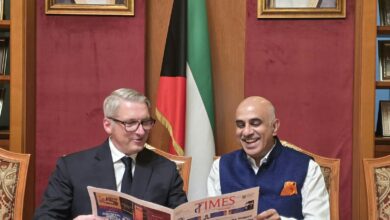
The programme concluded with Reaven D’Souza, Executive Managing Editor of The Times Kuwait, who shared reflections from his long career in journalism and media in Kuwait.
He discussed the evolving nature of the media industry, the responsibility involved in informing the public and the importance of maintaining credibility in an environment increasingly shaped by speed, social media and competing sources of information. His session also highlighted the value of curiosity, professional judgement and consistency in building a lasting career in journalism.
Learning from Setbacks as Well as Success
Although the speakers represented different countries, industries and professions, several common themes emerged throughout the programme.
Participants heard that successful careers are rarely linear and that professional growth often involves uncertainty, rejection, changing direction and learning from failure.
The speakers did not present achievement as an effortless process. Instead, they discussed the discipline, curiosity, adaptability and perseverance required to continue moving forward. These candid accounts helped participants look beyond job titles and public profiles to understand the personal decisions and sustained effort behind them.
An International Learning Environment
The multinational composition of the cohort was an important part of the inclusive programme. Participants from more than eight nationalities contributed different cultural viewpoints and educational experiences to the discussions.
Learning therefore extended beyond the formal sessions. Participants exchanged views with one another, encountered unfamiliar perspectives and developed connections with peers whose academic and personal backgrounds differed from their own.
For several members of the cohort, the programme was their first opportunity to converse directly with ambassadors, chief executives and senior media professionals in an informal setting where questions and dialogue were actively encouraged.
A Platform for Future Dialogue
Across its eight sessions, Window to the World created a space for intellectual curiosity, respectful disagreement and the exchange of ideas across professions, cultures and generations. For the 20 participants, the programme provided more than an introduction to eight distinguished careers. It offered a closer understanding of the choices, challenges and personal qualities that influence professional and public life.
For Reconnaissance Research, the initiative represents a further extension of its commitment to dialogue and knowledge exchange. Following the conclusion of the inaugural programme, the centre intends to continue developing Window to the World as a platform through which young people in Kuwait can meet experienced leaders, broaden their perspectives and engage more confidently with the world around them.