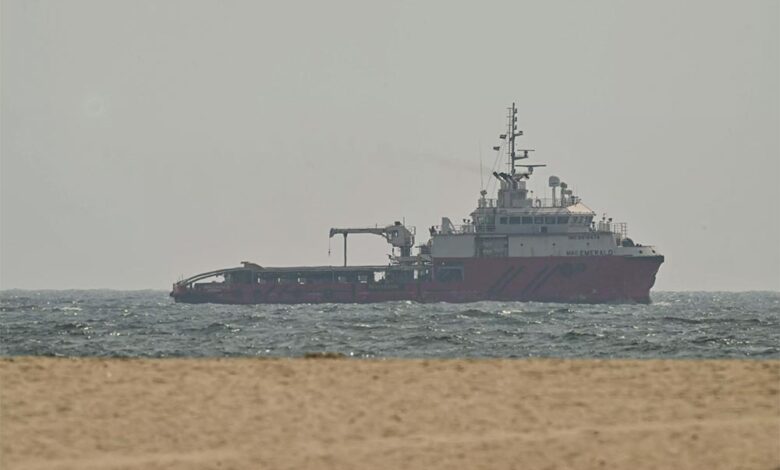
The United States has intensified its maritime pressure on Iran, with US Central Command (CENTCOM) saying that American forces have diverted 82 commercial vessels since Washington resumed its naval blockade of Iranian ports in mid-July.
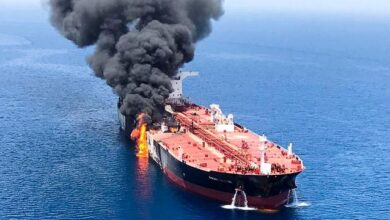
According to a CENTCOM statement, US forces had, as of August 28, diverted 82 commercial vessels, disabled three vessels and inspected two others as part of what Washington describes as efforts to enforce the embargo on Iran.
CENTCOM also said US forces had permitted at least 40 vessels to pass on humanitarian grounds, while stressing that the broader naval blockade remains firmly in place. Admiral Brad Cooper, commander of CENTCOM, said US forces had prevented Iran from exporting oil by sea since the resumption of the embargo. He described the blockade as “effective and strong,” arguing that it was achieving Washington’s stated objectives.
Cooper further claimed that no vessel had entered or departed an Iranian port without authorization from US forces, with exceptions limited to humanitarian cases.
The developments mark a significant escalation in Washington’s economic and strategic pressure on Tehran. By targeting maritime trade and restricting Iranian oil exports, the United States is seeking to increase the economic cost on Iran while demonstrating its ability to enforce sanctions beyond the financial system and into international shipping lanes.
The blockade, however, also raises broader questions over the impact of the US campaign on global shipping, energy markets and regional security, particularly as tensions between Washington and Tehran remain high.
The latest CENTCOM figures underscore the increasingly confrontational nature of US-Iran relations, with control over maritime access emerging as a key component of Washington’s pressure campaign against Tehran.