Observers view Sunday’s meeting as an important test of whether diplomacy can ease tensions at a time when conflicts in Lebanon and wider regional rivalries continue to threaten stability across the Middle East.
Senior US and Iranian officials are meeting in Switzerland on Sunday in a renewed diplomatic effort to address tensions over Iran’s nuclear program and the fragile ceasefire in Lebanon, as concerns grow over regional stability and global energy supplies.
Delegations from the United States and Iran were expected to hold talks in Switzerland on Sunday aimed at advancing negotiations on Tehran’s nuclear program and addressing mounting tensions linked to the conflict in Lebanon and security concerns in the Gulf region.
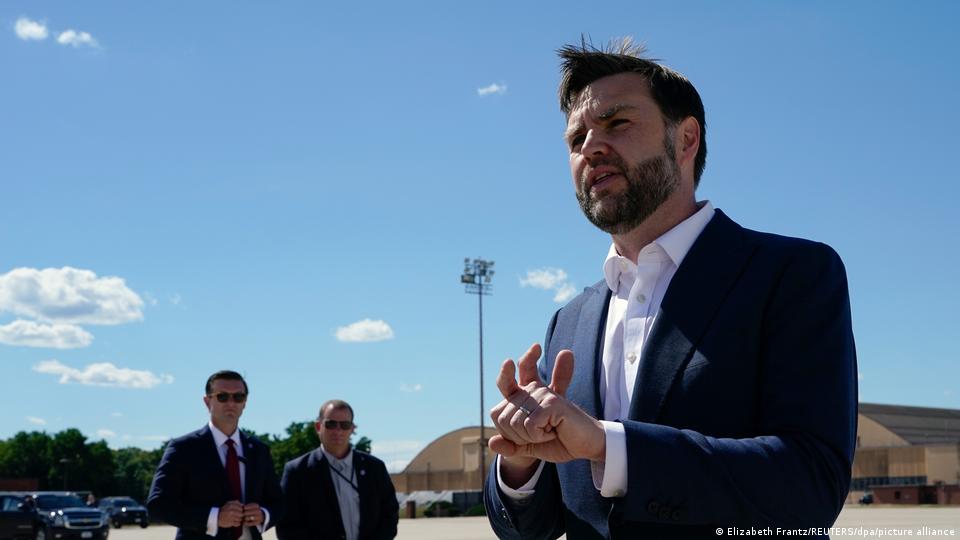
US Vice President JD Vance arrived in Switzerland early Sunday after departing Washington a day earlier, while Iran’s delegation, led by Parliamentary Speaker Mohammad Bagher Qalibaf and including Foreign Minister Abbas Araghchi, was already in the country ahead of the talks.
Speaking before his departure, Vance said he hoped discussions would lead to progress on two key issues.
“I think we’re going to hopefully make progress on the nuclear issue … make progress on the Lebanon ceasefire issue. Those are the two big things that I think we’re focused on,” he told reporters at Joint Base Andrews.
The meeting comes amid heightened regional tensions following continued hostilities involving Israel and Hezbollah. Both sides have accused each other of violating the latest ceasefire agreement, raising fears of a broader escalation along the Israel-Lebanon border.
The talks are also taking place against the backdrop of concerns surrounding the Strait of Hormuz, a critical global shipping route.
Tehran has signaled plans to close the waterway in response to ongoing Israeli military actions in Lebanon, although Washington has dismissed the prospect, saying Iran does not control the strategic passage and that maritime traffic continues to flow normally.
Pakistan, which has played an increasingly active diplomatic role in recent months, is participating in the discussions as a key intermediary.
Pakistani Prime Minister Shehbaz Sharif traveled to Switzerland to join the negotiations and hold bilateral meetings with representatives from Iran, the United States, Qatar and Switzerland, dw.com reports.
Pakistan’s Foreign Ministry said the talks would focus on implementing the Islamabad Memorandum of Understanding, a framework intended to support dialogue and reduce regional tensions. Islamabad said it remains committed to promoting a peaceful and durable resolution to ongoing conflicts in the Middle East.
The latest diplomatic effort follows a temporary setback after Iran initially withdrew from the planned talks amid continuing Israeli military operations before agreeing to resume participation.
Observers view Sunday’s meeting as an important test of whether diplomacy can ease tensions at a time when conflicts in Lebanon and wider regional rivalries continue to threaten stability across the Middle East.