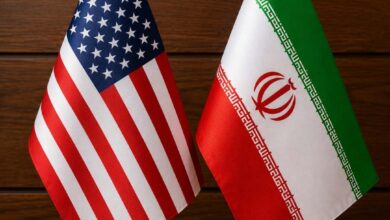
- US-Iran peace talks appear close to a breakthrough as hardliners protest against Foreign Minister Abbas Araghchi in Mashhad. Trump says a deal could be signed soon, with the Strait of Hormuz at the center of negotiations.
As the United States and Iran move closer to a possible peace agreement aimed at ending months of conflict, domestic opposition has emerged within Iran, with hardline groups staging protests against Foreign Minister Abbas Araghchi and accusing him of making excessive concessions to Washington.
Demonstrators gathered outside the Foreign Ministry’s representative office in Mashhad on Saturday, voicing strong opposition to the proposed agreement. Videos circulated by Iranian media showed protesters carrying red and black flags and chanting slogans against Araghchi, whom they blame for pursuing a diplomatic settlement they believe undermines Iran’s strategic interests.
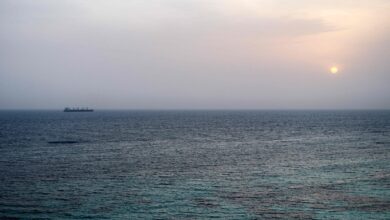
The protests come at a crucial moment in negotiations, with US President Donald Trump stating that a peace agreement could be signed as early as Sunday. The proposed accord is expected to address key issues including the reopening of the Strait of Hormuz, maritime security, sanctions relief, and the future of Iran’s nuclear program.
The demonstrations in Mashhad reflected growing divisions within Iran over the proposed deal. Protesters reportedly accused Araghchi of compromising the country’s leverage in exchange for an agreement with the United States.
Critics argue that any arrangement reducing Iran’s influence over the Strait of Hormuz would weaken one of Tehran’s most significant strategic assets.
President Trump has repeatedly expressed confidence that a deal is within reach. In a statement posted on social media, he said the agreement could be finalized on Sunday and claimed it would ensure Iran does not acquire a nuclear weapon.
The US president also said the Strait of Hormuz would reopen to international shipping immediately after the agreement takes effect, helping restore stability to global energy markets disrupted by the conflict.
Despite Trump’s optimism, no formal signing ceremony has yet appeared on the White House schedule, leaving questions about the timing and final details of the agreement.
The future administration and security of the Strait of Hormuz remain central to ongoing negotiations.
Speaking to Iranian state media, Araghchi suggested that any final agreement would significantly alter how the strategic waterway is managed. He described the strait as one of Iran’s primary instruments of deterrence and indicated that Tehran intends to maintain an influential role in its future governance.
Meanwhile, the United States and its international partners are discussing plans to clear mines from the waterway and restore normal commercial traffic once hostilities end.
The issue is expected to feature prominently during discussions at the upcoming G7 Summit, where Trump is scheduled to meet regional leaders and allies involved in efforts to stabilize the Gulf.
The potential agreement has generated mixed reactions internationally.